NEWS YOU CAN USE HIV/AIDS MARCH 2002
Item

- Title
- NEWS YOU CAN USE HIV/AIDS MARCH 2002
- extracted text
-
ta
r
Bn
S7p® CO.K.I VJ ®e-HIV
■“;
domestic market for u . ’ v r :X7\.vV.
_.iritr. .on the basis of sales'X \ - -^^ s$
per nnnurn iit/
‘.’-'?'
i ^S"OVo« Can
r^w8®0^fei^KO^8fc- H 0
f^at^aV^-lCimefddrt ■ •
jh£’^r&an&t'U'^sdfJrtwiKr $? ‘ '** ’
/AIDS-News Aou CanUfe.-S®
■®&n-. numbers can? be gleanX
■•• .
«i- --' sourcos.-But with the inf. .%}
•??;/2'; ’.■'
Jgg’ die lnfecdon, this marH j^x.’?-\. '-• ■■ 5 '•; '
Mj>.' 200 per'cent per annurf '
...••*■<>;?**
c ••• .“Most-, of the..drug? .
•
■ •$ ”’t,’ PfC-lB95 patents’. The?
’'
'-/z?-:?-'c•’■'.• a ■ ;.;:•.
MMh :M*^«***<M
all mbdlcatiunlsanl-/
l>yCy»l V>> JQ,\A**t^«
* < ~7 > 9 *J_ b •• ’ ' /•’
■pWv i "
IWMfe....
®iRz<m0c^^i;dWli&
artu cllrilcaI h ials
aX
' ';^•^SOtjadonViidUn g plyCi'j,6n tKe ;p
•
SlMofw Us
|iS' • '
wojking. only 01/:
" fix>
'- '
■
r. n r V n n K*nwi tA*cij
•
'
'• J •'<^_ '"
'■
0^7^
<?k:
'/Anas-
lews
■Choice denied
*vH tlr the N rgerlah an d 21 hr
next
Lamtvir, U
r >< ?••'
“r-
• '/
’
_
/^feeSHiy/AII
H5r-M3.P^;.&
W YZ-P-f
-.
fl». OMqSiiwSLx^nsgM^f.
isgk*i-- •'
Positive Thinking
iiattei’ of SMwwaL 2t
optionshave wide.™!and |8®. ■
Gender Bias
otiCa
®tens cj-ah switch tc.a StM*-2*^
?' •■-
®« >vwM«ma»d.-fhre opao^S
sent of. Hrv^nd .pions id ofiei
hj^onti fn dns-ftnandaVyunr: (,
, . •; .-<■-. tm^?--;. • ^v^/J^s^SaS^xW
■■ ■ .' A^kddous includoZ.idavcx,
.
WBTnUseWW i Cai
Wt: lUibh^l/'
cr.don’bfUT
if
|nus.
J
BEm.-
/AIDS-News You Can Use-HIV/AJOS-HIV/AIDS News Yoff Can Us
New* You Can Use - HIV,'AIDS
(NYCU) is a specially formulated
month!} mediascan on issues related to
HIV/AIDS compiled to meet the
specific information needs of NGOs
Directed to meet the urgent need for
As a part of a regional initiative to
inhwnutmn and awareness building on
build awareness on HIV/AIDS,
HIV/AIDS. this special publication
several
efforts
have
been
presents a compilation of news clippings
undertaken by PLAN International
on the issue We hojie that the contents
(Bangalore Zone) in partnership
will provide readers with relevant.
with Madhyam. Dissemination of
useful and topical information to
information to NGOs is a key
facilitate grassnxx w ork on prevention.
component of this campaign This
care and networking
publication is aimed to strengthen
The publication includes a selection of
ncwntems/features/articles/eduorials/
letters
from
leading
national
newepapers Each ne wsilcm carries tlie
ongoing
efforts
through
information processes as well as
serve as a regular reminder of the
urgency Readdressing the issue
This publication is supported by
placed under appropr late categories for
PLAN
easy reference
Madhyam
International
Team
Shannon Dot Gupta
Jtji Abraham
Shohha C
PLAN
SureUut P.K.
INTERS ATM MS Al.
published by Communication for
Development and Learning.
Bangalore
compiled from
X The Times of India
X Hindustan Times
X The Hindu
X The Statesman
name and date of publication and is
New s You Can Use is compiled and
This edition has been
and
X The Pioneer
X The New Indian Express
X Deccan Herald
X Deccan Chronicle
X The Economic Times
X The Asian Age
MADHYAM
Communication for
Development and Learning
HIA. 7th Cross. 17th Mun. Koramangala
M Bfock. Bangalore • 560095
Ph 10X015503481.Telefax 5524192
Email cdlhlriJbgl vsnl net in
URL WWW cdtblr.org
X
Behind the edition
Dear Readers
This is a special edition for all of us at CDL. When we started work on this
publication 12 months ago, it was with a fair amount of trepidation and yes,
excitement
The HIV/AIDS virus was increasing its penetration into the populace, and with
no cure in sight, this was close to assuming the status of an epidemic.
Prevention, as we all were aware, was the only cure. Sharing, ensuring access
to and making use of information emerged as both essential and a priority
need.
The choice of options for raising awareness were wide-ranging. And while we
could have added to the media mix that was available, we were committed to
the need to present information that was both factual and topical. The role of
the print media emerged as an essential arm of this scenario. Further, we
were also aware that as important as making intelligent and planned use of the
media, was the importance of disseminating information as widely as possible.
Having compiled and published News You Can Use for over four years, this
was an opportune time for us at CDL, to explore the possibility of compiling a
more focused edition. A special series of NYCU on HIV/AIDS was therefore,
the outcome of an extended thought process.
The objective of this publication was to inform grassroot level NGOs of
developments and news on issues related to HIV/AIDS on a monthly basis.
Drawing primarily from the newspapers, the contents of this publication present
a compilation of articles, features, analysis, stories, news reports and even
advertisements on the issue. The contents were reproduced exactly in the
same form as in which they appeared in the original publication. However, in
order to retain the readership value of the contents, we avoided the inclusion of
information that were primarily medical or research-oriented in nature.
In the November 01 edition, we included a signature campaign and a case
study on the issue of trend and debate on sex-determination tests. A feedback
assessment was made at the close of six months of publication. The response
varied - but each respondent reiterated the desire to be retained in our mailing
list. A significant number even offered to pay towards this effort. For the interest
of our readers, we have included a brief report on the feedback analysis.
•
‘Many newborns infected with HIV
from mothers’
HIV tranma trail dogs Howrah housewife
13 Children get AIDS HIV infection
HIV nestles in wombs of Guntur moms
‘AIDS free’ certificates for foreigners under
consideration
Centre to make AIDS-free certificate must
AIDS certificates for foreigners mooted
Sex workers set for overseas sojourn
‘Police raids can increase AIDS risk’
Maharasthra govt to come down harshly
on sex...
Fertility in India
Victims of Tradition
Condom syrup
‘Care for Aids patients should be top
priority’
Emergency contraception to be
introduced soon
Woman files complaint against lab
AIDS in student curriculum soon
HC to rescue of HIV positive man
PIL for AIDS research
HIV patient, ends life
‘Micro-awareness groups can stall
spread of Aids’
23
25
25
27
28
29
30
31
32
33
33
36
36
37
39
40
41
43
43
43
46
Programme
UN Foundation Announces Partnership with
Netherlands...
24
Fellowships in media exchange
24
$2.8 m. grant for AIDS awareness
programmes
‘Make AIDS control a national programme’
31
32
Question & Answer
Combating AIDS: State needs to rethink
strategy
Healthy Initiative
12
47
Research
It’s in the hormones honey!
Caffeine doesn’t impact growth of foetus
HPV risk at first sexual intercourse
I IT develops 15-yr birth pill
Male contraception only a needle away
New conception technique
Breast-cancer: screening women
cuts toll by a fifth
06
18
29
35
37
37
39
Study
One of 10 people in world is 60 plus: UN
Breast cancer culprit not that guilty in South
India: Study
Good news: Population growth is now
slowing down
Population boom going bust: Study
’Spread of AIDS not getting out of hand’
‘Punjab’s gender equality graph varies’
Pollution blamed for infertility
AIDS on the decline: survey
Female infanticide finds new villain in
modernisation
05
19
31
32
34
34
36
39
41
What our readers say
.....
At the close of six months our publication, a questionnaire and feedback form was
included to assess reader feedback. A total of 18 questions were framed to assess a
reader response on the coverage of the issue in the general media and the relevance
and value of this publication in the work.
1000 copies were mailed to our regular mailing list. Another 500 copies were
distributed among the participants of the 3rd International Conference on AIDS India,
Chennai (1-12-01 to 5-12-01).
A total of 82 completed forms were received from various backgrounds including
medical practitioners, paramedics, students, research scholars, NGOs and social
activists in the HIV/AIDS field.
The analysis of the feedback from the readers is provided below:
Analysis report of NYCU - HIV/AIDS
The feedback form has been designed to understand the following:
► General media coverage : The response of the readers on the existing coverage of
the issue HIV/AIDS in the newspapers.
► Value of NYCU to the reader : Assess the news value and importance of the
publication in providing information to the target population and its value to the
readers.
► USP (Unique Selling Proposition) of the publication : Understand the user value
and relevance of the compilation of newsclippings, format, design and presentation'.
GENERAL MEDIA COVERAGE
Figure 1.1
Is the media coverage adequate?
i
I
II
w44-*-*
543’
?422
411
Q. n
2 40 •
□Yes
□ No
*3 39 •d 38 ; 2 37 •
.
1
Respondents
NYCU-HIV/AIDS
1
Is the media coverage adequate?
52.4% of the respondents felt that general media coverage on HIV/AIDS in the media via
television, radio and newspapers is inadequate. Hence, there is a strong need for an
increased coverage in the media. This suggests that, given the importance of the issue
of HIV/AIDS, the general media (radio, television, newspapers) needs to increase the
coverage on the issue.
Use of information provided by NYCU
Most respondents used the information compiled in NYCU-HIV/AIDS as an information
update. An inference can be drawn to state the usefulness of the compilation, since it
provides timely update of information to people working with the issue. This information
provided is found useful for in-depth studies or research, which in turn will provides a
base for advocacy. Documentation was an important need met from this compilation as
well as networking. Copies of the pages have been made and circulated at other
groups. One respondent also stated that they had translated news from this publication
for use in their programmes. Thus the different kinds of usage of the compiled news
clippings provided in the publication can be observed as follows:
Figure 2.1
What do you use this information for?
New Issues that should be included:
A question to assess the kind of issues addressed in the coverage of this issue indicated
that news coverage needs to be given to
NYCU-HIV/AIDS
New issues that could be included
□ Women and child care
□ Interventions
□ Management
□ Awareness
□ Reproductive health
□ Facts and figures
Response
Figure 2.2
Are there any other issues that can be included?
Although most respondents were satisfied with the range of information currently in
NYCU-HIV/AIDS, some respondents indicated need for more news on women and child
health care, reproductive health, relevant facts and figures, etc; Hence issues related to
women and children requires more attention. Since NYCU is sent to groups and
individuals working in the grassroot level, inclusion of new methods of intervention and
community activities would also be useful to the readers.
USP (Unique Selling Proposition) of NYCU - HIV/AIDS
The USP indicates a publication that meets a very focused need for a niche sector and
makes it different from other publications on the issue.
Response to whether the respondents have come across
a news digest exclusively on HIV/AIDS
i
■
I
i
j
I
I
!
I
c 80
0)
c 60
°
S’ 40
•□Yes
‘□No
<u
o 20
0
Response
Figure 3.1
Have you come across a news digest on AIDS?
NYCU-HIV/AIDS
0 3
The fact that nearly 72% of the respondents have not come across any news digest wit
exclusive focus on HIV/AIDS, itself speaks volumes about the USP and importance of
this publication.
Rate the Use/News value of NYCU-HIV/AIDS
Figure 3.2
Use/News value of NYCU - HIV/AIDS
Response
The use/news value has been rated as ‘Good’ by the majority of respondents indicating
that the initiative is useful. The compilation of news has been of use to most people in
the areas of work. All respondents gave their addresses and wanted to be retained on
the mailing list of NYCU for future editions. Several indicated that this was precisely the
kind of news and information that was needed in their work. Some also stated this as a
handy reference.
4
NYCU-HIV/AIDS
One of 10 people in world
is 60 plus: UN
By Gerald Nadler
United Nations, Feb. 28: Today,
one of every 10 people in the
world is 60 or older, and by
2050 it will be one in five,
according to a UN study on
global population and ageing
made public on Thursday.
The older population Is itself
agcingt and currently the oldest
of the old — the group 80 or
older — is the fastest-growing of
the elderly, making up 12 per
cent of those over 60, the study
said.
By 2050,21 per cent of the
elderly will be 80 or over, and
the number of centenarians —
100 or older — will increase 15fold from 210,000 in 2002 to 3.2
million in 2050, the study pro
jects. “The world has experi
enced dramatic increases” in
people living longer, said the
study by the UN population divi
sion. Since 1950, life expectancy
has grown 20 years to its current
66 years of age, It said.
Today, one In 10 people Is 60
or older, while in 2050, it will be
one in flve, and by 2150, one In
three, the survey projected.
In 2050, the number of those
over 60 will outnumber children
— defined as those up to 14
years of age.
Women still are outliving men.
s
Of those reaching 60, men can
expect to live another 17 years,
and women 20 more, according
to the data.
World-wide, there are now 81
men 60 or over for every 100
women, and for the oldest old —
No excise on 9
anti-AIDS drugs
manufacturing of anti-AIDS
drugs in the country. It will also
result in a substantial price re
duction of anti-AIDS drugs in
the domestic market
This apart, removal of excise
HT Correspondent
duty on anti-AIDS drugs will mo
New Delhi, February 28
tivate more and more pharma
companies to take up their pro
IN A bid to give a boost to the do duction. Increased competition,
mestic pharmaceuticals industry, as a result thereof, will lead to a
FM Yashwant Sinha on Thursday further contraction in end prices
exempted 9 anti-AIDS drugs from of these drugs to consumers.
levy of excise duty with effect
The FM has also exempted
from March 1,2002. The exempt eight drugs used for the treat
drugs are Lamivudine, Stavu- ment of cancer and some other
dine, Didanosine, Saquinavir, Ri critical diseases from the levy of
tonavir, Indinavir, Efavirenz, Nel- customs duty. These include
finavir and Nevirapine.
Basiliximab, Beractaut IntraThe move will lead to a Tracheal Suspension, Imatinib
tremendous amount of excise Mesilate, Rivastigmine, Ritux
savings to companies like Cipla, imab, Tetrofosmin, Trastuzum
Ranbaxy and Aurobindo Phar ab and Zoleodronic Acid.
ma which are engaged in the
80 and above — there are 53
men for every 100 women.
As for marriage, 78 per cent of
older men are married, and 44
per cent of women. Most older
persons without a spouse have
been widowed. Large differ
ences in mortality, however,
exist between countries.
In the least developed coun
tries, men reaching 60 can
expect 15 more years of life and
women 16 more. In developed
lands, men reaching 60 can
expect to live 18 more years, and
women 23 more.
in more developed regions,
men become eligible for pen
sions at 65 in more than half of
the wealthier countries, while
the most common standard for
women is between 55 and 59.
Countries with high per capita
incomes tend to have a smaller
percentage of male workers 60
or over in the labour force — 31
per cent versus 50 per cent in
less developed lands.
For elderly women, 10 per cent
still work in developed countries
versus 19 per cent In developing
regions, the study said. (AP)
The Asian Age
01 March 2002
Hindustan Times
01 March 2002
NYCU - HIV/AIDS
5
this barbarity over the years in many different states.
The first extension is to use rape not simply to attack
women but, through them, another target - the
guerillas with whom the women are accused of
sympathising, for example, or the other militant
WN all forms of war-related suffering, men are
Now there is a new dimension to rape in war. sympathisers in that village. This lactic-appears to
■ involved as well as women. They are.still more Perhaps the fact that it has been criminalised and play not only on the women’s physical vulnerability
■ likely than women to be killed in armed conflict punished but never effectively prevented has but also on their sense of shame and “contam
JLeven though, as war has brought death to civilians
contributed to the emergence of this new aspect. In ination”, and also, in far too many cultures, on the
in increased numbers, it has also come closer to some wars, rape has been practised on such a scale sense of shame of the close male relatives. Thus rape
women! Although there appear to be more female that observers have concluded that it is systematic, is not just a physical aggression: there is the fear and
than male refugees, there i$ no reason to forget or planned and a deliberate weapon of war.
the possibility of pregnancy and the stigma that
downplay the suffering of men as refugees. It may be
The best-known case is Bosnia and Herzegovina. wrongly attaches to the woman.
that women grieve and suffer emotionally more than The UN High Commissioner for Refugees states that
Moreover, mass rape is a way both to terrorise
men —- or at least more openly — and may .cany a in 'Bosnia “all the .warring parties have been communities — there are reports that UNHCR
heavier burden of some lands of community res implicated, though to varying degrees" in “rape being regards as reliable of rapes being carried out in front
ponsibility;
used as a weapon to further war aims”. Amnesty of the rest of a village’s population — and, if done on
• If it is true that women as a grriup suffer more than International confirms this and likewise confirms the -alaree scale, to punish a whole ethnic group.
men in these ways, the differences are relative and In evidence of numerous press reports and personal
some cases marginal. There is, however, one form of accounts that the worst offender is the Bosnian Serb
The Statesman
violence that targets women alone.
--side; it appears that Muslim women in particular
Rape is a largely, gender-specific assault whose use- have been subjected to these attacks.
02 March 2002
as a weapon in war is solely directed, against women.
Amnesty and UNHCR both say the data on how
Rape of women has long been part of war and is
many rapes have occurred are very incomplete. One
often regarded as, if not acceptable, rthen’ so
source which claims to have some reliable data is the
inevitable that there is no need to make a fiis about Zenica Documentation on War Crimes, which in
it. In her classic study and polemic, Susan mid-1993 reported that it had data on 40,000 raped
Brownmiller quotes a conversation in General Women. If this figure is accurate, it presumably docs
Patton’s memoirs
in which he tells
his-interlocutor
a
IT
t_
* fa not cover C1U
all VCLT'VO
cases VI
of women
WMiatVll who
TTliV/ have
UU1U been
L/WIl iUUVV
raped
e^or^»_^ere would
certainly does not indicate the number of
undoubtedly be some raping”.
rapes; since all reports concur on the prev'alence of
Brownmiller adds: “It’s
multiple rape. ‘ '.
funny about man’s attitude
-feln;fthi/<j994 massacres-in Rwanda, there is
toward rape in war. Unques
evidefice that the incidence of rape of TUtsi women
tionably there shall be some
and girls by Hutu militiamen was even higher than
LONDON: It's the news all women have been
raping. Unconscionable, but
the figures in Bosnia. A French researcher has
waiting for. Hormones wreak havoc on men’s
nevertheless inevitable. When men are slugging it out assessed the situation as follows: “It seems that nearly
lives too. Lack of Testosterone leaves men badamong themselves, conquering new land, subjugating every Tutsi woman who survived a massacre was
tempered. emotional, depressed and suffering
new' people, driving on toward victory, raped.” A high level of sexually transmitted diseases
from irritable male syndrome, scientist Gerald
unquestionably there shall be some raping.” In
Lincoln said. "It has an amusing side because
has also been reported and
fairness, she might have placed more emphasis on the
we realise the frailties of men and how hor
there was a sharp increase in
last part of General Patton’s sentence (which she
mones do affect their behaviour. But there is a
the already high numbers of
quotes in full), in which, he continues by recording
serious side in that men’s behaviour can be
women infected by HIV.
compromised by their hormone stale," he said.
that he said, “I should like lo have the details as early
According to the Rwandan
Unlike women’s hormonal stale which moves in
as possible so that the offenders could be properly
fninistry of population,
hanged.” It might even be that proper hanging could moreover, by the end of February 1995, between — cycles, it is extreme circumstances, like acci
dents or serious illness, which trigger slides in
merit as much irony as an unquestionable prospect of 2,000 and 5,000 women had given birth; in Bosnia the
men’s hormonal levels, said Lincoln, who works
being raped.
- .'V' -' estimated number of “rape pregnancies” was
at Edinburgh’s human reproductive sciences
But there can be no doubt that BrowrimiDer, between 100 and 200. And the figures do not include
unit. But a shot of Testosterone can make it all
correctly pinpoints an oddly inconsistent attitude to- what may be a large number of Tclandestine
—
abortions
better with previously withdrawn men showing
wartime rape, as to many other kinds of rape and induced by taking dangerous herbal concoctions. Ln heightened energy, motivation and sex drive, he
abuse of women. Though illegal under every military addition, there have been many infanticides, though
added.
axie and often punishable by death, acceprana-of the
number not shcnVn.
The Pioneer
the inevitability of rape by soldiers is often go fatalistic Other war-tom countries and areas in which
asto amount to complaisance.
.,
02 March 2002
widespread and apparently systematic rape has
Rape piles vulnerability on vulnerability,, most’occurred in the recentperiod include:
..—
clearly dramatised in the case of refugee women who' ■ Peru, where Amnesty has reported that women in
are attacked and raped. It is reported that hundreds • the-emergency zones have been widely subjected
of Somali women and girls in UNHCR camps in * to rape by government troops;
north-eastern Kenya have been raped by armed ■ Myanmar, where.the army’s 1992 campaign tobandits, including groups from the former Somali jt force 250,000 rohingya Muslims into Bangladesh
army. A different version of this all. too common ‘ - .in 1992 plumbed the depths of brutality and incrime was reported from Croatia, where: there were • Humanity, including the systematic use of rape. In
several instances of Croatian
one refugee camp of20,000 people, “almost every
s?^iers o?
approaching the daugh- womurb interviewed said she was gang-raped
tera of Muslim men held in HVO detention centres before
being allowed
before being
allowed to
to cross
cross the
the border";
border"; and
and
in Bosnia: The HVO troops brought photographs of B Uganda and the Phillipines.
the imprisoned men and told the girls that if they did This deliberate and systematic use of rape .is, in
not accede to the soldiers demand for sex, they
simply an extension of the use of rape as a
would never see their fathers alive again.
means of torture. There are numerous accounts of
Rape as a tool of war
ATTREYEE ROY CHOWDHURY
It's in the hormones honey!
6
nycu-hiv/aids
Q
New drug to combat AIDS
among children
London, March. 1: An anti-AIDS than adults. But a trial of 128 HIVdrug that has helped to control the infected children in eight European
illness in adults could also be an countries and Brazil showed that
important weapon in battling the the drug Abacavir, made by drugs
disease in children. British doctors giant Glaxosmithkline, works well
in young patients.
said on Friday.
“I think it could be a very impor
Although more than 11 million
children and young people world tant weapon. It may be more useful
wide are living with HIV/AIDS near the beginning of treatment
they have fewer treatment options rather than leaving it as salvage
treatment," said Diana Gibb, of
Britain's
Medical
Research
Council, who co-ordinated the
study.
Abacavir belongs to a class of
drugs known as Nucleoside
Reverse-Transcriptase Inhibitors,
which interfere with the reverse
transcriptase enzyme needed by the
virus to replicate in the body.
Marketeers spread
awareness on AIDS
risk their lives.”
rbgm has worked with 20
------------------------------------------ schools in Delhi where a peer pitt a time when the fear of gramme has been started. Here,
AIDS
loomed
large, enthusiastic students are identified
rumours were rife and who then take the*initiative and
information scarce, (he Modi keep the programme alive among
Group set up the Rai Bahadur their fellow students. This idea has
Modi Foundation in 1996 to pre been successful with students com
vent the spread of HIV and to pro ing up with quarterly newlctters
mote greater awareness. Under the and pinboards with information on
leadership of Mr Samir Modi, AIDS. Ms Lal says: “When we are
grandson of Mr Rai Bahadur lying up lhe programme, we don’t
Gujarmal Modi, the foundation just leave, but try to ensure that lhe
was funded by ModiCare, a net programme remains alive. In
work marketing company which Delhi, we work with (he counsel
donated one per cent of its sales to lors in schools but since most
the foundation.
schools in Mumbai don't have
The RBGM came to Mumbai in counsellors, we started a teachers
October 2001, while work in the sensitisation programme.”
area of AIDS awareness was
RBGM also conducted work
already well under way in Delhi. shops in the various branches of
Ms Richa Lal of RBGM explains: SNDT University and based on
“We focus on spreading awareness the overwhelming response, they
firstly among Medicare distribu have been asked to institute fulltors and then among industrial fledged programmes. A pro
workers, in schools and sex work gramme has been started in three
ers.” The programme in schools is hotels in Mumbai to create aware
unusual. Rather than the odd lec ness among employees, not only
ture on the fundamentals of AIDS, about AIDS but other sexually
RBGM lies up with schools and transmitted infections.
conducts intensive year-long pro
The aim is to also address psy
grammes. Ms Lal says: “We start chological problems of people, to
with discussing various issues promote condom usage and.
related to growing up from peer remove
lhe
stigma
about
pressure to behavioural problems HIV/AIDS. A major project has
among adolescents. We address been undertaken with Ajmera
the need to be assertive and then Housing construction to spread
go on to general sexual health. It is awareness among 1,000 construc
only in this context that we broach tion labourers. Larsen and Toubro
recently invited them to help in its
the topic of AIDS.”
She adds: “We have to face the own AIDS programme. Ms Lal
fact that a number of schoolchild says: “We have also decided to
ren are sexually.active. We advo sponsor people who arc unable to
cate abstinence at (hat age but afford the cost, Recently, we spon
there are some who we just cannot sored a man who was in a very bad
get through to and so it is better to state, but his condition improved
educate them so that they don't vastly with anti-retroviral drugs."
■
By Our Correspondent
It is usually given in a drug cock
tail, in combination with one or
more other drugs, that interrupt the
life cycle of HIV.
Gibb and her team found that
drug regimens containing Abacavir
were more effective than other
combinations of NRTIS in children
who had not been previously treat
ed for the illness.
“It is a very useful drug which has
a good formulation and can be used
up front in children.” Gibb added.
The researchers measured the
viral load, the amount of virus in
the blood, and monitored the
immune response of children who,
had been randomly selected to
receive one of three different com
bination treatments. (Reuters)
Deccan Chronicle
02 March 2002
A
f Kerala
FIGURE
WATCHING
erala has the highest life
K
expectancy at birth among all
major states of India. A person bom
in Kerala has an average life
expectancy which is about
18 years more than a person born
in Madhya Pradesh.
73.3
' Punjab
67.7
| Maharashtra
65.5
] Haryana
64.1
| Tamil Nadu
64.1
| Karnataka
63.3
1 West Bengal
62.8
I Andhra Pradesh
62.4 :
( Gujarat
1 Rajasthan
| Bihar
61.9
Uttar Pradesh
1 Orissa
57.6
| Assam
56.7 ‘
: Madhya Pradesh
| AH India
55.5 ;
60 ■
59.6 .
572 .
61.1
Source: Economic Survey
| Compiled by ET Intelligence
The Economic Times
04 March 2002
Ute Expectancy At Birth
NYCU - HIV/AIDS
7
New virus relaunches debate on AIDS
SEATTLE (Washington). Mar 1 (AFP).
An international team of researchci's has iden
tified a new simian immunodeficiency vims
(SIV) in a species of monkey from Cameroon,
relaunching the debate on the origin of the
AIDS virus.
The new vims, dubbed VISgsn after the
greater spot-nose monkeys, or Ceropithecus
nictitans, was identified in 19 monkeys in
Cameroon by researchers from the Research
Institute for Development (IRD) at Montpellier,
southwest France. The research was presented
at the ninth Conference on etrovimscs and
Opportunistic Infections, being held here yes
terday The virus is similar to the VIScpz virus
in chimpanzee, and HIV-1, a strain of the
human immunodeficiency virus (HIV) which
causes AIDS in humans.
The discovery of the vims has “relaunched
hypotheses in the origin of the AIDS vims and
may be the missing link" in a theory that it is
more ancestral than that of chimpanzees, said
lead researcher in the study, the IRD’s Eric
Delaporte. The fact that "chimpanzees eat these
little white-nose monkeys," indicates they are
not, in fact, natural hosts of HIV-1 as was
believed.
The research suggests infection could be via
other, smaller monkeys. To date, numerous
strains of SIV, regrouped into six types, have
been identified in around 30 species and sub
species of African monkeys. Unlike humans,
monkeys are natural carriers of the virus with
out developing AIDS.
DRUGS’ SIDEFFECTS: New US. Research
raises the possibility that lifesaving AIDS
drugs may also increase the risk of heart trou
ble. though experts say the medicines' benefits
still far outweigh any hazard, AP adds.
Researchers are at odds over whether the
drug combinations are bad for the. heart.
Conflicting studies of the question were
released in Seattle at the Ninth Annual
Retrovirus Conference, which concluded yes
terday. The drug combmations have been in use
for about six years and have prevented thou
sands of AIDS deaths. However, doctors are
still learning about possible long-term effects.
Deccan Herald
02 March 2002
YOU & ME
Working relationship: An Indian male sex worker plants a kiss on another worker during the inaugu
ration ceremony of a week-long carnival in Kolkata on Sunday. (Reuters)
The Asian Age
04 March 2002
8
NYCU-HIV/AIDS
Ailing in Alang
infected with
Hamidani.
AIDS,"
claims
The notorious ship-breaking yard has
But then, AIDS isn't the only killer
around 55,000 labourers-and two
here-sometimes, respiratory and
medical centres, says Shefali
water-borne diseases do the job as
Nautiyal
well. “The workers work with gas
During the day, the only women you cutters and inhale toxic gases every
can spot at the Alang Ship-breaking day. Almost 80 per cent have
Yard are vegetable vendors. But as respiratory problems at one stage or
night approaches, dozens of women, the other," says Hamidani. Another
clad in sarees and salwar Kameezes, common affliction found among the
their perfume announcing their workers is gastroentitis, he adds.
presence, pop up at the tiny hair
The culprit for that can be easily
saloons and pan shops in the area. The
spotted: the uncovered water vessels
labourers, drunk Jo their gills, stretch
outside every shanty. No shanty has
out in submission.
a tap of its own, and workers rely on
Prostitution is as old as the hills in
a private water tanker that supplies
Alang, where 98 per cent of the
300 litres of water everyday. “Water
labourers are migrants. Not
is the biggest problem since there is
surprisingly, then, the labourers are
an acute shortage. We are forced to
a high-risk group vulnerable to
drink salty water all the time ” says
sexually transmitted diseases and
Govindhai Pande, a migrant labourer
AIDS.
from Uttar Pradesh.
Alang is a worker's and a doctor's
“No one bothers to clean up the dirt
nightmare. The notoriously filthy
here. It has been like this for so many
ship-breaking yard breeds a host of
years,” says Prabhu Singh, a labourer
sexual, respiratory and abdominal
from Biharjwho has been suffering
diseases. But specialised AIDS from acute abdominal pain for the
awareness and prevention are a laugh past few weeks. “I can't even ask for
in a place which has just one private
leave as the work will go to someone
doctor and one hospital, run by the
else,” he says.
Red Cross. That's two medical
centres for around 55,000-odd “Look at the tin shanties. There is no
electricity so we can't have a fan or a
migrant labourers.
bulb or television. After sunset,
Volunteers at the Bhavnagar Blood
except for the streetlights and the
Bank, which has been running Project
shops, the entire place resembles a
AIDS in Alang for the past three
ghost town," adds Pande. The bosses
years, say there is no HIV-testing
may return home but “no one bothers
facility in the town, which has a “very
about how we are living,” he adds. The
high" population of high risk
workers toil with the bare minimum
behaviour. “Since there has been no
of protective gear: rubber gloves and
survey conducted, we don't have
helmets that don't have glass covers.
exact figures but there do exist a
Incidents of tanker blasts or cylinder
good number of HIV positive patients
blasts no longer seem to make news.
in Alang," says Dr Niloo Vaishnav,
“Leg and head injuries are the most
chairperson of the Bhavnagar Blood
common types of injuries. I never run
Bank. “Last year, we found 2,424 out of patients." Says Hamidani.
STD patients and 19 HIV positive
The New Indian Express
patients. But these were the ones who
approached us voluntarily."
Social worker
raped, killed
Burdwan. March 2: A 25-year-old
empioyee of the Integrated Child
Development Scheme under the
social welfare department was
allegedly gangraped and murdered
yesterday at Paschim Kharampur in
the Manteswar police station area on
her way home from work.
Police have started a case but no one
has been arrested so far.
Villagers gheraoed sub-divisional
police officer, Kalna, Shankar
Chakraborty, when he went to
Paschim Kharampur to investigate
the incident. They were protesting
against “police inaction”.
The gherao was lifted only when
Chakraborty promised that sniffer
dogs would be requisitioned from
Burdwan town and pressed into
service.
He also said raids are being
conducted in the neighbouring
districts to find the culprits.
The Telegraph
03 March 2002
03 March 2002
Dr Amin Hamidani, Alang's lone
private practitioner, paints a far more
alarming picture. “At least 50 per
cent of Alang's population could be
NYCU - HIV/AIDS
9
Women on the
fringe, on the
run
an awareness programme from and commercial properties and even
border districts of the two states. schools like the Nippani Municipal
“Holding interactive and training High School, an English and Urdu
sessions on aspects like safe practice medium school, and a balwadi are
of sex and the need for health check located a stone’s throw away from the
ups, providing shelter to orphans and red light area.
For a week now, Shabana Khazi, a treatment for STDs prompted the Khambe insists that residents are
middle-aged prostitute from the purchase move,” says Seshu.
bound to be affected by prostitutes
border town of Nippani, 40 km from The programme is funded by National who land up here from outside and
here in Karnataka, has been on the AIDS Control Organisation (NACO) frequent the colony each week.
run. She has been hounded out of her through respective state governments “Can't they (the prostitutes) hold
property by a gang of armed and is being implemented by NGOs their meetings in just 0»*e room,”
hooligans, happily aided by local across the nation, she points out.
asks an angry Pandurang N Bhise,
residents and politicians.
who lives in living iii the house across
However, local residents and
Shabana*s offence- as is that of 29 politicians fear that VAMP’s activity the road facing VAMP office. “My
other prostitutes displaced from would lead to a rise in prostitution, daughters are of marriagable age, and
Dewekar colony, the town's red light which has been on the decline over our guests avoid visiting us due to the
area for 80 years-is her activist role the past few years. Corporators Baba increased activity of these women,”
in the state-sponsored HIV/AIDS Khambe and Vijay Shetke dismiss the adds Bhise's neighbour, Shanta
awareness programme among women move as “a bid to revive flesh trade Gadkari.
in prostitution. The programme has under the garb of AIDS awareness”. The residents cannot permit any
been coordinated by the Sangli-based And residents insist that VAMP legitimisation of the trade in the
NGO Sangram in parts of north would ‘sully’ their ‘respectable’ colony, adds Madhavi Shivaji Jadhav,
Karnataka and western Maharashtra lives.
a teacher from a neighbouring
for the last ten years.
Local police go a step further: “they balwadi. “On several occasions, our
When the Vcshya AIDS Mukabla are bloody veshyas, not normal children have been found playing with
Parishad (VAMP) - a prostitutes citizens. They deserve no relief,” used condoms discarded carelessly
collective headed by Shabana - Circle Inspector Satish S Khol is said by men visiting the brothels. It is
recently bought an 18-room property to have thundered when Seshu had unhygienic and we have brought this
in the red-light area, it had not taken the CSWs to the Townhall to the notice of the prostitutes but to
bargained for the sharp reactions and police station on February 18 for no avail,” she adds.
vicious retribution from local as well lodging a complaint against the attack Seshu dismisses all apprehensions,
as elected corporators. The 30 on Shabana’s house. Seshu*s years of while maintaining that VAMP’s
prostitutes were hounded out of town widely acclaimed social work was objective was not to promote
following an armed attack on reduced by the police officer to an prostitution but to carry on with
description
of awareness. “For six years before they
Shabana's house on the midnight of offending
agent”.
Not acquired this property, the CSWs
February 17. The women are now “commission
living in temporary shelters in places surprisingly, Khot's action led to a have been holding regular meetings
like Ichalkaranji, Sangli and furore among the NGOs working for at my house in Sangli. Nobody ever
women in Banglore, Sangli and complained, nor did my house turn
Kolhapur.
Mumbai. It has drawn condemnation into a brothel,” she says.
The looks on the row of houses once
and forced the Karnataka state home
occupied by them bear witness to the
Seshu also has the support of
department to direct an inquiry into
tension. The incident reflects the
Nippani's former legislator, Subhash
the matter by Deputy SP Shivanand.
hurdles that anti-AIDS programmes
Joshi. He points out that the number
The circle inspector has since gone
which involve prostitutes run into.
of prostitutes in the town had reduced
incommunicado.
“Five years ago, there was a similar
from 200 to 29 over the last several
problem in Belgaum,” observes The Dewekar colony, which was once years, and that figure has since
Vasant Bhosale, a senior journalist an isolated slum-mostly inhabited by remained stable. “It’s a baseless
from Sangli.
According to Sangram’s Meena
Seshu, the property was bought with
a view to having a central office for
the 5,000-odd CSWs participating in
prostitutes-on the outskirts of apprehension,” says Joshi, who feels
Nippani off the Pune-Banglore that the opposition to VAMP’s
highway, has witnessed considerable activity can be attributed to jealousy
development in surrounding areas by local residents against Shabana-
over the past few years. Residential whose activist role under the
Contd...
10
NYCU - HIV/AIDS
programme has seen her jetsetting to
NGO conferences at places like
Nepal and Chennai-rather bristling
that morality. “They (residents) feel,
how can she deserve this,” Joshi says,
adding that Khambe, who is a building
contractor by profession, had a
vested interest in the property
acquired by VAMP.
The New Indian Express
03 March 2002
Sex-worker’s
meet
A seven-day long Shanti Utsab begins
on Sunday at the Salt Lake stadium,
organised by the Durbar Mahila
Samanwaya Committee, reports a
staff reporter. Over 5,000 delegates,
including those from south-east Asia,
Europe, the US and South America,
will take part in the festival, the
central theme of which is promotion
of sex-workers’ rights.
The meet comes soon after an
incident in Nippani near Belgaum in
Karnataka in which 30 members of
VAMP, an organisation of sex
workers trying to control the spread
of HIV. were thrown out of a building
they had legally bought.
The slogan adopted by the festival’s
organisers is “a space for all and all
for peace”. Several new issues will
be taken up, said Salma Kartini,
secretary of the Asia-Pacific Sex
workers’ Network.
As part of the programme, plans are
afoot to spread formal and informal
education about HIV/AIDS amongst
staff, push up the availability of
condoms and the diagnosis of
AIDS remains one of the most sexually transmitted diseases as also
widespread and fatal disease in India, vo-untary testing. The company also
with an estimated 3.5 million people plans to provide counselling, care and
infected by the dreaded HIV virus. support facilities to it.
And worst of all, it directly infects
The Pioneer
the most productive age group,
05 March 2002
between 18-45, people who form the
largest part of the workforce in most
countries. The Rai Bahadur Gujarmal
The Cell for AIDS Research Action
(RBGM) Foundation, therefore,
and Training of Tata Institute of
organised an interactive seminar on
^Social Sciences, Mumbai, India is
February 26 for the launch of its
organising a 10-week long residential
Workplace Intervention Project,
Summer Institute in HIV/AIDS
aimed at spreading HIV/AIDS
AIDS lessons at
the workplace
awareness amongst the working
classes as well as industrial
labourers. This is the first time that
such a programme has been launched
in association with members of- the
PHD Family Welfare Association,
representatives of the Indian Labour
Organisation (ILO). the National
AIDS Control Organisation (NACO)
as well as the Delhi State AIDS
Control Society.
Of course, this, to some extent, lies
in the self-interest of the company
itself. Samir Modi, chairman, RBGF,
says they had begun to feel the need
to provide their own employees with
tools which would help them fight the
menace. Criticising the Indian
medical system, he says, “There is no
proper infrastructure in place and the
janta cannot afford to pay for testing
either. So, it becomes our duty to try
and spread awareness amongst our
workers. Losing them would be like
losing an investment. That raises the
cost of production and also increases
hospital, welfare and pension costs.”
According to Mr. Afsar of the ILO,
“AIDS has a profound impact on
workers and their families,
enterprises and even national
economies and even national
economies. This, therefore, is a
workplace issue as well as a
'Counseling and Psycho-Social
1 Interventions
The programme comprises the
following courses and extensive
opportunities for field-level practice.
1
HIV/AIDS, STDs/RTIs:
Epidemiology and
scientific aspects
2
HIV and Development
3
Sexuality and Gender
4
HIV related Counseling
5
Developing macro and
micro interventions
6
Management of Prevention
and Care Programmes and
7
Introduction to Research
or
8
Introduction to Training
Methodology
For details about the programme
content, flexible course inputs.
registration fees and scholarships,
please visit our webpage at
jwww.geocities.com/caratinstitute
You may also e-mail us at
caratinstitute@yahoo.com
Cell for AIDS Researach Action and
Training. E-mail: melita@vsnl.com
development challenge.”
NYCU - HIV/AIDS
11
Combating AIDS: State needs to
rethink strategy
to 30 age group. Another 30 opinion?
per cent are from the 31 to 40 It is a good idea. The reach of
age group. Among the total the_NGO network and the
HIV positive cases 70.41 are with thedisease will go. There
Aids Prevention Society by is also a need for specific-tar
itself is small Ifthe auxiliary geted programmes especially
■Karnataka *s HIVpositive cases rose by nearly 50per cent in nurses and midwives who in the 15 to 20 age group,
2001. The2,900 blood samples that testedpositivefor HIV was work at the grassroot level instead of the general aware
the highest-everfor a singleyear, eclipsing 2000’s high of1,965. can take the HIV/AIDS mes ness campaigns. More and
sage as part of the reproduc more ordinary people need to
Ason Dec 31,2001, the State has reported 1,261 cases of
tive and child-care package, a talk about AIDS too. For
full-blown AIDS • thefourth largest number behind Tamil
lot of the stigma associated instance, at its peak, the fam
Nadu, Maharashtra and Andhra Pradesh. Statistics also
indicate that the disease has made a jumpfrom the high risk males. The reports of ily planning message was a
groups to thegeneral population. The Karnataka StateAids increased HIV positive test part of any program - agricul
ing in housewives is not con tural meets, loan melas, polit
Prevention Society’s Additional Project Director
firmed. But, our latest study ical speeches, that has to hap
DrD Thimmaiah spoke to Johnson TA of
at 11 ante-natal care centres pen in the case of AIDS as
The New Indian Express about the alarming HIV/AIDS
for pregnant women has well.
trend in the State and efforts to tackle the epidemic.
shown that mother to child What kind of commitment
Why is Karnataka seeing ps more than 20 years to get it infections are highest in does the State Government
Bijapur - 3.25 per cent, have towards the AIDS con
an alarming increase in across to the people.
HIV/AIDS incidence? How There are reports these Raichur - 2.75 per cent and trol program?
does it compare with other days that an increasing Bangalore City 2.75 per cent
The Chief Minister has tak
There is now a feeling en over as the Chairman ofthe
number of young people
States?
There are five or six States and housewives from the that the State Government prevention program. Politi
that are sailing in a similar general population are test should try and use its own cal will and advocacy may
boat - Tamil Nadu, Maharash ing HIV positive. Comment: health network to take the bring a greater change in pro
Nearly half of the HIV posi HIV/AIDS message farther moting inter-sectoral co-ordi
tra, Andhra Pradesh, Kar
nataka.
Gujarat
and tive cases in the State - 47.35 and wider instead of rely nation between various
Manipur. There is definitely per cent - are youthsinthe 21 ing only on NGOs. Your departments - education,
an increasing trend in Kar
social welfare in addition to
nataka. One of the main rea
health - to bring about behavsons for the increase in HIV
ipur change.
cases in Karnataka in 2001 is
The New Indian Express
the presence of more detec
03 March 2002
tion centres - six, as compared
to the three existing earlier.
The HIV/AIDS trend we are
seeing now isj ust the tip ofthe
iceberg. By the end ofthe next
year, when we set up more
detection centres in the State,
the HIV/AIDS figures could
even rise three to four times.
Does this mean that the
nearly decade-long AIDS
control program has been
found wanting - that it has
not achieved its objectives?
The AIDS control program
has been sticking to a plan
outlined by the National Aids
Control Organisation. More
than 80 per cent of the time
HIV/AIDS is transmitted sex
ually and control involves.
changing the risk behaviour
of people. This is difficult to
Sex workers dance during tfie Inauguration of a week-long carnival In Kolkata on Sunday.
achieve in one or two years.
Over 20,000 prostitutes are taking part In the carnival to promote world peace. - Reuters
z
There is no law that ensures
The New Indian Express
that people protect themse’ves. The family planning
04 March 2002
message was similar - it tpok
ffe
Face To Face JU
NYCU-HIV/AIDS
0
hopeful, all in pursuit of A Son.
.The daughters who do survive birth,
grow up unloved and devalued, con
vinced that they are a burden to their
parents and to society at large, cowed
into proving their worth by being sub
missive slaves to their husbands and
in-laws.
Sociologists warn that the unhealthy
pro-male demographic bias results in
increased curtailment of women's free
dom. As their numbers decrease, they
are not able to act collectively or use
numerical strength to their advantage.
may oe really cruel not to permit Instead they come under more inten
Manjula
access’to the facility of sex-selection to sive surveillance and restriction, to
those people for whom the need for a bring their reproductive potential
son is apparently of paramount con under the exclusive control of the men
HE received wisdom on the cern.
‘
• .t in their families.
It seems to me, however, that the
subject of sex-selection in
It seems to me that by preventing
India is that the over lower income women from choosing current situation is simply .too
prospective
parents
would
choose
to abort
a foetus
if sons, the elite are guaranteeing that unfavourable to the welfare of women
whelming
majority
of
they knew that it was female.
the very women who most need to con to correct itself. Perhaps it is time to
fYom wliat I recall of the first statis serve their health and their energy reopen the debate on sex-selection.
Perhaps the option of making a
tic reported on the subject of amnio because they are already underprivi
centesis. a medical procedure which leged, underpaid and overworked, will choice should be offered free or very
mgkes it possible to determine the sex bear many more children than they cheaply, to those who are slower to
of an unborn child, just one short of otherwise would, in the pursuit of a change their traditional views con
70Q0 terminations were of female son ■
cerning the relative value of sons ver
It's not that I believe couples.should sus daughters; Perhaps some of the
be encouraged to have sons — only negative sociological, trends may be
babies-to-be.
that sex-selection should be made easi offset by the benefits of a lowered rate
of reproduction.
Currently, it is not legal to use ly available, to the poor.
Perhaps members of forward-think
amniocentesis for the purpose of dis 1 am aware that this is an extremely
criminating against female births. unpopular .point of view. But we’ve ing communities, who choose to have
Needless to say, wealthy couples, who been living with the alternative for their daughters gladly, would find that
cap afford private clinics and the spe over a decade now and have yet to see bridegrooms would be willing to pay
cialized services of such clinics, find a major change in the attitudes of the for the privilege of marrying one of
ways to get around the laws. But vil general population towards daughters these girls, instead of the other way
around.
lagers and the urban. pQQr,gre . dejriifid except in very tiny ways.'
I am not a sociologist My views are
access to the technology.
More people are willing to adopt
The reason given for this denial is daughters for instance than they used not founded on a dose study of popula
that the sex ratio here is already to before. Some eunuchs will now tion trends, and may well be the result
weighted in favour of men, unlike the dance at the birth of a daughter, of woolly, uninformed thinking. I
world population average which slight whereas before it was only for. the already know that feminists believe
that it’s better for some women to suf
ly favours women.
birth of a son. .
That is, there are already more men I 'Nevertheless, we continue to hear, fer repeated childbirths than for med
than women in India, and if sex selec those of us who Uye in cities like New ical technology to make it easy for
tion were to be made easily available Delhi. Mumbai and Chennai, those of -them to have sons.
But when translated to real life the
to the masses, the ratio would become us whose homes represent employ
"dangerously” male-biased. This ment opportunities for dhobis, press- theories don't seem to be to anyone's
would, It is believed, only worsen the wallas, drivers, sweepers and cooks advantage, least of all to young
already wretched condition of lovrer that these people who are the least women. The right to control one’s
and lower-middleclass women.
able to support five and six offspring reproduction is surely a deeply funda
Aside from that, it would also — these are the ones who chase after mental one, particularly if the means
appear to accept the existing low value the goal of having a malechild as*if to do so are technically available. By
preventing lower-income women from
placed on the female sex by making it their lives depended on it
easy to reduce the number of daugh For some young women, it literally gaining tliat control, it seems to me
does: they are discarded if they cannot they are being discriminated against
ters bom.
I used to go along with this view, bear sons, either sent back to their by those who feel they have the long
but over the years have had misgiv parents or murdered by their in-laws. term picture in mind.
Maybe it is time to even out the bal
ings. I have asked myself whether, by Every so often there will be a report of
pursuing this course, another kind of a young woman dying after one too ance of choice so that those whose
many ilbadvised births only to be lives are shortened by oppressive
injustice is being done.
Choice
denied
Padmanabhan
T
That is, I am beginning to think it replaced by another fresh-faced young
Contd...
NYCU - HIV/AIDS
«
‘By 2050 older people will
outnumber children’
By Our Special
Correspondent
NEW DELHI, MARCH 2.
By 2050, the United Nations
projects that one out of every
five persons will be 60 or older
and that by 2150 this ratio will
be one out of every three per
sons. By 2050 the actual num
ber of people over the age of 60
is projected to be almost 2 bil
lion at which point the popula
tion of older people will
outnumber children.
Today one out of every 10
persons is 60 years old or over,
totalling 629 million people
worldwide. These statistics were
released by the Population Divi
sion of the Department of Eco
nomic and Social Affairs.
The study said that the world
had experienced dramatic im
provements in terms of longev
ity. Life expectancy at birth has
climbed about 20 years since
1950, to the current level of 66
years. Of those surviving to the
age 60, men can expect to live
another 17 years and women an
additional 20 years. But large
differences in mortality level ex
ist between countries.
In the least developed coun
tries, men reaching age 60 can
expect only 15 more years of life
and women 16 years. In the
more developed regions, on the
other hand, life expectancy at
age 60 is 18 more years for men
and 23 years for women.
The majority of older persons
are women. Worldwide, there
are 81 men aged 60 or over for
every 100 women and among
the oldest, there are 53 men for
every 100 women.
Countries with high per capo
ita incomes tend to have lower
©
participation rates of older
workers. Only 31 per cent of
-C
men aged 60 years or older were .— u
still economically active in I
more developed regions, as O
compared with 50 per cent of
co
men in less developed regions.
®
Contd...
social practices can decide for them
selves what their own long-term views
might be.
———••••—
(You can send e-mail to
marginalien(fyyahoo.co.uk)
The New Indian Express
03 March 2002
Sex workers seek TU rights
From Prasanta Paul
________ PH News Service
KOLKATA. Marell 1
Il must have been a moment of tri
umph for about 7,000 sex workers
from India and abroad who have
congregated at the Salt Lake
Stadium near here to press for their
demand for something which few in
iIm> world would expect them to
voice.
Chanting slogans and banners
proclaiming
“Down
with
Terrorism”. the sex workers from 10
countries across the globe have a
new theme to propagate Ulis time
around — "A space for all & all for
peace”.
As they unfurl banners from
their respective countries at the
sprawling ground highlighting
demands ranging from trade union
rights, social acceptability and legal
empowerment among otherthings,
the latest theme might apparently
seem a litUe incongruous to many.
What on earth the sex workers
have got to do with peace, space and
all that? Well.explanations galore.
If you don’t have the catholicity of
mind and heart to accommodate
* others’ views, opinions and beliefs,
it is but natural that strife will be a
must in the society," explains
Slamah Khartime, 26. a sex worker
from Malaysia.
’’And unless the social strife is
14
Sex workers in Kolkata perform the inaugural dance during a
carnival observing ‘The Sex Workers Rights Day*, organised by
Durbar Women Co-ordination Committee on Sunday.
minimised, you can’t promote peace Samanay Committee (DMSC). a
in society and from there, you work Kolkata-based sex workers’ outfit
sincerely to transcend the barriers that has become a role model for the
of region, state, and finally, the developing countries for its pioneer
nation and geographical limits," ing work on Project Sonagachi (one
observes Slamah for whom it is a of the famous red light areas in
maiden visit to this part of the Asia).
world;
Besides representatives from
Slamah represents the Asia NGOs of the UK and the US, the sex
Pacific Network of Sex Workers and workers' ’’mela’’ (fair) has partici
from
the
is an active member of the prosti pants
tutes’ body basedin Malaysia. She is Netherlands. Thailand.
part of around 150-strong overseas Malaysia,Taipei, Nepal Sri Lanka
delegation of sex workers who are and Bangladesh. Throughout this
attending this week-long meet peace festival, the buzzword is of
organised by the Durban Mahila course, the conferment of trade
union rights to the "fallen women"
in the world's oldest profession.The
Meeras, the Madhabis. the
Meheboobs and the Munn is from
across the country have taken time
off from their dank ghettos to par
ticipate in large numbers to protest
the increasing attack from the
police-politician-criminal nexus.
Emerging from the conference
are a variety of concerns that
include an alarming abuse of the
existing Prevention of Immoral
Traffic Act (PITA) as no uniform
rules based on the Act had been
drawn up by various states.The
main provisions, that of trafficking
in women and ban on soliciting in
public places are being convenient
ly misinterpreted by police result
ing in fast criminalisation of the
trade by the mafia in collusion with
police.
Prabha Kotiswaran, a lawyer
from the United States who is also
connected with an NGO, feels that
this sort of meets would generate
greater awareness about dangers
posed by HIV/AIDS among the dele
gates.
-q
Another unique feature that the
o
fair is to provide to the sex workers
O
is a face-to-face tete-a-tete with peopie drawn from various walks of
q
society, viz. police, politicians, trade
union leaders, women activists, O
intellectuals and mediamen on a
day-to-day basis.
q
NYCU-HIV/AIDS 0
Still ostracised, woman gets
verdict before investigation
Forged letter brands her as AIDS patient, SHO sees no need for inquiry
By C Skamsher
Kotla
Nihangsinghwala
(Ropar), March 4: If you lis*
ten to the man who heads the
police station under which
Swaran Kaur’s village falls,
you will know why she may
never get justice. "There is
nothing to investigate. She is
a characterless woman.” says
SHO Balwant Singh.
The inquiry by the sub-divi
sional magistrate into who
branded Swaran an 'AIDS pat
ient’ and ‘a characterless wo
man’ on basis of a forged let
ter is still not complete, but
SHO Singh’s mind is already
made. Not just that, he is parr
oting what the alleged culprit,
who the police are expected to
book and arrest, had written
in his letter. Since that day,
three months ago, Swaran
Kaur and her family have
been ostracised by the villag
ers, who were made to believe
that AIDS spreads even thro
ugh the touch of an infected
person. For ration and milk,
the family has to go outside
the village, to Paprala. Swaran's son Bhagat still remains
unemployed because people
think his mother has AIDS.
Swaran’s woes began when
village sarpanch Sukhwinder
Singh Whiskey claimed he
had received a letter from a
PGI doctor Prof R W Minz stat
ing that Swaran is an AIDS pa
tient and a ‘characterless’ wo
man. After Prof Minz denied
it, through PGI, Chandigarh,
the SSP Ropar and SSP Cha
ndigarh were requested to file
an FIR and register a case of
forgery.
But SHO Singh is not wait
ing for any inquiry report bef
ore giving his verdict. "Swa
ran has been already booked
once under Section 109 of the
CRPC (for allegedly roaming
under suspicious circumstan
ces) along with her brother-inlaw Kuldeep. There is nothing
to pursue in the matter," he
says. Ask him about the treat
ment being meted out to the
family and he says: "I spoke
with her husband and he says
everything is fine with them.
They have no complaints.”
But things are far from fine
for the family. The shocked
Swaran has almost become a
vegetable. "She sits here like
this all day, with her head dro
oping and her arms folded.” la
ments husband Jaspal Singh.
The only time she goes out is
when a visit is due to the Psy
chiatry Department at PGI.
Jaspal adds that the family
continues to be ostracised.
"No one has visited our house
after the SDM came with a
few policemen a month ago.
Even our neighbours and rel
atives have not come here
since.” Swaran’s brother-inlaw Kuldeep also counters po
lice claims.
“It’s true that Swaran and I
were arrested, but that was
done deliberately to create a
wrong impression of her char
acter in the court which was
trying the rape case filed by
her.”
The New Indian Express
05 March 2002
Swamiji claims to have curefor AIDS
By Pooja Vashisht
Bangalore, March 4: Sri Kapardhi Siddalinga Swamiji. who propa
gates the “Sri Basava Siddalinga
Nijayoga,” claims patients suffer
ing from diseases like AIDS and
cancer can be cured, if they under
go certain treatments.
Siddalinga- Swamiji told The
Asian Age, 45 diseases can be
cured without any side effects
through naturopathy and herbal
treatments.
Unlike Ayurveda, the cure is not
mentioned in ancient texts,
because of a belief that the medi
cines lose their essence if they are
written down, he said.
The treatment is given by Sri
Ramappa Ningappa Kalathippi
Pandit in the first week of every
month in various places in the city.
"The yoga therapies are based on
the teachings of Shivayogi Siddalingcshwara of the 15 th century
and Basavaguru of the 12th centu
ry. Diseases like migraine, back
pain and joint- pains can be cured
without medicines at all. Proper
food, a disciplined life and the
practise of the self meditation heal
ing system are the important means
to a healthy body,” the swamiji
said. "For a disease like AIDS, the
"My brother, who had a stroke
patient has to undergo a herbal last year, is recovering remarkably
treatment for one year,” he after undergoing this herbal treat
claimed.
ment for six months.” says Mr
The swamii claims to have cured H.H. Magajji, who was himself
a number of patients, though he relieved • of gastric problems
has not kept any records of how through the herbal therapy.
many have benefited from his
Ms Bharalhi Nejjur, who under
treatment. “Seeing the number of went personality development
people who have been cured of classes for eight days from the
their diseases by the treatments, we swamiji says, "There is a marked
feel further research can benefit difference in my attitude. The
hundreds of people,” he said water and oil therapies are very
adding “We want the government beneficial.”
to take notice and send a scientist
For more details on the classes
or professor to conduct a research and the treatments, contact:
into our therapies.”
2228747.
The Asian Age
05 March 2002
NYCU - HIV/AIDS H
15
CIPLA, RANBAXY TO PASS OFF DUTY CUT TO CONSUMERS
James Mathew
NEW DELHI 4 MARCH
HE AVERAGE daily cost of
treatment of AIDS is set to
come down by 3 5 per cent to
40 per cent, with leading anti-AIDS
drugs manufacturers such as Cipla,
Ranbaxy, GlaxoSmithKline and Zydus Cadila are planning to slash the
prices of their anti-AlDs drugs
matching with the excise duty ex
emption announced in the Bud
get.
According to industry sources,
these companies are at present
waiting for the details of the bud
get announcement, mainly the list
of anti-AIDS drugs which have
been exempted from excise duty
before taking a final decision on
the price cut.
Industry sources said the aver
age cost of daily treatment of AIDS
is currently in the region of Rs 100.
This is likely to come down to Rs
60-65, with the prices of various
drugs used for AIDS treatment are
set to come down following the ex
cise duty exemption.
“We will definitely pass on the
T
excise duty relief to the customers.
At present we are waiting for the
list of drugs (used for treatment of
AIDS) which have been exempted
from excise duty and once the have
the details we will implement the
price reduction,' a senior execu
tive of Ranbaxy said.
The 15 per cent cut in customs
duty on some select anti-cancer
drugs, however, is not expected to
make any impact on the prices of
drugs in this segment. Industry
sources said import of anti-cancer
drugs account for just a fraction of
the total domestic anti-cancer
drugs segment and a cut in their
import duty is not likely to make
any impact on drug prices in this
segment.
Sources said generally a cocktail
of drugs are used for the treatment
of AIDS. Besides the AIDS-specific
therapeutic drugs, some of the
anti-viral drugs are also adminis
tered to HIV patients.
“The exact reduction in the daily
cost of AIDS treatment will depend
on which all drugs used for the
treatment of AIDS is exempted,"
a senior executive with another
drug major said.
Cipla is currently the leader in
anti-AIDS drugs segment, ac
counting for almost 50 per cent
market share.
The other major players are Ran
baxy, GlaxoSmithkline, Aurobindo
Pharma and Zydus Cadila. The to
tal market size is estimated to be
about Rs 50 crore. Ranbaxy comes
close to Cipla with a 13 per cent
marketshare followed by Zydus
Cadila with 10 per cent.
The Economic Times
05 March 2002
AIDS treatment cost set to
come down post Budget
GSK anti-AIDS are drugs
dealt a double whammy
From Page 1
“The FM has said in the past that the
government does not want to profit
from life-saving drugs. But (with
these duties), rhe prices of life-sav
ing drugs will increase,' said Mr Ranjit Shahani, president. Organisation
of Pharmaceutical Producers of In
dia (OPPI) and CEO (pharma) of No
vartis India Five drugs sold by No
vartis in areas like cancer and
thalassemia namely Sandostatin, Aredia, Femara, Desferal, and Lioresal
will now attract duty.
Added Mr Kewal Handa, finance
director, Pfizer India, 'A domestic
drug is already priced cheaper than duly. Aventis Pharma's measles,
the duty-free imported one. Why mumps and rubella vaccine Morucan't domestic companies take ad par and typhoid vaccine Typhoral
vantage of this to capture the mar may also exit the zero-duty slab, an
ket? Why increase the gap ?' Pfizer alysts said, though the company did
India's hypertension drug Minipress not confirm this.
Roche's Roferon (marketed by
XL and antibiotics Magnex and Magnamydn will be impacted because Nicholas Piramal), a brand of the canPfizer imports either the bulk drug cer drug interferon will also attract
Or the formulation in these cases.
duty. So will Burroughs Wellcome's
Other products affected would be muscle relaxant Tracrium, antigout
GlaxoSmithKline's anti-HIV drugs drug Zyloric, and antibacterial Cefizidovudine and lamivudine, which zox. Some point out that even those
have been dealt a double whammy drugs that domestic companies are
because locally made AIDS drugs preparing tpjnake locally Jpvejjqen
have been ^X&RgpdJ5PDLexdS£. hropjghiinlarhe dutyjaeL
The Economic Times
05 March 2002
16
NYCU - HIV/AIDS
0
Serial on cricket and AIDS extended
From Our Bureau
on DD-8. With three episodes to
go fur the 26-episode serial,
Doordarshan has requested the
Hyderabad, March 5: The starstudded Cricket and Cricket tele director of Cricket and Cricket
for extending it by another 26
serial sponsored by the AP
episodes. Doordarshan has also
AIDS Control Society to spread
the message of AIDS has become offered to give a “blank cheque”
a big hit, particularly among the in selecting the lime slot for tele
cast of the extended serial.
rural youth. So impressed is
Doordarshan that it has request “Now Doordarshan is willing to
give the prime time of our
ed the director of the serial and
joint director (training) of AIDS choice. The society in likelihood
is expected to take a decision on
Control Society Dr P Sangram
the offer shortly,” Sangram told
to double the number of
Deccan Chronicle. The serial
episodes from 26. So far, the
educates the public on bowling,
society has telecast 23 episodes
from 7.20 to 7.50 am on Sundays batting, fielding, umpiring and
other intricacies of cricket
During break for advertise
ments, film stars including
Akkineni Nageswara Rao,
Chiranjeevi, Rajasekhar, Amala,
Venkatesh, Giribabu and crick
eters V V S Laxman and
Venkatapathi Raju spread the
message on AIDS.
The society offers Rs 1,000 to
the winner of a quiz conducted
at the end of each episode. The
Sports Coaching Foundation has
been organising an assembly of
children interested in cricket
and training them by showing
them the serial on every Sunday
at its office at Masab Tank.
Former Ranji cricketer Saibaba,
who is associated with the foun
dation, has already converted
four episodes into CD.
“I want to bring all the episodes
in the digital format so that
more people can be educated on
cricket as well as AIDS,”
Saibaba said. The society is
spending nearly Rs 45,000 on
producing each episode pro
duced by Dr Swamalata of Sunil
Audio Visual. As a matter of
policy, the society has decided
not to accept any commercial
ads for sponsorship.
Deccan Chronicle
06 March 2002
VOTE ON ABORTION
SC warning on pre-natal
diagnostic tests
By Our Legal Correspondent
mitted as to how the provisions
of Pre-Natal Diagnostic Tech
NEW DELHI. MARCH 5. While
niques (Regulation and Preven
granting further time to the tion of Misuse) Act were being
States and the Union Territories misused.
On January 29, the court said
(UTs) to implement its orders
banning illegal sex-determina that it was informed by the Cen
tion tests, the Supreme Court tre that the Director, Depart
today warned that the Health ment of Family Welfare had
Secretaries of States and the received relevant particulars
UTs failing to implement them from companies and NGOs us
would be required to be present ing ultrasound machines/scan
ners and had forwarded the
in the coiirt on April 9.
A Bench, comprising M.B. same to the States and the UTs
asking them to take action
Shah and Doraiswamy Raju
against those clinics which were
passed the order during a re
not registered. They were also
sumed hearing of a public in told to seize and seal those ma
terest petition filed by CEHAT, a chines for the time being.
non governmental organisation
The court had also directed
(NGO) bringing to the court's the authorities to follow the
notice the rampant practice of mandatory procedure provided
illegal sex determination tests under the Act in granting certif
being conducted in the country icate of registration to any per
resulting in female foeticide.
son or organisation using the
The petitioner had also sub ultrasound machine/scanner^
.
The Hindu
06 March 2002
To abort or not? An abortion referendum poster is displayed close
to a Sacred Heart statue in Dublin ahead of Wednesday’s referen
dum on abortion in Ireland, on Sunday. (Reuters)
The Asian Age
05 March 2002
NYCU - HIV/AIDS
0 17
Caffeine doesn't impact
growth offoetus
New York: Apparently, pregnant ’
child,
child, experiencing
experiencing nausea
nausea and
and
iwomen can have their cup of coffee fatigue throughout a pregnancy, and
and drink it too. According to a
group of Swedish researchers, con
suming moderate amounts of caffeine
while pregnant does not appear to
have any effect on cither the birth
weight of the baby or the length of
the pregnancy.
“The present study does not support
an association between moderate caf
feine consumption and reduced birth
weight, gestational age or foetal
growth,” said study co-author Dr
Sven Cnattingius
the Department
of Medical Epidemiology at the
Karolinska Institute in Stockholm,
Sweden. Between 1996 and 1998,
Cnattingius and his team recruited
nearly 900 Swedish women — a
group whom the authors describe as
typically avid coffee drinkers — who
were pregnant.
Each of the women included in the
thc number of hours the mother
study ultimately gave birth to a single
logged at work each week. Despite
baby. The women were interviewed
the lack of risk posed by caffeine
during the first trimester and then
found in this study, pregnant women
again during the third trimester.
need to take other considerations into
At both interviews, they were asked
account when deciding when to con
to report their caffeine intake just
sume coffee, tea or chocolate,
before and during pregnancy. The
participants were also asked for a his Cnattingius said.
He noted that his own previous
tory of chronic illness, eating habits,
research had established a connection
work schedule, education level, age,
between consuming caffeine in the
weight, height, alcohol intake, and
first few months of pregnancy and a
smoking habits.
risk of miscarriage.
After reviewing birth weights of the
“Taken together,” said Cnattingius,
newborns and the number of weeks
“these studies imply that caffeine
they were carried before delivery,
Cnattingius and his colleagues deter intake should be avoided in early
pregnancy — while later during
mined that exposure to caffeine had
pregnancy, moderate caffeine inges
no effect on either outcome.
tion should not increase the risk of an
An absence of such a connection held
unsuccessful pregnancy outcome.”
true when looking either at the total
(Reuters)
___ ________
caffeine intake throughout the preg
By Alan Mozes
nancy or when looking at caffeine
intake within any particular
Deccan Chronicle
trimester.
06 March 2002
Reporting in the March issue of
THE ANCHOR
Cipla passes on
exemption in
excise, cuts AIDS
drug prices
IPLA, India's second largest drugmaker, has cut
the prices of its anti-HIV medicines following the
government's decision to exempt nine such drugs
from excise duty. Cipla's brands like Stavir, Lamivir,
Nevimune, Dinex, Indivan, TYiomune, Efavir, and Duovir
. will now cost 10 to 11 percent lesser than before die Union
Budget. The government exempted nine anti-HIV drugs
namely lamivudine, stavudine, didanosine, saquinavir, ri
tonavir, indinavir, efavirenz, nelfinavir, and nevirapine
from a 16 per cent excise duty in the latest Budget.
A Cipla executive said it would take about a week
for stock to be available to consumers at the new prices.
Cipla which is the market leader in the local anti-HIV •
drugs market has become the first pharma company to
announce price cuts after the Budget. Other companies
like Aurobindo Pharma, Ranbaxy Laboratories and Zydus Cadila Healthcare are expected to follow suit.
In all, Cipla has cut prices of 20 packs (across various
brandsand dosages). For instance, the price of TYiomune
30, a three-drug combination, will now cost Rs 801 for
a pack of thirty tablets instead of Rs 900 earlier. TYiomune 30 is a combination of anti-HIV drugs stavudine
(30 mg), lamivudine (150 mg) and nevirapine (200 mg).
The triple-drug therapy has the potential to reduce the
HIV virus in the body to very low levels. The price of
TYiomune 40, the other dosage form of TYiomune, is also
down 11 per cent.
C
The Economic Times
06 March 2002
American Journal of Epidemiology,
the researchers also note that smoking in late pregnancy did appear to be
associated with a reduction in birth
weight; It did not seem to affect the
length of the pregnancy.
Several other factors appeared to
have some impact on foetal growth,
the report indicates, including having
previously had a low birth weight
18
NYCU - HIV/AIDS
Breast cancer culprit not that
guilty in South India: Study
AN hereditary breast cancer Breast cancer is, incidentally, the
m South Indian families bed if- second most serious cancer among
ferent
---7- from hereditary breast women in India and genetic predis*
cancer elsewhere? It could be, *
positions are the root cause. Each of
according tp a study conducted by
the patients taken from the Thiruresearchers from the Indian Insti
vananthapuram centre for the
tute of Science, Bangalore and the
research had at least one first-degree
Regional Cancer Research Centre,
relative affected with breast cancer.
Thiruvananthapuram.
According to Ankathil, the study
Defects in a gene, acknowledged as
offers information that is valuable in
the primary cause for hereditary
the early diagnosis and effective
breast cancer world-wide, may notbe
management of breast cancer in fam
the only cause for breast cancer in
ilies with a history of breast cancer
South Indian families, says the
inSouthlndia.
study, which was recently published
"If a BRCA1 defect ofthe kind seen
in the international Cancer Biology
in our study is detected in an unaf
andTherapy Journal.
,
fected person from a family with a
The study on defects in BRCA1 - ,
breast cancer history, the person can
denoting breast cancer gene 1, a usu-.
take measures to manage the onset of
al suspect in hereditary breast canthe disease. This way, patients are
cer in Indian families - is the first of,
more likely to be informed than trau
its kind for the country, according to,matised,” j^sayg.
JeST^er ■
1,JTOher7^fe6Ftha£ few families
Ankathil from the Regional Cancer
had mutations in BRCA1 suggests
Centre.
that other genes may play a rolq' in
Earlier studies in India and abroad breast cancer in South India.
on breast cancer patients had indi- Ongoing studies are evaluating the
catedthatalajenumberof patients roYeofo“teg^7u^p537aM
haddefectemtheBRCAl gene.
ATM or ppgjq
cou]d contribute
Ankathil, assisted by Kumaravelto
development of breast cancer
Somasundram and Smite Lakhota^ families
breast
sus_
^^/^^^^^^ ’ceptibUity.saysthestudyreport:-'
ow and Cell Biology exammed the
limitaUon of
coding sequence oftheroCAlgeneaccordi
t0 Ankathil is the small
in 14 breast cancer patients with anumberoffamiliestested.
.positively
cer, and found BRCA1 defects H1sarytoscreenalargenumberoffami°nrw,
a
v. lies within each ethnic group to git a
Of the three BRCA1 defect twm
icfure of fte
W^la™T'm^Ve^tk*^BRCAl tofamilialbreast cancer,•;>
whilethetiiirdwasadefectsinularto
1
the one seen in Ashkenazi Jewishexp
families-one ofthe global communiBy Johnson TA
ties famous for their predisposition
to breast cancer.
According to Ankathil, he has now
extended the study to 26 families and
has found BRCA1 defects in five
more patients taking the total num
ber in the study to 8. "Our study sug
gests a lower prevalence, but definite
involvement, of germline mutations
in the BRCA1 gene among South
Indian women with breast cancer as
well as a family history ofbreast can
cer,” says Ankathil, who was recent
ly in the City for the annual meet of
the Indian Association of Cancer
New Indian Express
onno
K
•’’•arcn ZUUZ
States pulled up
over sex tests
New Delhi, March 5: The
Supreme Court has served a warn
ing on health secretaries of all
States that they should either
implement its order banning ille
gal sex-determination of foetus by
April 5 or get ready to be sum
moned.
% A bench comprising Justice M B
Shah and Justice Doraiswamy
Raju passed the order on Tuesday
during a resumed hearing of an
appeal filed by an NGO Cehat,
which had alleged that rampant
illegal determination of sex of foe
tus was prevalent in the country
resulting in female foeticide.
The Court on January 29 had
directed all the States to confiscate
the ultrasound machines in clinics
running without licence. "These
machines are to be seized and
sealed for the time being,” the SC
bench said.
Earlier, the court had sought per
sonal explanation from the health
secretaries of various States on the
manner of implementation of PreNatal Diagnostic Techniques (reg
ulation and prevention of misuse)
Act.
Deccan Chronicle
06 March 2002
Research.
NYCU - HIV/A1DS ® g
The women of Malshiras
t was in a liny hutment in Mai- “Our work is to have them take prethem.”
ness of the amount dissuades men
shiras village in Purandar m/u-cautions, to awaken them to such
The struggle was from taking an undue interest in the
ka that I met Nirmala and Man- problems in good time.”
waged against another scheme. The loans — managed
gal. Located some 50 kilome- in Malshiras, to say that the methrampant
scourge, astutely by these doughty women —
tres from Pune, Malshiras, with its ods used were revolutionary would
liquor. Typically, illic- are given for education, medicine,
3,500 inhabitants, stands on a be an understatement. “Women had
it liquor was widely marriages, purchase of land, chicken
parched and rugged terrain. Dust bi I- never seen their bodies — they
brewed and consumed, and goats, and for laying water
lows up with the wind, and stubs of regarded it something sinful. We
leading to the usual pipes, and the repayment rate is high
grass here and there are tired and yel- helped them to overcome their shycircle of maar peet and and dead on time. “Men may sit
low-brown. The hutment, its green ness, to see with a mirror and a
near-collapse of fami- at the group meetings,” explains
walls lined with charts, its cupboard torch.” Mangal demonstrates. Sitting
lies. For years, Nir- Manisha Gupte, MASUM’s co-conholding some first-aid and primary with her back to the wall, she spreads
mala’s alcoholic hus- venor, “but are not allowed to ham
health kits, is, incongruously, Mai- out her legs, places a mirror between
band was a burden on per the women’s decision-making
shiras’ para gynaecological centre them and flashes a torch. “There was
her and her children. process.”
called "Sadaphuli” (forever in nothing to be ashamed of. we told
The saaihis spent two
bloom), and Nirmala and Mangal them. If they felt shy, we were ready
years tackling a prob
n October 11 last year, com
who work here are saathis or parale- to strip ourselves in solidarity, and
munal
tension
gripped
lem that was depleting
gal workers trained by the Mahila tell them we are all made in the same
their material and
Purandar taluka as Muslims
Sarvangeen
Utkarsh
Mandal way. We learned to use the specuemotional resources. were attacked in the neighbouring
(MASUM), a local NGO, registered junii showed them how to feel for
Again and again, in the town of Saswad. “We were also
as a public trust. But in defiance, as it tumps in their breasts.”
gram sabha and the tense,” says Nirmala. “There are 30
were of its dismal and worn-out For the more routine ailments they
gram panchayat, they Muslim households here, and we
appearance, the village has thrown suggest neem malam,
demanded in vain that liquor shops have always lived as one people.” At
up firebrands like Nirmala and Man- amrutdhara
be closed down, enduring the taunts the time of crisis, it was the women
(pain
gal, harbingers of a radical change reliever for colds,
of men who laughed at their efforts who transformed themselves into
that goes unnoticed even in nearby aches and pains),
and shooed them off. Then one day doves of peace, preventing the entry
Pune.
triphala churn (for
they had had enough. They gathered into their village of any outsider,
How radical is what I understood constipation), dhotrya 200 strong force, took out a mor- wandering/flA'/rr or wandering sants.
through my brief encounter with^g Jei (dhatura
cha,.attacked liquor dens and went on Between counselling, healing.
them. They began by lamenting the leaves’ extract in oil
a smashing spree, aided and abetted informing, leading harmony cam
lack of water for much of the year in for aching joints), raal
by kids who located the garbage piles paigns, encouraging thrift and credit,
this drought-prone region. “We have malam (for skin probunder which the booze was stored. running homes and' children and
to get it from two or three kilometres jems> bums and piles)
Threats followed swiftly — stones, ministering to their (once) alcoholic
away,” said Nirmala. A 12-houran(j aghadashar (for
sticks, chilli powder. But the women husbands, the women of little known
workday fetches as little as Rs 30. toothaches). But they
villages like Malshiras have little
survived.
Viral fevers, measles and anaemia a|so advise on alloFor all that, drinking habits were time on their hands. Resilient, curiare widespread. “Doctors don’t visit pathic drugs .with
hard to break. The men needed coun- ous, and now aware that they can
the primary health centre. In fact, generic names, exerselling. A de-addiction centre for speak up, these brave women have
they should be staying here to look cise, diet and acupresmen was set up, some of who seem sprouted wings. Unknown to the rest
after us and the 18 neighbouring sure.
to have kicked the habit altogether.' of India, empowerment in this dry
villages. We don’t even have nurs- The fee for their ser“Others,” says MASUM’s Rinchin and poor taluka, lying at the end of a
cs”
, vice? Rs 3.
Sharma, “go seek it elsewhere. But bumpy country road, wears a radical,
The paragynae centre was set up in
since there isn’t another village in yet human face.
response to a real need. Women’s
t was a small start
*e ^cinity, it’s not the easiest^ Latka PadGA0NKAR
problems were going untreated
Unable to get
through neglect or embarrassment.
remedies from the
The women are also engaged in-’
The Asian Age
Nurses were inadequately trained, primary health centre
Streedhan, a women’s savings and
and the women were too shy to speak for their chronic ail06 March 2002
credit programme launched for their
to the male doctors who visited occa- ments women began
economic self-reliance in 18 villages
,h,s.vTUim "I k d
,rooP“'g in- 40 a m°"th °" an avcr' of the taluka by -MASUM with supMASUM. It taught the local women age. Where needed they were rtftomlheFordFoundation_..We
t? dragnwe reproductive tract infec-referred to hospitals They came not£ fe off at
crack of
t0
lions and STDs and suggest local only for gynae problems, but forWfs
We
t0
herbal remedies. With early mar- headaches and arthritis, weakness and women not onl of savi
pages, frequent pregnancies, fetch- toothache pougbs andstan ouptionsrowi
but
of canccr
mg water, crouching for long hours —aid to learn about HIV ATOS.-Hie
A„
women ofMalsWras>
and no rest, women suffer from a platform was gradually prepared for 950of
weUas women of J8
prolapse of the uterus and bladder, them to speak ,their minds
, . on a. host of other villages, are members of
menstrual pains, vaginal infections issues — t
Streedhan. Based on Bangladesh’s
and excessive bleeding.” How can child bearing support,
w nutrition and
-b Qramecn Bank the scheme, whose
they run to doctors in town every
immunisation.
, ,, . “It was„ deposits begin at a lowly Rs 5 and no
other day? Women tend to ignore
a struggle all the way, co|jaterai> ,s a resounding success,
their ailments, says Mangal. They
says Mangal. Notlung^^ a monthly transaction of
come to us only in the third stage,
is possible without between a lakh and a lakh-and-a-half
when the only'option is surgery.
struggle,
we
told .p ^aighiras alone. The very small-
1
O
20
NYCU - HIV/AIDS
Positive Thinking
T SOLATION does not remain
X confined to individuals alone
when it comes to HIV. Entire
villages can get ostracised. People
refuse to marry into such villages,
seen as pockets of concentration
of HIV. These begin to appear
only when the virus has spread
sufficiently to grip whole areas.
The first such pocket in the coun
try was Kamatipura. But this find
ing did not lead to international
concern, as it was an area of sex
work. And sex workers are among
the first to get infected.The worry
now is that the HIV pockets com
ing up are in villages, where either
due to sex trade being its people’s
primary occupation,or because of
its proximity to a commercial sex
area, the spread has been rapid.
Few people outside Tamil Nadu
may have been aware of the exis
tence of a sleepy district towards
the northern part of the state —
Namakkal. It was earlier a part of
Salem district, that is famous for
its steel. Namakkal has a flourish
ing lorry industry, perhaps the
reason for there being two big ho
tels in such a small district. Work
related to lorries is the main
source of income for this district.
Of late Namakkal has gained
international focus. But for a
different reason; it has the highest
prevalence of HIV in the country.
The prevalence of HIV amongst
pregnant mothers estimated at 6.5
per cent comes quite close to the
calamitous African figures of 10 to
20 per cent. What is worrying is
that the infection rate amongst
truck drivers is double — 20 per
cent. Over 10,000 people are
already estimated to be infected,
out of a total population of
13,25,311, according to a report by
Arivoli lyakkam, the organisation
running the government’s AIDS
awareness programme.
And let us not be lulled into
believing that this is happening in
one far-flung comer of one state.
HIV gets transported rapidly.
More so when the infected popu
lation here itself is highly mobile,
driving trucks’from one comer of
the country to the other. In this
district alone, 6,900 national per
mits have been issued, enabling
drivers to go all over the country.
Word of the large numbers of
infections in the area has travelled
around rapidly. So much so that
people from villages outside this
district are now wary of marrying
their daughters here. Even in
Namakkal, private-testing labora
tories have sprung up to provide
HIV-free certificates to prospec
tive grooms from the district. And
this Could be only the beginning of
a phenomenon.
Chenamuthalapetty
village,
about six km from Namakkal,
wears a look of prosperity, with
large, spacious houses along its
metalled roads. The primary occu
pation of its people is building the
chassis of lorries. Elders here tra
ditionally gather near the temple
at the entrance to the village, to
chat and to discuss issues. Of late,
the discussion revolves around the
latest death and whether it has
been due to HIV. Several young
truck drivers have died here. One
gets to see a number of young wid
ows, holding small children, or
wrinkled old women caring for
their grandchildren. Mateshwari,
an elderly woman, has lost her
son-in-law and daughter to the
infection. Her grandson, a thin but
bright looking boy who is standing
(The hospital records showed only
23 AIDS deaths, far less than the
widows one could count at a single
congregation. The local hospital
had confirmed only 226 HIV
positive cases till 31 January 2001.)
But that itself conveys the story of
discrimination at the government
run hospital, where only a few
with HIV go. A new and separate
AIDS ward, flouting the policy of
the Central government only
increases stigma and reinforces
Express News Service
peoples’ perceptions that those
with HIV/AIDS should not
Bangalore, March 6
be touched.
Neighbouring Andhra Pradesh
HE ’Prevention of Mother
too has HIV spreading at an
to Child Transmission of
alarming rate in some of its towns.
HIV/AIDS’ (PMTCT) project
Samalkota, a few kilometres from
in Karnataka is in the second
Peddapuram, a centre for sex
trade, just half an hour by car, is
phase with HIV tests being
one of them. The tranquillity of
provided free for pregnant
this small town with a population
women and free drugs being
of not more than 50,000 largely of
distributed to the needy.
farm labourers, has been shattered
Phase II of the project will
with the spread of HIV.
see the use of a 'simpler and
In the absence of official
affordable’ drug. Nevirapine,
estimates, my observations of the
said Dr Nanda Gopal. profes
--------- IN BRIEF---------- spread of HIV are based on the
sor at the Bangalore Medical
work of one single doctor. This
• A mobile infected population is
College and key person of the
doctor, K I Jacob, who settled in
contributing to the spread of HIV
project here at a seminar on
the town to work with leprosy
• There appear no support
patients found people coming to
Wednesday.
systems for families who have
his clinic with fever and other
A 200 mg oral dose to the
lost members to the virus
infections. As the numbers grew
mother and 2 mg oral dose to
and the infections increased, he
the baby, born within 72
• The burden of providing care
started getting them tested for
and support to the infected is
hours after delivery, reduces
HTV. Soon he found himself
borne mostly by children
mother-to-child transfusion
addressing the problems of 100
and women
of HIV by 47 per cent, Dr Gopal
families affected by HIV in the
said.
vicinity of his work. Every third or
Funded by the United
next to her, is the only one left in fourth home in this area had the
Nations International Chil
that family. Who will look after virus; all within a radius of 55 km
him after I die? she sobs, folding or so. The actual numbers could be
dren’s
Education
Fund
her hands as she pleads for help.
(UNICEF) and NACO, the pro
much more, as we have studied the
ject in Karnataka is coordi
Periamma, too, has lost her concentration in only one pocket.
daughter and son-in-law to the Dr Jacob is not only trying to deal
nated by the Vani Vilas Hospi
infection. She is now left alone to with the infection medically, by
tal.
bring up her only grandson. The treating opportunistic infections,
The project is being initiat
list seems to be endless. The issues but also by helping the affected
ed at all Government and pri
are the same. Just that the faces of families cope with economic dev
vate hospitals and medical
those dead are different. Widows astation as well as their isolation.
colleges in Bangalore, the
line up before me thinking some
But the devastation of HIV is
BMC professor said.
help has come from the govern such that there is little that a single
ment. There are at least six of person can do. The burden of
The New Indian Express
them, standing at the end of the providing care and support,
07 March 2002
road, children in their arms, crying. therefore, in most homes here is
HIV seems to have suddenly being borne by children, who are
thrust all the problems of survival being pulled out of schools to
onto them without any hope of provide for at least one meal, or by
the women, despite their infection, n
support systems emerging.
In village after village, it is the Young widows are being forced^
same story with a number of to return to their parental homes <
5
widows coming out looking for for lack of any other shelter.
help. The figures of infections may
(Extract from 'Positive Lives: 3
The Times of India
not match with the number of The story ofAshok and others with >
hospital admissions or deaths. HIV’, Penguin Books India 2002) ® 07 March 2002
Programme for
AIDS prevention
in second phase
T
NYCU-HIV/AIDS
9 |
A matter of survival
T is that day of the year today their children. If the first-born is female of his own fraternity have often been India to eradicate quackery
International Women’s Day - when many parents will not settle for a second found guilty of pampering the Indian and thereby save the girl
society momentarily awakens to the daughter. The mother is also ready to suf- male psyche that rejoices in the birth of a ch ild from extinction. But
fact that atrocities against women do exist for successive abortions till she is assured Son. The Indian Council of Medical very little has been achieved.
and that very little is being achieved by of a male offspring.
Research has documented that 75 per cent The numbers are dwindling
the numerous enactments to protect the
That’s how the girl child becomes of the illegal abortions in this country are even as the social injustice
rights of women. Seminars, workshops, another cold statistic on female foeticide performed by quacks. This statistic how- meted out to women is
conferences, emotional speeches from the when census findings hit the headlines ever does not let genuine doctors off the mounting.
high and mighty, and token protests by all the next time round. Doctors can say no hook.
The medical fraternity
and sundry nudge the collective con-and refuse to be parly to cold-blooded
“Such doctors should be given the pro-a|one cannot be held
science of society into making new reso- female foeticide. Bui parents will soon fessional death sentence.” stated Rao responsible. Rao insisted.
lutions. However, when the din dies down find a more obliging doctor or a quack when asked about the ultimate punish- There are many factors that
at the end of the day. March 8 will become with marked-down rates to do the needful. ment for doctors who indulge in female afo an(j abet female foetihislory - to be forgotten till the next year. The mother can say no. But a mother-to-be foeticide. The Indian Medical Council is rfoe Male domination in a
A few decades down the line there may who is party to prenatal sex-determina- empowered to revoke the medical degree vastly illiterate society Is
not be enough women in India to celebrate tion tests is more interbestowed upon the guuty aoc- the driving force. It is a par
Women’s Day at all. The rapidly declining esled in saving her martor and withdraw his\her reg adox that an illiterate man
female-male sex ratio caused largely by riage than her daughter.
istration as a qualified med- in India is so well informed
rampant female foeticide is likely to
Parents, it is apparical practitioner. Nothing about the machines (ultraensure that there are not enough number ent, have more than
much can be done by the sonography) and the tests
of women to deserve a Women’s Day. In enough excuses to snuif out the female
Indian Medical Association (amniocentesis) that help
the beginning of the 19th century there species of human race that still suivives
with regard to quacks, Rao doctors determine the genwere 1072 Indian women per 1000 Indian in India. The law of the land is a mute
conceded, because the State der of his child months
men. By 1999 the ratio dwindled to spectator io this hideous spectacle of ‘son
government has empowered before its birth. The tenta
972:1000. In Bihar and Rajasthan the ratio preference’. The medical fraternity which
tive registrar of the Ayurveda cies of technology have
is even more depressing-600:1000. Female plays a rather noisome role (sometimes
Board to deal with quacks, helped man in his misguidinfanticide, the scourge of the poor and unwillingly, it must be admitted) in the
Even the Karnataka Medical
Cnntd
Council has been rendered
UOnuJ...
the under-privileged is the main reason, frenzy to snuff out the girl-child as soon as
helpless in this regard.
The inherent gender bias or ‘son pref- possible after conception, puts the blame
"It is not for want of laws
erence' (nurtured by the dowry system) in squarely on quacks for the diminishing
.and rules that quackery is
Indian society has been taking demonic numbers of the fair sex.
flourishing.” Rao explained.
depths with lots of help from science and
Dr p Janardhan Rao, Convenor, Anti
There are about eleven
technology. Prenatal diagnostic testing Quackery Committee. Indian Medical
enactments, rights guaran
techniques initially intended to detect Association, Karnataka Branch conteed by the Constitution of
congenital disorders in the
curred, but hastened to add that members
foetus is now used more
often by the medlCai’fralerni.ty and parents to
determine the sex of the
The Karnataka State Health Department claims that it is ‘very strict’ in imple
unborn child. Female foe
menting the Prenatal Dlagnpetic Technique(Regulation anti Prevention Qf misuse) Act i(PNDT Act)’. ‘'The secretaneiTof maTiy^tates were summoned by the
tuses rarely ever survive
till birth.
Supreme. Court to explain why the PNDT Act was not-being implemented in
Prenatal
The
their State. Karnataka was not- summoned,” stated Dr M V Murugendrappa,
Diagnostic
Technique
Director, Reproductive and Child Health .(RCH) division, Department of Health
(Regulation
and
and Family Welfare. The RCH is the State Appropriate Authority for'the imple
Prevention of misuse) Act
mentation of the PNDT Act.
(PNDT Act) came into
West Bengal, Delhi, Bihar,* Gujarat, Kerala, Jharkhand, Orissa, Rajasthan
existence in 1994 with the
and Uttar Pradesh have not yet Implemented the PNDT Act. These states have
sole purpose of preventing
been summoned by.the Supreme Court for a hearing on April 9 regarding the
female foeticide. Many
implementation of the act.
doctors compare this piece
■The fact that the Supreme Court .has not summoned the State is . proof
enough that the’ PNDT Act Is being satisfactorily implemented, averred the
of legislation to the Anti
dowry Act. The aim and
Director. Doctors are saying implementation of the act by the government is
purpose is noble but the
tardy because they are riot co-operating with the health department, he added.
legislation becomes an
The RCH project for the Implementation erf the PNDT Act is regularly moni
exercise in futility in the
tored by the Supreme Court; said Murugendrappa. RCH Is assisted by an advi:
sory committee comprising -doctors,. social workers and nongovernmental
absence of the will to
implement the letter of
organisations, he added. Every district in the State has its own implementation
review committee. Periodic orientation camps and workshops are conducted to
the law.
An official working on
create awareness among the medical profession and the people about the pro
a project to implement the
visions of the PNDT Act.. The mass media is also deployed in the endeavour to
put an end to female foeticide.
PNDT Act in Karnataka
• Fifty per cent of RCH’s budget has, been earmarked for the implementation
said some parents consid
of the act, the Directbr said. “Besides, at every, function organised by the
er it their fundamental
health department we have to talk about the PNDT act,” Murugendrappa added.
right to choose the sex of
I
Rules and reality
22
NYCU - HIV/AIDS
Q
Cpntd...
-t ... ed quest for domination_
through sheer numbers.
Prenatal
Diagnostic
Techniques
“We cannot blame any one community. (Regulation and Prevention of Misuse)
The preference for male children is pres- Act faces a five-year prison term and a
ent in all communities,” Rao averred. “If fine of Rs 50,000.
the first born is a girl then the mother is 'The media, Rao reiterated, is equally
persuaded or willing ly undergoes an responsible for the fall in the male-female
abortion if the second offspring is female, ratio of the India population. Newspapers
They will keep aborting the girl till a boy and periodicals regularly publish advermakes an appearance."
tisemcnts given by quacks despite repeatThe ‘son preference’ syndrome is so cd reminders to publishers. The police
rampant in India that it makes a mock-department, Rao stated, plays a passive
ery of the laws that prohibit the practice role when it comes to booking cases
of female foeticide. The penalties for lay against quacks. “We have informed the
people using prenatal diagnostic tech-police on many occasions, given them
niques for sex determination and subse- addresses from where quacks operate but
quent foeticide do not serve as adequate'so far not one conviction has been made,”
deterrents. Imprisonment upto three he added.
years and a fine that could extend to Rs Census figures show that in five years
10, 000 is what parents face if found time 24 per cent of Haryanvi males will
guilty of female foeticide. Who will not be able to find a bride. The trends
lodge a complaint against parents? No there indicate that in the age group 15-19
answers are forthcoming because noycars the male-female ratio has come
‘genuine1 complaints have been received down to 1000:756. A disturbing trend that
by the implementing agencies. A med- is bound to exacerbate the social
ical practitioner guilty of violating the ignominy already heaped upon women.
‘Many newborns infected
with HIVfrom mothers’
Times News Network
capacity of the foetus to absorb
BANGALORE: India has the the virus, nmbffical blood sam
highest number of AIDS-Infect pling and through breast feeding.
ed people (as on March 11999). One of the handicaps to prevent
10,000 iiew infections happen transmission of the virus is that
each day. Thousands of new failure Io detect the infection am
borns are getting infected ong tiie infants as infection can
through transmission from the occur anytime during the pre
mother. Dr Nanda Gopal M.D. gnancy, labour or breast feeding.
Other than taking good care of
of Vani VUas Hospital elaborat
ed on the determinants and the the AIDS-infected mother, there
measures to be taken to prevent are some medicines which can
transmission of HTV/AIDS to reduce the risk of trananission,
which is nearly 14-56 per cent A
the child through its mother.
The determinants could be of joint project with UNICEF and
two types. One is maternal—su NACO, has identified 11 centres
ch as unprotected sex during pre in India, the one in Karnataka
gnancy low vitamin level in mo being the Vari VUas Hospital in
ther’s blood which increases the Bangalore. As part of the proj
risk, factor of transmission by fo ect, all pregnant women are
ur fold, and smoking of flfidt dr given free HIV testing and treat
ugs. Second type is foetal—the ed with medicines.
PAMELA ANTIC
Deccan Herald
08 March 2002
The Times of India
07 March 2002
Hetero Drugs bags $10 million Brazil order
etero Drugs Ltd, part of Rs million to offer treatment to 1
500 crore Hetero group that lakh patients. Now, the Brazilian
focuses on anti-AIDS drugs, has government is able to offer treatreceived a $10 million order menl for 7 lakh patients with a
from the government of Brazil budget of $300 million,” Reddy
for supply of two latest anti-AIDS added.
drugs — Lopinavir and
A closely-held company,
Ritonavir.Tlie order will be ex-jjetero was promoted by B
ecuted over
next one year, par^ha Saradhi Reddy in 1993.
With the supply of these two
company produces 13 andrugs, which are patented byti.AIDS drugs out of the 14
Abbott Laboratories, the com-drUgSavajja|3|ewor|dwjde /Uie
pany hopes, to increase its ex" company occupies second posiports to Latin American coun-don, nex| [0 Qjp]ai jn the Rs 25
^es,
crore Indian anti-AIDS drugs
Hetero is one of the major market. The company also pro
suppliers of antiAIDS drugs for duces bulk drugs over a wide
Latin American markets. "Of the range of therapeutic categories C
Rs 189 crore of our exports to with five products approved by p O
Latin America during the cur- us FDA It has also established J
rent year, the share of anti-AIDS a research foundation with an o £
drugs was Rs 120 crore,” M investment of Rs 25 crore for o o
Srinivas Reddy, director of the development of non-infring{j
Hetero, said. "We were the first
cost-effective processes and Q *5
company from India to enter the custom synthesis contract re- x: co
anti-AIDS drugs export market search.
H O
Before our entry in 1997, Brazil
had an annual budget of $600
H
Firms to cut anti-AIDS dmg prices
NEWDELHI Leading drug
makers including Ranbaxy
Laboratories, Zydus Cadila and
Aurobindo Pharma are all set
to effect cut in prices of antiAIDS drugs that would now be
exempted from 16 per cent ex
cise duty. Largest player in anti
HIV drugs, Cipla has already
reduced the prices following the
budget announcement
FM Yashwant Sinha an
nounced exemption from excise
on anti-AIDS drugs including
Lamivudine,
Stavudine.
Cidanosine, Aqinavir, Ritonivir,
Indinavir, Efavirenz, Nelfinavir
and Nevirapine in Union bud
get 2002-03. “We will reduce the
prices by about 15-20 per cent,”
S D Kaul, regional director,
Ranbaxy, said. The company
which has a total portfolio of
about 15 drugs would introduce
the new prices in April.
Hyderabad-based Aurobindo
Pharma, one of the leading play
ers in the anti-AIDS market, hi
also decided to pass on the ben
efits. fPW
The Statesman
08 March 2002
NYCU - HIV/A1DS
0 23
UN Foundation
Announces
Partnership
with
Netherlands
Embassy in
New Delhi:
Ambassador in New Delhi said, and Kanpur Nagar.
"Combating HIV/AIDS has been set The CHARCA project will focus on
as a priority in the Dutch women ranging jn age from 13-25,
development policy and my Embassy and wiII reach gir)s and women in
is committed to put this priority into
urban and
seUings Project
practice. The CHARCA project will objectjves include: raising girls’ and
make use of existing institutions and women-s awareness of their
work with several UN agencies with reproductive health and rights;
a focus on young women. In this way empowering girls and women to
the CHARCA project will contribute negotiate sexual relations and to
substantially to effectively combat protect themselves against unwanted
the HIV/AIDS epidemic in India.”
and unsafe s„uaI encounters;
The CHARCA project is part of increasing access to and improving
UNAIDS’ Partnership Menus the quality of reproductive health
Initiative, developed in collaboration services and information; and
with the UN Foundation and the creating an enabling environment to
World Economic Forum to serve as foster equality and ensure justice for
an advocacy and fundraising tool to women and girls.
engage the private sector and other An investment of only us $5OjOoo
global actors in addressing the HIV/. CQuld heJp CHARCA project
AIDS challenge. The partnership implementers reach 10 000 young
menu model is currently operational Indjan women with
information
for UNAIDS projects in India, Brazil anrf servjces needed (0 protect
Washington, DC - In response to (he
need for increased resources and
investments in HI V/AIDS prevention,
the United Nations Foundation
announced a new partnership with the
Netherlands Embassy in New Delhi
and the UN Joint Programme on HIV/
AIDS (UNAIDS) to fight the and Zambia, and will expand to other themselves from HIV infection. The
pandemic in India. The “Coordinated regions this year.
UN foundation, which was
HIV/AIDS/STD Response through
“We welcome the financial established io oversee administration
Capacity-Building and Awareness” contribution made by the United of businessman and philanthropist
project, or CHARCA, will receive a Nations Foundation and the R.E. Turner’s historic gift in support
multi
Netherlands Embassy to reduce the of
United Nations and its causes.
year, $2.8 million grant from the
spread of HIV among young women
08 March 2002
United Nations Foundation with a
and girls in India,” said Peter Piot,
$2.8 million matching contribution
UNAIDS Executive Director. “Given
from the Netherlands to reduce the
that gender inequalities are a major
risk of HIV infection among the most
driving force behind the AIDS
vulnerable Indian populations,
epidemic, investing in prevention
particularly adolescent girls.
programmes for young women will
“This project serves as a model for not only empower them to make
the new public-private partnerships - more informed decisions about their.
between NGOs, governments and the sexual relations and protect
UN system - that are needed to meet themselves against HIV, but will help
the world’s biggest challenges,” said stem the AIDS epidemic in India.”
Timothy E. Wirth, President of the
According to government figures,
UN Foundation. “Currently, India is
3.86 million people are infected with
spending more than $250 million to
HIV throughout India, with women
combat HIV/AIDS over the next few
constituting 21% of reported HIV/
years. Given the growing magnitude
AIDS cases in the country. Because
of the problem in India, additional
girls and women are more vulnerable
resources are needed to make a real
to HIV/AIDS for a number of social,
difference. We are pleased to partner
cultural and economic reasons, the
with the Netherlands Embassy on this
CHARCA project will work in six
project, and welcome others to join
districts throughout India to reduce
in the UN-led fight against HIV/
their risk of HIV infection. The
AIDS.”
selected districts are Guntur,
Mr P. Koch, the Netherlands Kishanganj, Bellary, Aizwal, Jaipur
24
Fellowships in
media
exchange
GUWAHATI: The NorthEast
Exchange Programme has announced
six fellowships for 2002, including
three from language dailies.
The awardees include journalists
from Manipur, Tripura, Assam and
New Delhi, as well as from Hindi
language newspapers in the capital
and Madhya Pradesh. Their subjects
include women’s empowerment and
role in policy-making in Nagaland, a
study
of Indian
enclaves
in
Bangladesh, the role of media and
advocacy in raising concerns about Contd...
NYCU - HIV/AIDS
was a shattered woman. What is
worrying her the most is: “who will
HIV/AIDS in Western India and the
impact of erosion in Majuli, one of
the largest riverine islands in the
world, on its economic and cultural
life. One of the awardees, Monobi na
Gupta, Special Correspondent, The
Telegraph. New Delhi, plans to study
gender realities with a focus on
women’s role in decision-making in
Nagaland.
The Telegraph
09 March 2002.
HIV trauma
trail dogs
Howrah
housewife
look after my child when we are
gone?”
Relating her story, she said: “I could
not believe my ears when I heard that
I was infected. My husband had
hidden from me the fact that he was
HIV positive. Il was at the insistence
of the counsellors and doctors that
he took me to STM. I believe he used
to frequent brothels when posted
outside. When he fell sick, his
superiors told him to get a test done.
Once the result was known, he was
counselled and advised to inform me
and take precautions.”
Surupa's husband, however, hid the
truth - a price for which his wife is
paying dearly now. Perched on her
lap, her three-year-old daughter
asked: “Ma tumi kandcho keno?
Tomar ki oshuk koreychey?” (Ma,
why are you crying? What illness do
you have?)
Rude shocks are in store for many a Surupa is more worried about her
Howrah resident. Three months ago,
child than her life. “I am lucky that
a 30-year-old housewife from
my daughter is not infected. But what
Kadamtala was told by experts that will happen to her after my death? I
she had been detected with HIV. The
wanted to see her as a doctor, but now
pre and post-test counselling could I do not know whether I will live that
have helped her tide over the trauma,
ling.” She is grateful to doctors “who
but for her insensitive in-laws.
are trying to motivate me. But the
Five years ago, newly-married Surupa
ultimate saviour is God.”
(name changed) had arrived at her
new home with a lot of expectations. Surupa is not the only woman in the
Till her husband, a BSF jawan, fell ill state to face this ordeal. “There are
and was advised an HIV test. When it quite a number of housewives - both
turned out positive, she and her baby *n the city and the rural areas - who
daughter were asked to take the tests have been infected by their
as well.
husbands” said Prof D.K. Neogi,
head of the virology department at
The child had escaped, the mother
STM. The detection rate in all
had not. But the worst was yet to
sections of society has “definitely
come. When her in-laws got to know
increased over the years.” In the early
of the development, they held her
’90s, it was two to four new cases a
responsible for her husband’s plight.
year. “Then it grew by 10s and 100s.
According to Surupa, her in-laws have
in 2001, there were 700 new HIV
been torturing her, despite her
cases detected. The epidemic is
husband admitting that he was
spreading and awareness, along with
responsible for contracting and
behaviour change, are the only true
spreading the virus.
weapons we have,” he adds.
Sitting in the counselling room at
The Telegraph
Calcutta School of Tropical
13 children get
AIDS after
HIV infection
koikata, March 5: The West Bengal
government has ordered an inquiry
into the supply of HIV positive
infected blood pouches from the
Central Blood Bank. Thirteen
thalassaemia-affected children were
infected with the AIDS virus after
transfusion of blood supplied by the
bank.
The West Bengal minister of state for
health Pratyush Mukherjee 'on
Monday admitted this and ordered
School of Tropical Medicine to
investigate how the blood pouches
supplied by the Central Blood Bank
were infected with the AIDS virus.
He, however, added: “It is difficult to
detect HIV positive from the
collected blood samples within six
months which is the window period.”
He also complained about lack of
latest infrastructure and shortage of
detection kits.
“The blood samples are mostly
collected from voluntary blood
donors and the ban on professional
donors has reduced the possibility of
HIV positive and other infections,”
he said.
“The blood banks generally examine
all the blood samples collected from
blood donation camps,” he said.
The Asian Age
06 March 2002
07 March 2002
Medicine (STM) last week, Surupa
NYCU-HIV/AIDS
0 25
GENDER BIAS
ndia might be proud of her breath- On 20 September 2001, the Supreme }?dia
olhers,!n N®w
taking achievements in information Court had directed ail the states and
Br0WinS practice of sex dctermina
technology, biotechnology, space, Union territories to strictly implement 100ev^ntas!heg?vernmfenlP^da?111
medical and scientific research and the the provisions of the Pre-Natal Diagnos- ° r®guIalP lbe misH?.e.of Pre’natal d,a8'
nostic techniques. Eight years later, we
like — accomplishments that might be tjc Techniques Act and file a status
now find that things have gone from bad
compared to those in advanced coun- report. The court expressed serious
to worse. It has once again shown that
tries. But all this is poor consolation concern over the slackness of the states
....
. the law is a poor deterrent in curbing
when we look at the depressing social and....
Union territories in implementing undesirable socjal behaviour. If the law
landscape which shows that the female the Act. It is a case of total non-com- coujd work wonders, we would not be
species is expendable!
pliance of our directions , observed the finding in our midst such persisteni evils
Women who constitute nearly 50 per
courtas dowry, immoral traffic, rape and
cent of the population bear a cross from
Law
poor
deterrent
corruption.
the cradle to the grave. The simple and
bitter truth is that she is not welcome in It directed the states to prosecute Heart of the matter
our society which tries to get rid of herclinics, centres and laboratories which At (hc heart of thc mancr is the
either before she is born or immediately —
ajd
abet------------------identification —
of —
sex ofJ mindset that prefers boys to girls. Many
- and
—----after her birth. The rising incidence of foetus illegally. A submission was made
female foeticide and female infanticide l0 the court that except for Tamil Nadu
aTe^nfMtkkie^bewuse
speaks volumes for the fact that we are
Delhi, none of the states had carried ^wd The or^ci of having “
still savages in our attitude to women in out any survey of pre-natal diagnostic accurauIalc the dov^equired when the
I
centres. The Tamil Nadu survey found -r] reacfoes (he marriageable age.
out °* .out
suc” c,inlcs’ ontyNeither the plethora of laws nor the
8?5w.ereregistered.
emergence of the National Commission
Cmirt nf India from
m
m nnt
Supreme Court expressed its con-for Women or state commissions for woCrm “ SePtember 2001 that the Centre'men has changed our discrimination agan end to reprehensible sex determinate after more than five years, had not beena;nsl women
on tests sought by parents and conducted ab|e to establish the appropriate autho- we thought education and prosperity
in collusion with mushrooming clinics in rity for (he imolementation of the Act in
m raougnt education ana prospenty
.n.on.?IulCACl'"would help us eliminate thc chronic
urban India in order to get nd of female several Union territories. On behalf ofeender bias. But the cruel ironv is that
foetuses shows the ugly face of a decay- »he Centre it was submitted that manvfuJ ° j j
. i! r i 15 .
ino enrietv Peeved at ererutive inartinn
u □’ 1
S SUDn?“l®Q l
manX the educated and affluent have also put 3
n0,,fied ,he appr0’Pri“ “8 °n
prospective bridedirected all the states on 29 Jan^ry 2002 P^ereis Rowing evidence to show the
8
•
Sex determination tests
dinSSE±hZanficem^h,neS
drastic declTneTnieJ number of girls &Xm ^XXngb^“
'
o?de?w^hdelvere^ to a three proportion t0 h0^' thanks t0 “x-selec-. Where do we go from here? This is the
abortions being resorted to in dif-billion dollar question that neither the
Justice MB Shah Mr Justice^BN Aeear ferent partS °f lhe countly20®1 government, women activists nor the
a V®*??115- showed
unprecedented people have been able to answer. Will
ZionfZto an NGO Swhfch dccl,ne m
ratl0S ln 0,6 M age group ,here be any change in our attitudes
petition filed by an NGO, Cehat, which m stalcs jike punjab, Haryana, Maha- towards women in the foreseeable
rashtra’ GuJ*arat’ Tamil Nadu and Hima-future? Eveiy girl child bom or unborn
chal
be^s the stigma of a society that still
aborting of female foetuses. The petitio
a number of districts in Maharashtra refuses to acknowledge that men and
ners counsel, Ms Indira Jaisingh pointed | jL. o
«
vn|kflnnr qnlannr
565 10
.mJ .
°J
k a°
nnt that th*
onv^rnm^ntc «* c
balara» K-omapur, boiapur, women are entitled to the same human
out that the state governments1 are ja]gaon ancj Aurangabad show a decline rights. As we wax eloquent on our
fasuallv 1CenCeS 10 U rasound cllnics Of more than 50 points in this category, achievements in many fields, we deny
On behalf of the Union Government, 0MfZ?t^
Attorney General Soli Sorabjee said that Female infamici£ is
in wrtain
the Union Government is doing itsjobarea$ of ^jj NadUi
and
and has collected the hs of machines Bihar Added
the
f more —
sold by manufacturers to theu- clients in sophisticated techniques of sex-selective
India. It is now thc turn of the states toai5.ris„ i.
act on it he added
abortions. It began with genetic testing
k°j j- ♦ j «i.
c during pregnancy, like amniocentesis and
The court had directed thc manufac-~r—gr ■;
turers of ultrasound machines - Philips. ,hen 1'!’ovad «° P™®^ on sex deter«
j—~—rr. -- r
u-t l ’ mination like Ericssons method of X and
Symonds, Toshiba, Larsen and Toubro y chromosome separation, and then on
and Wipro Ge to give the names and t0 pre.implantalion genetic diagnosis,
addresses of clinics and persons in India wh£h di^rds the fer£ale emb
after
to whom they had sold these machines fertilisalion in a petri dish.
dunng the past five years to help the
j
1994
a mas.
government find out whether these sj.yc dernonS(ratjon by women’s organisapersons or clinics were registered under (jjg Saheli, Action India, Allaripu,
the Act.
-~
Jagori, Voluntary Health Association of
26
,0 **
By G RAVINDRAN NAIR
The Statesman
09 March 2002
NYCU-HIV/AIDS
UN REFORMS
Annan lists
terror, AIDS
as priorities
for his term
By Edith M. Lederer
United Nations, March 7:
Sccrciary-Gcncral Kofi Annan
announced a new UN Reform
effort to better address key pri
orities such as fighting poverty,
terrorism, and AIDS and to
solve the problem of loo many
meetings and reports.
Mr Annan began a major
effort to overhaul UN opera
tions when he look office five
years ago, a key demand of the
United Slates and other mem
bers, and he said he plans to
continue lhe effort during his
second five-year term that
began in January.
In the past week, the Secre
tary-General has been meeting
regional groups comprising all
189 UN member stales to out
line the reform program. His
remarks were released Wednes
day. He said every UN depart
ment will be asked to review all
its programs to see if they are
still relevant — and to identify
new areas and activities where
more needs to be done to meet
the priorities in the millennium
declaration adopted by more
than 150 world leaders in Sep
tember 2000.
The millennium summit tar
gets include cutting in half the
proportion of people living on
less than one dollar a day,
ensuring that every child goes
to primary school, and revers
ing the AIDS epidemic by lhe
year 2015. Mr Annan said
meeting these goals will be at
lhe top of the UN agenda. (AP)
The Asian Age
08 March 2002
Hetero Drugs
Hetero Drugs Ltd, part of Rs
500 crore Hetero group that
focuses on anti-AIDS drugs,
has received a $10 million or
der from the government of
Brazil for supply of two latest
anti-AIDS drugs — Lopinavir
and Ritonavir. The order will
be executed over the next one
year. With the supply of these
two drugs, which are patented
by Abbott Laboratories, the
company hopes to increase its
exports to Latin American
countries.
The Statesman
08 March 2002
Hetero launches 2
anti-AIDS drugs
__________ M S Anand__________
HYDERABAD 7 MARCH
ETERO Drugs has launched
two more anti-AIDS drugs
taking the total number to 14
options, which is a complete range
in lhe anti-AIDS segment. The com
pany has also bagged a $10 million
contract from lhe Brazilian govern
ment for supply of lhe complete
range of anti-AIDS drugs.
The company has launched
lopinavir and ritonavir in the antiAIDS segment. It already has
launched lamivudine; zidovudine;
stavudine; nevirapine; indinavir; nelfinavir;
cfavirenz;
abacavir;
saquinavir; didanosine; and zalcitabine dings.
Hetero Drugs has so far exported
Rs 190 crore worth of anti-AIDS drugs
in the current financial year. The do
mestic market for the anti-AIDS seg
ment which is currently pegged at Rs
H
25 crore is expected to double in the
coming year. Hence, we are also fo
cusing on domestic formulations bus’
ness," Mr Srinivas Reddy, director.
Hetero Drugs, told ET.
"We would be supplying $10 mil
lion worth anti-AIDS dings to Brazil
ian government as a pan of an agree
ment that would be signed this
month," Mr Reddy said. Hetero
would supply a. combination of
lopinavir and ritonavir drugs to
Brazil.The Brazilian economy is
opening up new opportunities for
the Indian pharmaceutical manu
facturers. This was also discussed here
on Thursday at the Indo-Latin Amer
ican meet organised by CH.
The rising prices of medicines have
compelled the Brazilian government
to approve the generic law in 1999.
The current Health Minister Jose
Sena has taken a number of initia
tives for facilitating import of gener
ics into Brazil.
The Economic Times
09 March 2002
HIV nestles in wombs of
:
Guntur moms
sentinel surveillance centres across infection to the child.
the State between August and
“Expecting mothers are the best
index for AIDS checks on low risk
October 2001. .
Hyderabad, March 8: Five out of So grave is the situation that doc populations. They are the first
every 100 women who come for
ones to get infected from husbands
tors at the Guntur Government
pre-natal check-ups at the
Hospital admit to advising infect- and partners who comprise the
Government Medical College in
ed mothers to opt for medical ter high-risk population in a State
Guntur are HIV-infected. Al the
mination of pregnancy. A gynae which has a very high rate (13.3
Rangaraya Medical College in
per cent — the highest in the
Kakinada, the figure is four, and at cologist at the hospital told
country) of multi-partner sex,”
the Medical College in Anantapur Deccan Chronicle that most moth
officials at APSACS said. The
two of every 100 expecting moth ers readily agree.
“We counsel them to go for MTP very high rate of infection in this
ers are carriers of the virus.
because there is a low-risk section is a pointer to the
These startling figures are reported
good chance that fact that the AIDS menace in
in the National Aids Control
the child will be Andhra could attain ominous pro
Programme Stale Summary on
infected. Even though most of
portions, they said. Andhra Pradesh
Sentinel Surveillance for HIV
these women come from poor
is among the four States with high
infection for 2001.
families, they are aware of the
prevalence of HIV infection by
Prepared for the National AIDS
danger and opt to get the foetus
Naco.
Control Organisation and the
aborted,” the doctor said.
The annual sentinel surveillance *
Andhra Pradesh State AIDS
If, however, the woman wants to report says that on an average 2.02 2
Control Society, the report is
have the child, the doctors advise
per cent of expecting mothers who C
based on a survey
have come for tests at Stale gov- 5
a Caesarean section as it reduces
of 3,600 expecting
the chance of transmission of the
eminent
hospitals have tested posimothers in nine
From Ambar Basu
NYCU - HIV/AIDS
0 27
Ireland narrowly rejects
tighter abortion laws
Dublin, March 8: After months of splin- Supreme Court decision. Low voter
exchange for their support in Parliament.
tered and bewildering public debate, Irish turnout, at 42 per cent, was attributed to His party, Fianna Fail, engaged in a long
voters have narrowly rejected a proposal general confusion and apathy, as well as process of public consultation,eventually
that would have lightened an existing ban bad weather. On the streets of Dublin on producing
uvu| aa vwm
llvmvw legal proposal
aw
complicated
on abortion by preventing pregnant moth- Thursday, people seemed more concerned {hat h hoped would satisfy Ireland^vocal
ers who arc suicidal from terminating
about shopping than about a final decision pro-life
- - -lobby.
-their pregnancies here.
in the debate that convulsed this country
In the last few weeks, Mr Ahem refused
?JorCcQ^’fenl 0PP°s’n8 foFlhc last few weeks. “The questions
to debate the issue on Irish television with
and 49.58 percent™ favor hinged on just [hat wcre askcd wcrc not tcally about
opposition party leaders, and one of his
10,556 votes and showed sharp geograph- abortion;. said jacqueline McKay. 59,
only media appearances was on British
ic divisions, since urban residents are gen- who voted against the
- proposal.• —
“To me. television. Pro-life groups are unhappy
erally younger and more liberal.
it was a Mickey Mouse referendum.” She with the current legal situation because it
In a press conference after most voles
said that she opposed the criminal section is based on the 1992 Supreme Court case,
were counted. Prime Minister Bertie
of the proposal, which would have set 12- and is not codified in law. They also want
Ahem conceded defeat, saying that the
to remove the provision that allows suici.result would not influence his own pro- year prison terms for anyone who per
iformed
iuicu ui lauiuiuicu an mt ai owimv..
dal women to obtain abortions here..
or
facilitated
an
illegal
abortion
irr
life views. “The people have now had
Ireland, including women who performed Ironically, extreme pro-life activists
their say in the most democratic way,
campaigned alongside pro-choice groups?
through yesterday’s referendum,’’ he said an abortion on themselves.
By Brian Lavery
The failure of the referendum comes as
on Thursday. “Their view must be
a significant embarrassment to Mr Ahem,
respected.”
The Asian Age
who faces a general election in May.
In the Irish Constitution, a pregnant
Another national referendum pul forth by
09 March 2002
woman and her unborn child arc both
guaranteed an equal right to life. Doctors Mr Ahern’s government failed last June,
arc allowed to perform abortions only if when Irish voters rejected the European
the mother would otherwise die, the pro Uniop’s Treaty of Nice. That decision
cedure is forbidden even in cases of rape was also marked by historically low .voter
turnout.
or incest. If the proposal had passed, it
In 1997, Mr Ahem promised several
would have rejected the threat of suicide ____
as a legitimate danger to the mother’s life, independent politicians that he would
thus overturning a precedent set in a 1992 hold a referendum on abortion in
Contd...
live between August and October cial HIV operation theatre and HIV
2001. slightly higher than the pre operation disposable kits”.
Neither he nor APSACS field
vious year’s 2 per cent.
At the Nims surveillance centre in .workers and members of NGOs
Hyderabad, the prevalence has working on AIDS can pinpoint the
dropped from 2 per cent in 2000 to reason behind lhe huge increase in
0.5 per cent in 2001, which infection rates.
APSACS officials attribute to NGO members say multi-partner
increasing awareness among the sex. increase in the floating truck
•driver population and insufficient
urban population.
But not so in the districts. In awareness and intervention pro
Guntur, the prevalence has gone up grammes in rural areas may be the
from 3.5 per cent to 5.25 per cent. reasons behind the rise.
al lhe Rangaraya Medical College The AIDS sentinel surveillance
in Kakinada the rate doubled from was initialed in Andhra Pradesh in
two out of 100 in 2000 to four. The 1998. In 2001 nine clinics across
percentage of infected expectant the Stale were chosen for the sam
mothers in Kurnool was 0.75, ai lhe ple survey and 400 expectant moth
District Headquarters Hospital in ers in each of these clinics were
I
Vizianagaram 1.25 per cent and at tested for HIV infection.
the District Headquarters Hospital
Deccan
Chronicle
in Adilabad. 1.25 per cent.
Guntur Government Hospital
09 March 2002
superintendent Fayaz Ahmed says
his hospital has even set up a “spe
28
‘AIDS free’ certificates for
foreigners under consideration
Centre is
considering a proposal to make
it compulsory for foreigners to
present 'AIDS free’ certificate
before they are allowed into
the country, the Union Health
and Family Welfare Minister,
C. P.Thakur, said today.
patna, march 9. The
proposal and necessary details
are being worked out so that
the tourism industry is not af
fected, he told PTI.
He said many countries have
taken similar steps to contain
the growth of AIDS. North Ko
rea has made it compulsory for
The step had become neces its citizens to undergo AIDS
sary to check the rise of HIV check up before leaving lhe
cases following contacts with country and . after arrival from
foreigners visiting the country, abroad.
he said quoting reports.
He stressed the need for mo
High-level meetings of the bilising additional funds for the
Union Health and Tourism health sector and said several
Ministries and Ministry of Ex schemes were being planned
ternal Affairs have already been by the Union Health Ministry
held to give final touches to the to attract NRIs.
The Hindu
10 March 2002
NYCU - HIV/AIDS
Women and consumer rights
Yet another International Women’s
Day was observed. It should pro
vide an opportunity for women and
their organisations to think about
their rights as consumers and how
they are violated. Though a lot of
consuming is gender free, women at
times, represent a distinctive group
of consumers. They consume not
only for themselves but for their
families as well. In that role, they
run the risk of being the special tar
gets to be exploited twice.
Safety is the first consumer right.
To be protected against products,
production processes and services
which are hazardous to health or
life. But studies have proved that
women are made to use unsafe
products including medicines, cos
metic^ and drugs. Whether it is
Daikon Shield, the intrauterine
contraceptives or skin creams, it is
women who are the first target.
And how safe are the cosmetics
sold as herbal preparations? A
large number of rural women are
exposed to the hazards of eye and
-CONSUMER RIGHTS-
Y.G.Muralidharan
lung infection due to faulty stoves
in their kitchen. Again, majority of
agricultural workers are women
who are constantly exposed to
chemical pesticides.
The light to be informed is anoth
er consumer right. Il means the con
sumer is to be given the facts need
ed to make an informed choice and
to be protected against dishonest or
misleading
advertising
and
labelling. In a country with mass
illiteracy the question of being
informed properly has taken a
drubbing. Among the illiterates,
women form the majority. As a con
sequence it is advertisements and
commercials in the media that
decides a women’s buying prefer
ences. Ads frequently play on
women’s roles as mothers and
lovers in order, to persuade them to
buy products which will please their
children and partners. Even the
essential information about prod
ucts are not given properly and
much less in an understandable
form. How many women know that
a sticker (bindi) may cause eczema
and skin allergies? A bindi is sup
posed to be discarded after one use.
The right to be represented,
which includes the right to be heard
is another right given to consumers.
Without women in the top decision
making positions, there is little hope
that government policies in areas
like women’s health care will be
designed to reflect women’s real
needs. But consider the fate of
Women’s Bill which proposed to
provide reservation for women in
Parliament. However, it is fortunate
that the Consumer Protection Act
provides for a women representa
tive as a nori-judicial member in the
Consumer
Forums
and
Commission.
In this background, it is essential
that women groups take up con
sumer movement as one of their
priorities. It is unfortunate that not
may women organisations have
made a study of their problems as
consumers. This doesn’t mean that
women groups are not interested in
consumer protection. The oldest
consumer groups like that of
Japanese Housewives Association
is one of the strongest consumer
groups started way back in 1948.
The Korean Women’s Association
is the oldest Korean consumer
organisation. The
Consumer
Guidance Society of India,
Mumbai is another example of
women involving in consumer
activism.
But of late women’s participation
in consumer movement is not
active as it is seen in the areas of
health, human rights, AIDS control.
tribals welfare etc. With economic
liberalisation sweeping across the
globe the problems of consumers,
particularly that of women con
sumers, have taken a different
shape and a new dimension. This
calls for a renewed approach to
consumer problems of women.
The Times of India
09 March 2002
meetings of the Union Health
Centre to make and Tourism Ministries and
the Ministry of External
AIDS-free
Affairs have already been
to give final touches to
certificate must held
the proposal and necessary
Patna: The Centre is consid details are being worked out
ering a proposal id. make it so that the tourism industry is
He
compulsory for foreigners to not affected, he said.
present ’AIDS-free* certifi said many countries in the
cate before they are allowed world had taken similar steps
of
into the country, Union io contain the growth
Health and Family Welfare AlDS-N°rth Korea has made
Minister C P Thakur said on “ compulsory for its citizens
Saturday. The measure had }o undergo AIDS checkup
become necessarv to cheek bef°r= lcav!ng the country
the rise of HIV cases follow- a‘Id.al^ar?.val !™n,.?^rold'
;rc The Minister stressed the
ing contacts with foreigners
visiting the country, he said need for mobilising addition
quoting reports. High-level al funds for the health sector.
(PT!)
Deccan Chronicle
10 March 2002
The Times of India
10 March 2002
NYCU - HIV/AIDS
Q
g
Different Strokes
AIDING ANGELS
ARE YOU scared that you could
be HIV positive but are just to shy
to ask anyone? Now all infor
mation about AIDS is just a
phone call away. Dial 6852785
and clear all your doubts about
AIDS.
In a country where 3.5 million
people are infected with AIDS. Dr
Bir Singh, Coordinator, AIDS
Education & Training Cell, re
alised the need to open a cell that
would help. people clear their
myths concerning AIDS.
In 1998, the Centre for
Community Medicine at the All
India Institute of Medical
Sciences,- launched an AIDS
Education & Training Cell. This
centre is one of its kind in Delhi.
with a telephone line named
Shubchintok, providing its callers
basic Information about AIDS.
The difference between this
helpline and many other such
ventures is that this is an inter
active helpline. The caller can
ask supplementary questions
till he/she gets a satisfying an
swer.
“Counselling is given to any
one who calls us. All calls are
taken personally, and the callers
identity is not asked, so that the
person feels completely com
fortable talking to our counsel
lors," says Dr Singh.
The service is apparently very
popular in Delhi as can be
gauged by the fact that 2405
calls were attended to by the
Helpline in just 75 working days
of the first three month since
1999. Initially only men used to
call up, buUstow the number of
women callers is steadily idcreasing.
“Counselling over the phone is
a unique-and effective feature of
the Centre; as most people do not
like to talk about AIDS openly”
says Susan,- -Counsellor, AIDS
Education & Training Cell.
And, of course there are some
cases that bring a smile.
Dr Singh recounts a call he re
ceived from a woman who’s nine
year old son suspected that he
was HIV positive after his hand
went into a drain. Another, a
class ten student, who was
preparing for her exam, fell she
had contracted tlie HIV virus af
ter she slept with her friend one
night.
People coming to the centre
are also given free counselling
and if they are likely to have ac
quired the HIV infection, then an
ELISA test is done free of cost.
Before the test is undertaken, the
patient is given pre test coun
selling and if the test comes out
positive then a post test coun
selling is also done.
“The main aim is to make peo
ple ask us questions and in the
process gain awareness about
AIDS,” says Susan.
Dr Bir Singh said that the cen
tre is planning to expand its
reach by launching similar
helpline services on a new num
ber. The centre is looking for
ward to installing an answering
machine to operate beyond of
fice hours, as of now, the services
are extended only between 10am
and 5pm on week days.
(The objective of the AIDS
Education Centre is to bridge tlie
gap between the services avail
able and the needs generated
among patients.
“By talking about their beliefs
and myths concerning AIDS,
people will over come their in
hibitions and stop undermining
its potential. Moreover, the need
of the hour is to educate more
and more people about AIDS and
inform them that no one is sale
from it, unless the necessary pre
cautions are taken," says Dr
Sirfgh.)
_ — Nusral FJafrl
The Pioneer
10 March 2002
30
AIDS certificates for
foreigners mooted
PRESS TRUST OF INDIA
PATNA, March 9. - The Centre is considering a proposal to
make it compulsory for foreigners to present an “AIDS free”
certificate before they are allowed into the country, the Un
ion health and family welfare minister, Mr CP Thakur, said
today. The measure had become necessary to check the rise
of HIV cases following contacts with foreigners, he said
quoting reports.
High-level meetings of the Union health and tourism minis
tries and ministry of external affairs have already been held
to give final touches to the proposal and necessary details are
being-worked out so that the tourism industry is not affected.
He said many countries have taken similar steps to con
tain the growth of AIDS. North Korea has made it compul
sory for its citizens to undergo AIDS check up before leav
ing the country and after arrival from travel abroad.
He stressed the need for mobilising additional funds for
the health sector and said several schemes were being plan
ned by the Union health ministry to attract NRIs.
_He also held talks with top industrial houses and reques
ted them to spend in the improvement of healthcare in the
country, particularly in the rural areas, the minister added.
A low cost health insurance scheme would be introduced
soon for the poor in which people would be asked to contrib
ute a small amount to get benefit of the scheme, Mr Thakur
said.
He said a committee has been formed in the Union health
ministry to keep tabs on the spread of plague in the coun
try, particularly in Himachal Pradesh, Maharashtra and
Gujarat, states considered prone to the disease.
On providing medical assistance to Afghanistan, he said
the ministry had sent doctors, medicine and health equip
ment. He said during his recent meeting with Mr Hamid
Karzai discussions have been made regarding India’s role in
better healthcare for the people of Afghanistan.
Expressing concern over the health scenario in Bihar, Mr
Thakur, Patna MP said the Centre extended assistance to the
state for smooth running of the various health programmes
and regularly monitored the central-sponsored schemes.
The Statesman
10 March 2002
HIV score in Vietnam
Hanoi: Medical checks of
7,000 young Army recruits
aged between 19 and 23 in Ho
Chi Minh City, Vietnam’s
southern commercial centre,
found nearly 4 per cent were
carriers of HIV, the virus that
causes AIDS, state-controlled
media reported on Friday.
The Asian Age
09 March 2002
NYCU - HIV/AIDS
Good news: Population growth
is now slowing down
United Nations, March 10: For decades, neither government policies nor foreign chi,df°reachparenkBjjin ^'8
experts assumed that the largest develop- aid in family planning were critical fac-even
P/? would “A? huge n}™fbcr
ing nations, the home of hundreds of mil- tors.
10 ?n-^rar^e P°Pu’atl0n base before
lions in big families, would push the glob- “From Delhi to Rio, women’s health
eventually moderates.
al population to a precarious 10 billion advocates have stood fast against top- Demographers may now be willing to
people by the end of this century.
down population policies," said Cynthia saZlhat *c fertility rates in the big devel-
Now, there arc indications that women Steele, vice-president for programs at the °P\n8 countries may drop below the
in rural villages and the teeming cities of international Women’s Health Coalition replacement level, and sooner than most
Brazil, Egypt, India and Mexico are prov-jn New York. “Now we’re seeing the ofdiem W0ldd have thought possible.
ing those predictions wrong. This week, result of their own choices to have fewer
}voiu!d ?°Jlow.
lrend already
demographers from around the world will children."
established in industrial countries. There
meet at the United Nations to reassess the Joseph Chamic, director of the UN pop-countries in what (he United
outlook and possibly lower the estimate ulalion division, said: “A woman in a vil- Nations calls the; intermediate-level fertilby about a billion people this century. In 1 age making a decision to have one or two II^ £rouP’ w2j. h,flhs between 2.1 and 5
India alone, by 2100 there may be 600 or al mOsl three children is a smairdeci-‘P?rwoman;ThlsgFouP,ncl.udcs^e^
million fewer people than predicted.
sion jn itself. But when these gel com- ulous countries hkc Bangladesh, Brazil,
The decline in birthrates in these nations pOunded by millions and millions, and Egypt. India, Indonesia, Iran and Mexico,
defies almost all conventional wisdom, nullions of women in India and Brazil and
Planners once said—and some still argue Egypt, it has global consequences.”
— that birthrates would not slow until Chamie said lhat it had. been assumed
poverty and illiteracy gave way to higher that the fertility rates in developing coun
living standards and better education tries— the number of births, on average,
opportunities. It now seems lhat women pCr WOman — would fall at best only to
are not waiting. Furthermore, a few what is known as replacement level. That
demographers are venturing to say* that nUmbcr is 2.1, or a little more than one
$2.8 m. grant for AIDS
awareness programmes
Director, Peter Piot, said given
that gender inequalities were a
major driving force behind the
new Delhi, march 9.The United HIV/ AIDS pandemic, investing
Nations Foundation and the in prevention programmes for
Netherlands Embassy here young women would not only
have announced a grant of $ empower them to more in
2.8 million each to the UNAIDS formed decisions about their
programme against HIV/ AIDS sexual relations and protect
in the country.
themselves against HIV, but al
The grants are to be used for so help stem the HIV epidemic
the UN AIDS' project for capac in the country.
By Our Special
Correspondent
ity-building and creation of
According to official esti
awareness among the most mates, 3.86 million people are
vulnerable sections, particular infected with the killer disease
ly adolescent girls.
in India, with women account
Welcoming the contribu ing for 21 per cent of the re
tions, the UNAIDS Executive ported cases.
The Hindu.
10 March 2002
~
By Barbara Crossette
The Asian Age
11 March 2002
Sex workers set for
overseas sojourn
Jaideep Mazumdar
Kolkata, March 12
SEX
WORKERS
from
Kolkata and Delhi will trav
el to countries in south and
south-east Asia and Europe
under an exchange pro
gramme that is being fi
nalised by the National Net
work of Sex Workers and
similar
organisations
abroad.
The idea was thrown up
at an international confer
ence of sex workers that
concluded at Kolkata's Salt
Lake Stadium here last
week.
"The idea is to promote in
teraction between sex work
ers of different countries,
make them aware of the
conditions and the laws pre
vailing there. This would
help raise the consciousness
of the sex workers here and
empower them to strength
en their movement for their
rights," Network Adviser
Sonia Kumari told Hindus
tan Times.
The arrangements will
take a couple of months.
Hindustan Times
13 March 2002
NYCU - HIV/AIDS II |
‘Police raids can increase AIDS risk’
By Drimi Chaudhuri
Kolkata, March 12: Police raids
on red light areas and harassment
of sex workers by gangs can
increase the danger of AIDS
spreading, Sonagachhi Project co*
ordinator Mrinal Kami Dutta said.
He explained that raids • and
harassment will prevent sex work*
ers from organising themselves
and they will prefer to leave these
areas and work freelance. This will
increase the threat of AIDS, he
said.
A survey has revealed that sex
workers also feel safer in* areas
where their network is organised.
“The survey has been conducted
by Durbar Mahila Samannay Com
mittee, the apex body of sex work
ers in the state. It shows that
women don't feel threatened in
such areas and they don't take the
risk of indulging in unsafe sex,"
Mr Dutta said.
Project director Smarajit Jana
said HIV prevalence ^mong sex
workers in Sonagachhi has
remained steady at about 5 per cent
since 1992. HIV rates among sex
workers have increased in most
other parts of India as these areas
are controlled by organised crimi
nals and, therefore, under constant
police monitoring.“Sonagachhi is
in a safer environment and use of
condoms has increased from 3 per
cent in 1992 to 70 per cent in 1994
and to 90 per cent al present With
social empowerment of sex work
ers in Sonagachhi and other red
light areas in the city, the STD
transmission rate has also dropped
by 17 to 20 per cent" Dr Jana said.
National Network of Sex Work
ers official Banamallika Chowd
hury confirmed that atrocity-free
red lights as less prone to H1VAIDS. "Active participation in
planning and implementing the
project helped sex workers of
Kolkata realise their power to fight
exploitation. The result has been a
community movement which
improved all aspects of sex work
ers’ lives," she said.
Dr Jana said the Centre plans to.
replicate the Sonagachhi model in
other cities but it has less chances
of success in places like Mumbai
or Delhi as the sex trade in these
cities are controlled by organised
criminals. "To make the impact
felt, there should be.constant nego
tiation among politicians, gang
leaders,. brothel owners and
pimps," he said.
t
The Asian Age
13 March 2002
Population boom going bust: Study
United Nations, March 12:
Women around the world are
choosing to have fewer children,
with some nations, including
India, indicating a fertility rate
of 1.85 children for each woman
by 2050, a significant decrease
which would represent 85 mil
lion fewer people for the coun
try, a UN study has said.
This group accounting for
about 43 per cent of the world’s
population also includes
Bangladesh, Brazil, Egypt,
Indonesia, Iran, Mexico and the
Philippines. “That’s ground
breaking because anything
below two children, like we
have in Europe, the population
starts to decline,” Joseph
Chamie, the agency’s director
said. Demographers from
around the world met at the
United Nations to consider low
ering that estimate to between 8
billion and 9 billion. The impli
cations of the exercise are
“momentous,” the UN popula
tion division report said.
Governments use population
projections to plan just about
everything, from social security
to school budgets, she said The
study suggests those nations are
heading towards a the United
Nations calls the intermediate
level fertility level, comprising
74 countries where women have
between 2.1 and 5 children
each. For decades, experts
assumed the global population,
now a bout 6 billion, would
reach a staggering 10 billion by
the end of this century. But the
past few decades have witnessed
dramatic decline in birthrates,
developing nations that were
driving the growth. (AP)
Deccan Chronicle
13 March 2002
‘Make AIDS control a national programme’
gulbarga, march 13. The Director of the which was fast spreading in growing cities, there were reports of female foeticide in
Health and Family Welfare, G.V.Nagaraj, He said the non-governmental organisa- several parts of the country. The students
today stressed the need for launching a tions should come forward to take up AIDS and the younger generation should play an
national programme to create awareness awareness programmes for which the AIDS active role in exposing sex determination
about AIDS, particularly among the youth. Prevention Society would provide funds, tests conducted in nursing homes.
Inaugurating a seminar on "AIDS control Referring to the falling sex ratio in the Pranesh, Additional Director of the Karand female foeticide* organised by the Di- country, Dr. Nagaraj said if the sex ratio in nataka Health Services Development Pro
tectorate of Field Publicity, the depart-the first Census conducted in 1901 ject, spoke. The District AIDS Nodal
ments of Health and Family Welfare, and wasl000:972, it fell sharply to 1,000:942 in Officer, Chandrasekhar, gave a lecture on
Information, and the Government Poly- the one conducted in 2001. Although the AIDS, and the District Health Education
technic here, Dr. Nagaraj said the country sex ratio in the State was slightly better at Officer, B’SAnawarkar, spoke on “Female
succeeded in eradicating small pox and 1000:963, the overall situation was a matter foeticide’.
controlling polio since they were taken up of concern for the country’s planners.
The Principal of the polytechnic, Sidda
as national programmes. That 'method Citing sex determination tests and fe- Mallaswamy, presided over the function.
should be adopted for creating awareness male foeticide as the reasons for the ma-The District Field Publicity officer,
about AIDS also.
laise, he said the Government had taken up T.B.Nanjundaswamy, welcomed the gathHe said AIDS was a more dangerous dis- several measures to prevent female foet- ering. The Deputy Director of Information
ease, and it was spreading fast in the coun- icide and illegal sex determination tests by Department, A.R.Prakash, proposed vote of
try. It was unfortunate that the people, enacting an Act prohibiting doctors from thanks.____
___ _ _
particularly the younger generation, had conducting them. The Supreme Court had ”
The Hindu
not taken it seriously. Commending the or-also taken serious note of the test and
.. ..
. onno
ganisers for holding the seminar in the au-called for stringent action against the
14 Marcn ZUUZ
ditorium of the polytechnic and involving culprits.
students in it, Dr. Nagaraj said students Despite all these measures, sex detennishould be made aware of the disease^ nation tests were being conducted, and
32
NYCU - HIV/AIDS
Maharashtra Govt to
come down harshly
on sex determination
Pioneer News Service
Mumbai
ALARMED BY the decreasing fe
male population in Maharashtra,
the Congress-Nationalist Congress
Party (NCP)-led Democratic Front
Government has decided to strict
ly enforce the Pre-natal Diagnostic
Techniques (Regulation and
Prevention of Misuse) Act, to
check the high incidence of ille
gal sex determination tests in the
State.
Slate Governor
Dr P.C.Alexander
came up with this
announcement,
while addressing a
joint session of both
the Houses of the
Maharashtra
Legislature at the
stan of the Budget
session, here on
Wednesday.
Dr. Alexander's
announcement.
made on behalf of
the
DF
Government, stems
from the shocking
revelation that
emerged out of the
latest
Census.
which showed that
female ratio (as
compared with
every 1,000 males)
had come down in
the State from 934 in 1991 to 922
in 2001. The figure was much
lower (917) in the case of children
below the six-year age group.
The decrease in the female pop
ulation ration in the State be
speaks of the sad state of affairs
in the State, considering that
Maharashtra was incidentally the
first State in the country to enforce
the central legislation, which was
passed by Parliament in 1994.
Though the Governor did not
dwell al length on the need to en
force the PNDT Act strictly, offi
cial sources attribute Dr.
Alexanders concern to the mush
rooming illegal sex-determination
clinics in the State, which have
been contributing in a big way to
the increase in the cases of abor
tions, especially relating to those
to-be mothers carrying a female
foetus.
Though section 22 of the PNDT
Act prohibits advertisements pro
moting sex selection or sex de
termination kits, the promotion
continues as before.
The illegal medical practition
ers have sought to escape the
clutches of the law. by distin
guishing die sex selection from de
termination of the
sex of a fertilised
egg. Their argu
ment is that the
sex selection does
not lead to abor
tion.
Talking to The
Pioneer,
State
PubVic Minister
Digvijay Khanvilkar
shared the concern
expressed by the
Governor and said
that his ministry
would soon launch
a massive drive all
over the State
against the clinics
engaged in the ille
gal sex determina
tion (amniocente
sis) tests.
These tests involve
the sampling of
amniotic fluid by
insertion of a needle to determine
the condition of an embryo.
Currently, there are 2,500 regis
tered sonography centers in the
State.
Though we have tried to keep
a tab on die activities of these cen
ters, we have to do much more.
Our effort in the next few months
would be to see that if these clinq
ics are indulging in any illegal ac- J- o
tivity. Mr. Khanvilkar said.
®
Besides streamlining the activ- c XZ
ities of the registered clinics, the O 2
State Health Ministry would also n" (C
come down heavily on the illegal o S
amniocentesis centers in thc£ m
Stale. Mr.Khavilkar said.F— r"
HARD FACTS
The latest
Census figures
show that the
number of
females (for
every 1,000
males} in
the State
has declined
from 934 in
1991 to
922 in 2001
AIDS seminar
Fertility in India
FAMILY
PLANNING
programmes are still needed in In
dia because it is consumerism,
rather than female emancipa
tion, that is pushing down fertil
ity rates, a leading Indian-born
demographer has said.
’’Population growth is still an
issue in this part of the world,
and it would be foolish to think
that adding 20 million people a
year to the population of India
means nothing.'' said Alaka Malwade Basu of the Harvard Cen
ter for Population and Develop
ment Studies.
AFP, United Nations
Hindustan Times
14 March 2002
N a bid to expand AIDS
awareness, officials of the
Central Government and City
based NGOs organised a semi
nar to inform participants
about the dreaded disease. The
programme, on Thursday, fea
tured a street play and an inter
active session for slum
dwellers and rag-pickers. A
proposal to initiate such aware
ness programmes at the dis
trict level, instead of the pre
sent practice ofha ving an AIDS
Cell at the State level, was
tabled at the seminar.
I
The New Indian Express
15 March 2002
Drugs to treat
AIDS in state
from next year
By Our Correspondent
Bangalore, March 14: The state
directorate of field publicity,
Ragpickers Education and Devel
opment Scheme and Madhyam. a
non governmental organisation
. jointly organised an awareness
programme about AIDS preven[ lion here on Thursday.
. .The programme, “I care..... Do
'you?" focused on the need to
I spread AIDS awareness among
I slum dwellers and the youth.
Speaking at the function, Dr
Sudarshan, chairman, state task
i force on health and family wcljfare, said that the drugs which
•' can be used to treat those infcct■ ed with HIV would be made
I available in the state by the next
I year. Speaking at the function,
! Archana Datla, director (publici! ty), directorate of field publicity
j spoke on the’ need to empower
I women.
The Asian Age
15 March 2002
NYCU - HIV/AIDS ® |
/Spread of AIDS not getting out of hand’
•
Pioneer News Service
New Delhi
IF NUMBERS is what counts in the
spread of HIV infection. National
AIDS Control Organisation asks us
to have a heart.
• The spread of the infection is not
getting out of hand, the organi
sation seems to suggest.
• According to the Sentinel
■Surveillance round 2001, the
number of added HIV infections in
'India during the year 2001 is csUmaled to be 1.10,000 as against
'1.60,00 during the previous year.
•The survey has pul the total
’fnimbcr of HIV infections al 3.97
million.
Not taking any chances with
controversy over numbers, the or
ganisation has over a dozen
United Nations agencies and in
ternational donors seconding its
claim. The agencies say that the
survey shows encouraging signs of
stabilisation.
The. annual round of the sen
tinel survey was conducted in 320
sites across the country during
August-October 2001. These in
cluded 135 sites in STD clinics,
170 sites in antenatal clinics.
over a dozen for intra-venous drug
users and two sites for homosex
ual men.
Based on HIV prevalence rates
in various risks groups - sex work
ers. intravenous drug users and
homosexual men - and general
population as represented by
pregnant women visiting antena
tal clinics, the number of HIV in
fections were statistically extrap
olated for the entire country.
The statistical model has re
mained consistent over the years
since 1998. The worksheet also
has assumptions regarding say
fraction of sex workers in total
population. The working esti
mate of 3.97 millions has also fac
tored in a 20 per cent variability
to take care, of unaccounted peo
ple living with HIV, especially in
the high-risk group.
But the country lias miles to go
before it can hang its shoes in the
battle against spread of the in
fection. For example, migrant
workers and young people are not
effectively reached out by the pro
grammes.
According to a press state
ment. the target will be to reach
the goal of statewise scaled pro
grammes for high-prevalence
states and to maintain the preva
lence rates in the populous north
ern region al the current levels.
Experts have also pointed out
effecting sexual behaviour change
in men will go a long way in curb
ing the spread of the infection.
Number of adults living with
HIV infection in India for 1998.
1999 and 2000 were 3.5 million.
3.7 million and 3.86 million, re
spectively.
The Pioneer
15 March 2002
‘Punjab’s gender equality graph varies’
to the Punjab State Human
Rights Commission.
Interestingly, the study
Chandigarh, March 14:
found that Doaba region,
It’s shocking but true.
which is also known for its
When it comes to gender
literacy and large-scale for
equality, some regions of
eign migration, leads in in
Punjab are less equal than
stances -of demand for
the others. Which is why
dowry. In fact, dowry-rel
Malwa, especially its back
Interestingly, the study found that Doaba ated crime is more wides
ward areas, accounts for
the worst forms of sexual
region, which is also known for its literacy pread in the richer belts of
the state with Ludhiana
harassment while Doaba
and large-scale foreign migration, leads
district topping the list,
tops in demand for dowry,
In instances of demandfor dowry
says Dr Pramod Kumar,
and Ludhiana tops in har
Director, IDC. The survey
assment
Interestingly,
Majha, the erstwhile hot districts of Malwa region, violence in Malwa “are in found every third househ
bed of militancy, compris namely Bathinda, Mansa,, consonance with the nat old in Doaba reporting of
ing Amritsar and Gurdas- Sangrur. Patiala and Fate- ure of development in the dowry, as compared to
pur districts, is the most hgarh Sahib, take the area’’. This area of Malwa every fifth in Majha.
equal with the least num cake. According to the is feudal, poorly developed
The report found a distu
ber of cases of violence study, the region accounts and reflects the predisposi rbing increase in the num
for most cases of bigamy, tions of the erstwhile prin ber of reported dowry dea
against women.
These regional variati wife beating, sexual haras cely states. “These were re- ths in Punjab - from 51
areas, cases in 1991 to 187 in the
ons came to the fore dur sment and rape. The fact venue-giving
ing a study commissioned that all these four forms of plagued by widespread year 2000. The rise in the
by the Punjab Government violence against women oc drug abuse, sexual exploit rape cases is more dismay
to look into the factors cur simultaneously point ation of the Scheduled Cas ing and shows an 812 per
that led to female foeticide to regional causative fact tes, and poor living condit cent increase with the
in the State. The study also ors such as invasions, mar ions,’’ says the study, number of cases jumping
discovered that levirate tial race concepts, and me which has been submitted from 34 to 310.
By Bajinder Pal Singh
marriage and honour reve dieval notions about wom
nge, hitherto restricted to en’s purity.
The study by Rainuka
the Jat Sikh community,
have now spread to the Dagar for the Institute for
Scheduled Caste commun Development and Commu
nication (IDC), Chandig
ity as well
When it comes to viole arh, suggests that the reas
nce against women, five ons for preponderance of
The New Indian Express
15 March 2002
34
NYCU - HIV/AIDS
Q
Left in the cold
FTER her fourth baby, himself never had a job. He just whenever he suspects her.
Gollalli’s abandoned women
Revamma decided she roamed around. What would he
share something in common: their
wouldn’t go back to her give me?"
Did not he .have any property? helplessness. They were never
husband’s house. Her husband
hadn’t turned up to see her and the “Yes. he had. But he did not give sent to school and were married
off in their adolescence. Their
newborn. It had become a pattern: me anything."
Recently she had to have her husbands,-who often turned out to
he would load her with a child.
pack her off to her mother's place, uterus removed. So her husband be drunkards abandoned them
Gollalli. and then would not turn may never take her back again, after they had a child or two.
up for years. Her husband had now that he cannot load her with a These women have never heard of
divorce and alimony. Law has
done this ever since she was mar child.
Revamma was never divorced; meant nothing to them. And prob
ried off at 15.
Revamma’s first child died five nor did she ever lead a married ably never will. “Our laws are
From Nidhi Sharma
man-made and almost all are anti
days after birth. Her husband did life. She is not alone.
New Delhi, March 15: In a major
Gollalli, says my guide Jyothi, woman," says Sarasu Thomas.
not show up. And she had to fall
breakthrough in the field of male
back on her poor mother in has at least 20 such abandoned coordinator of the Centre for
contraception. Indian Institute of
Gollalli, 35 kilometres southwest women. (I could not meet all of Women and Law, National Law
Technology, Delhi, has developed
of Bangalore. He came only after them since they work from eight School. According to the existing
a chemical-based molecule which
four years and took her to his in the morning to eight in the law, the husband, in case of
once injected can provide effective
divorce or judicial separation, can
house in Hoskote. “He did it again night.)
contraception for almost 15 years.
Here’s Lakshmi’s case. She was get away by paying just Rs 500 (an
and sent me back to Gollalli," says
Named Risug, the process is
married some three years ago to a amount fixed in 1977), she says.
Revamma-shyly.
reversible and will be released
So, law is no solution to
The second time it was a drunkard. And was pushed out of
within five months in India at a
healthy girl baby, but not lucky his house two years ago. When I Gollalli’s abandoned women. They
reasonable cost of Rs 70 in
now
fend
for
themselves.
She had to wait for four years to went to Gollalli, she had gone to
government procurement centres
see her father. After which he work and her mother Ningamma,
VIJAYALAXMI
and Rs 800 in the open market.
dragged Revamma back, impreg 60, tells me Lakshmi's story. "He
After 30 years of painstaking
HEGDE
nated her and threw her out again. kept drinking and asking for
research, scientists at biomedical
This time Revamma had a boy. money from us. We gave till we
department of HT Delhi have
Deccan
Herald
developed a chemical-based male
But her husband married another could. When we could not, he
15 March 2002
contraceptive. Risug, which is
woman, had children by her. and asked me to take my daughter
being seen as an alternative to
then one day turned up to drag her away,’’ says Ningamma. When
vasectomy.
back. Revamma’s girl was 18 then. Lakshmi left her husband’s house,
Head of the department at the
her child was about four months
mid her boy 13.
biomedical department Prof S K
"I told him that I wanted opera old.
Guha. said: “We started working
Ningamma’s three sons have
tion (tubectomy). Instead he put
on the male contraceptive in 1972
another baby into me,” says no work, and so cannot be of any
and as many as 100 scientists must
Revamma, now in her late forties. help. The shop she set up with a
have contributed in the research
The fourth time, too, she was sent money lender’s Rs 1500 sustains
work. It is a unique contraceptive
back to her mother’s place for them all. But business is dull: cus
which has no comparison in the
tomers want credit but never pay
delivery.
world over.’*
“My husband would not send their dues promptly. Ningamma
Risug is being seen as a belter
still
has
to
pay
back
Rs
20,000
of
the children to school, he would
method of male contraception as
not care if they lived or died. So l the Rs 50.000 loan that she had bor
compared to vasectomy as it is a
decided not to go back." Revamma rowed for Lakshmi’s marriage.
single intervention technique. “It
Lakshmi’s work as a domestic
says. That was six years ago. But
is three months before vasectomy
she need not have decided. Her help in Kumbalgodu fetches her Rs
becomes effective while this
chemical contraceptive becomes
husband never came, not even to 900 a month, but she must spend
effective right away. Reversing
Rs 270 of that on bus fare. But her
load her with another child.
vasectomy is a difficult process
Revamma and her three chil husband got ideas and waylaid
while this is a very simple process.
dren now depend on her mother's Lakshmi when she was going to
mosaic.
This is a very effective single
land that yields no more than 1500 work and beat her up. The reason:
The research taken up by the
intervention form of
kilograms of ragi annually. he suspected her fidelity
scientists in I1T showed that each
contraception.*’ said Prof Guha.
Lakshmi’s husband did not
Revamma has four brothers, who
sperm has a negative electrical
Risug stands for Reversible
too claim a share of the yield. Add divorce her. So she now does not
surface charge. The interaction of
Inhibition of Sperm Under
charges of the sperm and Risug
another dependent ( Revamma’s know where she stands. The man
Guidance. The main chemical
molecule creates a charge
sister, who too has been aban who married her and then drove
parts of Risug are styrene maleic
disturbance. As sperms move.
her out of his house will take no
doned).
anhydride together with dimethyl
there
develops
a
charge
responsibility
for
her.
nor
her
Did she ask her husband for
sulphoxide.
disturbance
in
the
membrane
maintenance? “But my husband daughter, but will beat her up
The Risug molecule is injected
structure of the sperm and it
once in the vas deferens of the
becomes incapable of fertilising
man. Within the vas deferens
the egg.
when it interacts with the water
Deccan Chronicle molecules present there, it
generates an electrical charge
A
HT develops
15-yr birth pill
1Q March 2QQ2
nycu-hiv/aids
AIDS activists attempt to
weed out ignorance
OTHERS walked in with Curious as the audience was,
The Asian Age
their toddlers and teens the organisers were too uncom*
came merely out ofcuriosity, all fortableansweringthem.
16 March 2002
to know what AIDS meant For A speaker called a volunteer
health workers, it was another and asked him to shake hands
day to learn more than they with him Thevolunteerdid. He
already know about the disease, theft asked the audience to
Most of them sat through a shake hands with each other.
street play, a video show and a Shy though they were, they did
volley of speeches, learning the exercise, only to get a shockabout the dreaded disease, er in the end with the speaker
while Central Government offi- saying: AIDS is like wild fire, it
cials and NGOs tried hard to get spreads without asking.
across to them
A teenager shot a question at
What is AIDS? How does it a speaker. “You have spoken
spread? Can I get AIDS ifI go to about AIDS. But what is it? How
the barbei? How do I know if I do we get it? And what do you
have got AIDS? Youngsters know about AIDS?” When
raised many questions despite asked point blank to come to the
tlieir initial inhibitions.
point, eVen experts and NGOs
The Directorate of Informa- falter, so was the case here durtion and Field Publicity, Rag- ing this interactive session.
pickers Education and Develop- Speakers only said, “It does not
ment Scheme (REDS), Kamata- spread by touch." But Jipw, was
ka AIDS Forum and Madhyam thequestion. .
held an AIDS Awareness pro- A volunteer blurted out “You
gramme on Thursday, with a must use Nirodh.” Women were
street play, and an interactive particularly quiet, at the sessession for slum-dwellers and sion. In the end, the organisers
rag-pickers. What usually goes made an. announcement that
wrong in talks about AIDS was members ofthe fairer sex could
evident here during these inter- mee* volunteers separately to
activesessions.
see photographs and educate
Smiling away the pain: A member of the Gulbarga District
Chairman of the Task Force themselves about AIDS.____
Association of Rehabilitation of Devadasis and Destitute
Women, enjoys an ice candy during a protest march in Bangalore
on Health and Family Welfare The New Indian Express
on Friday. The women urged the state to make Dalit Sangharsha
Dr H Sudarshan spoke of the c M
. onno
need to intensify the AIDS camMarcn ZUUZ _
Samiti leader N. Murthy an MLC or the chairman of a board or
corporation. A photograph by Manjunath Kiran
paign. “About 86 per cent of
AIDS infections are due to Sexually Transmitted Diseases,” he
said. He said societal taboos
San Francisco: A family is
have to be eliminated to help
suing the Denny’s Restaur
eradicate the disease. He also
ant chain after finding a con
•
jp
y • y •j
men bom since 1970 was 25 per
said district-level AIDS aware
dom in a jar of syrup they
■ yyy
cent
’^an t*10SC^°m *nl^e
ness programmes should be
had
used
to
sweeten
their
t/f l/l C//
j 1950s. Other research by the US
held instead ofthe present prac
pancakes, reports said. The
Government’s Environmental
tice of having an AIDS Cell at
London, March 17: Male fertility Protection Agency shows that.
incident occurred in Aug
the State level Dr Sudarshan
in water sup
n..«
— proportionately, a man now pro
1999 in north California. Ste rfears over pollution
said recommendations for this
ply sperm counts are falling dra duces only about a third as much
phen
Anthony,
then
13,
said
0
were incorporated in the Task
matically across Britain and the
sperm as a hamster. Scientists
he noticed the condom when rest of industrialised world, and
u
Force report
increasingly blame a whole class
he picked up the jar of syrup scientists are increasingly con
A ‘technical’ session fol
of hormone-disrupting chemicals. C
to sweeten his pancakes
vinced that pollution is to blame. Evidence suggests that they cause 2S
lowed, with speakers from Samafter his twin sisters had alr Studies around the world have
£ CM
raksha, REDS and the Rotary
cancer and damage the immune
eady poured it on their pan shown that average sperm counts system, as well as impairing fertil Or
TTK Blood Bank holding fort.
in men have dropped by more than ity. Scientists and environmental
cakes and were eating.
jDveryoiiewaiaieaMJUuJiuiiuiuEveryone was at ease communiw __
cn
eating in whichever language The New Indian ExpreSSfrom about I«) million per millil- ists fear that the powerful chemi O £
cals are getting into drinking water o
he/she .was comfortable with, 4 g March 2002
itre of semen to 66 million.
j
and
affecting human fertility. (The 0 co
Q ”
be it Tamil, Hindi orKannada.
The Medical Research Council
jIndependent)
reports that the fertility of Scottish *
M
VICTIMS OF TRADITION
Condom syrup
36
Pollution blamedfor
NYCU - HIV/AIDS
Male contraception only a needle away
Reversible process to be released in India withinfive months
Risug is being seen as a better method of cal surface charge. The interaction of charges
male contraception compared to vasectomy as of the sperm and the Risug molecule creates a
New Delhi, March 15: In a major break it is a single intervention technique. “Il is three charge disturbance. As the sperms move, there
through in the field of male contraceptives, the months before vasectomy becomes effective develops a charge disturbance in the mem
Indian Institute of Technology has developed a while this chemical contraceptive becomes brane structure of the sperm and it becomes
chemical-based molecule which once injected effective right away. Reversing vasectomy is a incapable of fertilising the egg.
can provide effective contraception for almost difficult process while this is a very simple
The injection is effective for a long lime.
15 years. Named Risug, the process is process. This is a very effective single inter Prof. Guha explained: “When we tested on an
reversible and will be released within five vention form of contraception.” said Prof. adult male monkey, the contraceptive was
months in India at a reasonable price of Rs 70 Guha.
effective for five to five and a half years. In the
at government procurement centres and Rs 800
Risug stands for “Reversible Inhibition of case of humans we expect effectiveness for a
in the open market.
period of at least 15 years. We injected it in a
After 30 years of painstaking research, scien
human being in 1990 and it is still effective.”
tists at the biomedical department of IIT Delhi
The best part about Risug is that it initiates an
have developed a chemical-based male contra Sperm Under Guidance.” The main chemical absolutely reversible reaction. The compound
ceptive, Risug, which is being seen as an alter parts of Risug arc styrene maleic anhydride can be removed in two ways. One way
native to vasectomy. Speaking to The Asian together with dimethyl sulphoxide. The Risug involves application of pressure with electrical
Age, the head of the biomedical department al molecule is injected once in the vas deferens of stimulation which leads to propelling out of
IIT, Prof. S.K. Guha, said: “We started work the man. Within the vas deferens, when it the chemical molecule. In the second way, a
on the male contraceptive in 1972 and as many interacts with the water molecules present solvent is injected inside the body by making a
as 100 scientists must have contributed in the there, it generates an electrical charge mosaic. small nick on the scrotal skin and thus, the
research work. Il is a unique contraceptive The research taken up by the scientists in IIT chemical is made ineffective. Right now the
which has no comparison the world over.”
showed that each sperm has a negative electri chemical is in the Iasi stage of human testing.
By Nidhi Sharma
SPOTLIGHT
______ an Age
16 March 2002
‘Care for Aids patients should be top priority’
inaugurating the programme, Dr II
How does Aids spread? Like malaria, can Sudarshan, Chairman, Task Force on
you get with Aids through mosquito bites? Health and Family Welfare, said multiple
Is there any cure for Aids? How long can a sexual partners accounted for about 86 per
person suffering from HIV or Aids live? cent of HIV/Aids disease in the State.
These were some of the queries rag-pickers,
Pointing out that Aids was rapidly
slum-dwellers and young students posed to a spreading both in urban and rural areas, he
panel of NGO representatives at a special called for organising Aids awareness pro
awareness program on Aids prevention grammes at district levels instead of the
jointly organised by Directorate of Field current practice of conducting awareness
Publicity and other organisations here.
camps at the State level.
Surprisingly, the representatives were
Dr Sudarshan said that suitable recomslightly uncomfortable in answering ques- mendalions pertaining to Aids programmes
lions on how Aids spreads.
have been incorporated in the report sub • A 33-year-old childless woman whose (egg) had a very thick
shell, preventing the embryo from latching on lo lhe uterus wall.
In fact, one representative said Aids milled by the Task Force.
doesn’t spread like Malaria but "only if'one
The lask of creating awareness about has been able io conceive through a rare technique of "pronaseloses his way."
Aids was a social responsibility, he said. assisted blastocyst-hatching" at a Coimbatore clinic. Fertility
Another explanation given was “The dis- Rehabilitation, concern and care for the per Centre Director Dr C V Kannaki Uthraraj told UNI that the tech
ease spreads through blood transfusion: or sons suffering from HIV/Aids should be top nique was used during an assisted reproductive technology pro
gramme in collaboration with the Australia based Down Under
from mother to child". The event was sup- priority, he added.
posed to be an awareness programme on
Ms Archana Datta, Director (Publicity). Fertility Service. The woman had remained childless even after 13
Aids, but the manner in which representa- Directorate of Field Publicity, said that Aids years of marriage.
lives replied to some queries reflected their presented a multi-dimensional problem and
Deccan Herald
inhibitions to talk freely about sex that is called for building partnerships to combat
20 March 2002
one of the major reasons for spread of Aids. this issue.
While youngsters were not uncomfortable
In this connection, she said, the direc- -q
asking questions to the panelists, the t°ratewas organising awareness campaigns Jg 2
women seemed shy and did not pose any through seminars, group discussions, film
queries.
shows and cultural events across the State.
The organisers, however, held a separate A streel play “Arivu”, depicting various
o
discussion especially for women who want- aspects of Aids, was staged by artistes’ of co
ed any information on the disease.
. Madhayam.
2
A video show and a photo exhibition q
were part of the program.
Qv
BANGALORE, March 16
New conception technique
NYCU - HIV/AIDS
0 j
No SOX
EX workers in Sangli, vulnerable, vectors of the dis- lective oi women m prostitu- recipients of government aid.
Satara, Kolhapur and ease, and in no position to
The meeting in Sangli
tion. It now has a hierarchy of
Sholapur have been
change their situation. The field workers, community
should have been held in
holding meetings for
brothel keepers obstinately workers and tais in eight dis- Nippani in Karnataka, just
the last 10 years to
refused to cooperate, and sex tricts of Maharashtra and
across rhe Maharashtra borchalk out a weekly condom
Kamataka for condom distrib- der. Thu move was intended
workers saw little use for
distribution strategy: the
ution. Then there are commu to make VAMP independent
thepiselves in such efforts.
of SANGRAM’s tutelage and
number of packets and boxes SANGRAM, which has recei- nity disputes to be settled.
of Nirodh needed, who will go ved Ford Foundation support police to be lobbied with and acquire premises of its own.
However, local politicians
where to deliver them, which for its work, turned these con- government schemes to be
accessed for the uninformed, intervened to stop the meetbasti needs more, and which ventional notions upside
dhaba needs less. Armed with down. Says Meena Saraswati "SANGRAM gave us confiden- ings and armed bands of ruffi
ce,” admits Suvama Ingalans pelted stones at the
their supplies, the women
.Seshu, general secretary of
gave. “We send our children premises and vehicles of the
travel by state transport buses SANGRAM, “We saw sex
to all comers of the taluka
workers as women who could to school I don’t cut pockets. I sex workers.The police turned
a blind eye and even refused
and drop them off at brothels be agents of change—first for educated my brothers, got
and addas. A good monthly
themselves, and then for oth married, had two cluldren and to file a complaint. “We were
told not to defile the sanctity
average is 350,000 condoms.
ers.” Over time, the peer edu got myself operated.”
It was at such a Monday
SANGRAM has opened 15 of the Nippani soil, not to
cation programme with prosti
enter the house from the front
centres’ four of them on na
meeting that I met an aston tutes that SANGRAM laun
ishing group of 36 sex work ched in western Maharashtra tional highways where AIDS but from the bhangi bol
(lane),” cried Shabana who
ers. Gritty, witty, confident
began to show benefits. Unwa- awareness is raised by four
was badly shaken.
and with a sharp horse sense, nted pregnancies and STDs
two-member teams. “We .
The Nippani incident
they appeared to have long
approach truckers in different
rates dropped, the health of
absorbed the message “No
sex workers stabilised, ghar- ways, discuss with them for as proves, if ever proof was needcondoms, no sex,” and now
waits understood the econom long as two hours at a stretch. ed, that the lives of sex work
were in the business of distri ic value of keeping healthy
Some have STD for years, and ers continue to be fragile. But
overall, IHV-AIDS awareness
bution and information. Noori women in their rooms.
no bath for days.r -ndo- b.
has succeeded in demolishing
Sheikh, a prostitute, told me
when given awaj rfree
SANGRAM is not in the
ould be used to ph g leaking one sturdy myth: It is not so
that condom use is near total business of urging women to
_____
in this region where the inci shun the world’s oldest profes- pipes in the trucks. Now we much society that needs to be
protected from women in
dence of HIV-AIDS (16.6 per
sion, but of giving the women intend to sell them” Today,
a value that the world never the truckers are curious, they prostitution — it is the
cent of those screened at
Government civil hospitals) is did. “These women are in
inquire not only about AIDS women in prostitution who
singularly high. Its other dubi- prostitution because somebut about health services and bear the greatest impact of the
virus and need first and forewhere along the way, society eye camps as well.
ous distinctions are: 3.5 per
most
to protect themselves. ■
failed
them,
”
says
Seshu.
"We
cent of HIV positive blood in
Through youth festivals,
believe there is great violence street plays, fairs, sexual edu
bloodbanks and six per cent
in the paediatric departments within prostitution, and we
cation in schools, tuition
— all above the national aver work to remove it” To call
classes for sex workers* chilage. "I saw 60 or 70 of my frie- sex workers exploited, she___ dren, through its mahila sangnds die at a young age, and th- asserts vehemently, is to miss hatikas and maitrins and its
is only deepened the suffering the point. They are empow
district campaign, which
I have known,” says Noori.
ered survivors.
focuses on women and adolesBut it was no easy task to
Six years ago, the peer edu- cents in-713 villages of Sangli
cation programme was wide- district; SANGRAM has posi
convince sex workers of the
condom’s safety value. Typica- ned to become VAMP (Veshya tioned itself as a leading advo
cate of HIV-AlDS.pwareness
Uy. programmes drawn up by AIDS Muqabla Parishad,
outsiders and intended for sex which also has a front organi and prevention;.and trans
sation known as the Veshya
formed sex workers into
workers had certain givens:
the women were regarded as Anyay Mukti Parishad), a col- something more than passive
38
Latika Padgaonkar
The New Indian Express
17 March 2002
NYCU-HIV/AIDS
AIDS on the
decline: survey
Emergency contraception
to be introduced soon
By Our Special
By Our Special
Correspondent
the basis of a methodology de
veloped a few years ago follow
ing consultation with a group of
NEW DELHI, march 16. There ap
pears to be some happy tidings experts, including epidemiolo
regarding the killer disease, gists and bio-statisticians with
AIDS, if one goes by the results in the country as well from the
of a survey, which was released WHO and the UNAIDS.
Meanwhile, the Union Health
here today.
The survey, vetted by a spe Minister, C.P.Thakur, has or
cialist group, including experts dered the National AIDS Con
belonging to the UNAIDS and trol Organisation (NACO) "to
the WHO, has estimated that cancel its sponsorship of the
only about 1.1 lakh persons classical music show, "spirit of
might have contracted the dis unity concert" on Doordarshan,
ease during 2001, a sharp fall for its very low viewership.
He has also ordered an inqui
from the estimated 1.6 lakh new
ry into how the sponsorship was
cases in 2000.
Another feature is that there extended by six months recently
appeared to be “encouraging despite the poor rating of the
early signs" of stabilisation of show. The sponsorship was ex
the infection in Tamil Nadu and tended by paying Rs. 45.5 lakhs,
other States, which had a high including Rs. 13 lakhs as tele
cast fee for 26 episodes. In re
prevalence of the disease.
The survey was conducted turn, the NACO was given a
between August and October in three-minute slot on each of the
320 sentinel sites. While 135 of 30-minutc show for speeding its
the sites were in sexually-trans message against AIDS. The in
mitted diseases (STD) clinics, quiry would be conducted by
170 were in antenatal clinics, 13 the Joint Secretary-cum-Finanfor intravenous drug users and cial Adviser of the Ministry. The
NACO has been sponsoring the
two for homosexuals.
The estimates were made on programme since 1998.
The Hindu
17 March 2002
Correspondent
NEW DELHI, MARCH 17. The Gov
ernment will introduce an
emergency contraception in ur
ban areas after proper training
and orientation of doctors and
health workers, the Union Min
ister for Health and Family Wel
fare, C.P. Thakur, said here
today. He was inaugurating the
first training workshop at the
All-India Institute of Medical
Sciences (AIIMS) for doctors
drawn from Delhi hospitals. As
many as 600 doctors and service
providers attended the one-day
workshop.
Dr. Thakur said the emergen
cy contraception or ‘the morn
ing after pill’ as it is popularly
called, would widen the basket
of choices for women in contra
ceptives.
The Drug Controller of India
has permitted four companies
to produce and market the
emergency contraception pills
which will be available only on
prescription in the family wel
fare system.
Emergency
contraception
protects a woman from preg
nancy if she takes the pre
scribed dosage of pills within 72
hours of unprotected sex.
Dr. Thakur said AIIMS and
Lady Harding Medical College
would be equipped with infer
tility clinics to prevent childless
couple from going to shady
clinics. The Government facility
will be equipped with in-vitro
fertilisation.
/Addressing the workshop, the
Secretary, Family Welfare, A.R.
Nanda, said introduction of
emergency contraception did
not mean that it would be avail
able right away. Il will be intioduced in phases and after
training health and service pro
viders. The orientation would
be more effective if done in a
detailed manner with smaller
groups.
Among those who addressed
the valedictory session were rhe
Director of AIIMS, P.K. Dave
and Director-General of 1CMR,
N.K. Ganguly.
The participants at the work
shop were given tests before
and after the workshop to as
sess their orientation.
The Hindu
18 March 2002
Breast-cancer: screening women cuts toll by a fifth
PARIS: Programmes to encourage effect of breast screening on breastjthe American Society for Clinical
women to-cancer mortality persists after long-! Oncology and an important data
I ® u n d e r g o term followup,” the authors, led by grOup that provides information
Ber lin** mammog-Lennarth Nystrom of Umeaafor the US National Cancer
IIIIC r a p h y University,say.
Institute to carry out a review of
screening Cancer experts are embroiled in the evidence.
can reduce breast-cancer fatalities a verbal war over mammography, a Nystrom’s group says the four
by more than a fifth, a study pub- low-dose X-ray that can identify Swedish trials, which have already
lished in the Lancet says.
small cancers several years before been published separately, provide
The research is an overview ofthey develop into lumps detectable the best confirmation so far that
four individual trials covering by the conventional method of pal- mammograms are useful, because
247,000 Swedish women aged frompitation.
______
they give a long-term picture,
38 to 75, who were either given a Nearly two dozen countries have stretching over years.
mammography or not and whose embarked on major progammes to Karen Gelmon, of the British
health was then monitored over a encourage women to undergo rou- Columbia Cancer Agency in
long time — nearly 16 years on tine mammograms in order to Vancouver, said the 21-per cent
average.
detect any tumour in its earliest reduction was “statistically signifiBrcast-cancer deaths among possible stages, thus enhancing cant” and that women who are oththose who had been screened num- their chance of survival.
erwise well, especially those aged
bered 511, while the toll among But some opinion says these 55-69, should be encouraged to
those who had not been screened expensive projects are not provid- have a mammogram every two
was 584, a difference of 21 per cent, jng the hoped-for benefits and may years. But whether the investment The Times Of India
The biggest reductions in the death even have negative effects by ere- presented good value was another . A
rate were among women aged 55 ating a climate of fear.
matter, <afr ..
19 March 2002
and above. “The advantageous The fierce’debate has prompted
NYCU | HIV/AIDS B
39
Woman files
complaint
against lab
Sanjeev Ahuja
Gurgaon
Wrong diagnosis
Foreigners not responsible for AIDS plague
it was only alter we got the tests
repeated from other diagnostic
centre where she was tested neg
ative much to our relief did we file
a case. We have filed a case in dis
trict consumer forum against the
owner of the centre and the cen
tre for causing mental, physical
and social agony. And have sought
a compensation of Rs 5 lakh, he
added. On the other hand Dr D S
Yadav, the own
er of the diag
nostic centre
said that he was
100 per cent
sure of the re
sults that were
conducted in his
lab. I myself was
not sure of the
results at the
first instance in
the case of the
woman. As we
normally do in
abnormal re
sults, the test.
which is a fourth
generation lest.
was carried out
again to get the
confirmation.
We got the same
result again. As the Patient value
in the report came out to be 0.34,
it was clearly mentioned in the re
port that it was Border Line Case
that meant the patient could be in
fected with HIV virus. Dr Yadav
added.
If the patient value in HIV Duo
Test is more than 0.35. that con
firms the patient a HIV positive
and negative if the value is less
than 0.25. Il become a case of bor
der line HIV Positive if the patient
value remains between 0.25 and
0.35 which was lhe case with this
woman.
The trouble snowballed as the *
couple did not talk to us after seeo
ing lhe report and misinterpretO
ed, taking it lo be a HIV positive <p
confirm case. Il was clearly writ- C -C
ten in the report that in case of ,0 u
discrepancy Ute patient should im- Q. W
mediately contact lhe centre q S
which they did not do. Dr Yadav £ co
A PREGNANT women who was
tested HIV positive at a diagnos
tic centre, has dragged the cen
tre to the Consumer Court claim
ing that the test was not conducted
successfully, resulting in mental
and physical agony and social
problems for her
and her hus
band. The com
pliant,
has
sought a claim of
Rs 5 lakh from
the centre for
the damages.
and also has
urged the court
to cancel the li
cense of the cen
tre.
However, the
diagnostic cen
tre has claimed
that it was a HIV
Border Line
Positive case.
and the lest was
repeated in their
laboratory for
confirmation of
the report.
The centre also has termed the
development a result of miscom
munication saying that the couple
did not talk to them and misin
terpreted the report before reach
ing the decision.
it all started when the com
plainant Kusum (name changed)
(23) 7 months pregnant went to
the diagnpstic
centre on
November 21, 2001 for getting
routine tests like HB. blood, VDRL,
Blood Group HIV Duo etc.
“1 was shocked to see the re
port that read, my wife was test
ed HIV positive. My wife was so
shocked that she was about to
have a miscarriage and had to be
rushed to the hospital. In due
course. our relationship turned bit
ter. we kept aloof from each oth
er and from the society under the
<*ovrr of disbelief so erupted be
tween us due to the report",
added;
Kusum’s husband said.
A pregnant
Kusum was
wrongly
diagnosed as HIV
positive which
resulted in acute
mental and
physical agony.
The family has
sought Rs 5 lakh
as compensation
40
t is astounding that with HIV/AIDS victims in India estima
ted at around 4 million, the second highest in the world, the
government should still be persuaded that the source of the
problem is external. The Centre is now mulling a proposal to
have all foreigners tested for AIDS before they enter the
country', when statistics show that Indians are more likely to
infect foreigners than the other way round. The proposal, if
passed, is guaranteed to pul off foreign businessmen visiting
India, who also have China or other attractive investment
destinations in mind. It is also likely to place tourism in the
deep freezer. Tourism is India’s second biggest foreign
exchange earner. India attracts fewer foreign tourists than
countries like Malaysia that are one-tenth its size. Consider
what foreign tourists have lo put up with: cumbersome visa
approval processes, lack of reliable information, poor
infrastructure, cheats and lhe prospect of religious riots. The
prospect of AIDS tests could be the proverbial last straw that
broke the camel’s back.
Incredibly, health minister CP Thakur has cited as a prece
dent North Korea, a xenophobic regime as a result of whose
faulty economic policies many of its citizens are starving. Con
servative countries like North Korea do not like to admit that
their citizens are engaging in activities that spread the disease,
such as drug abuse or indiscriminate sexual relations. Their so
lution is to blame it all on foreigners and hope the problem will
go away. It would be a tragedy if the Centre took this route.
But the worst consequence wouldn’t be just the loss to tourism
or business. Under the sway of this kind of xenophobic natio
nalism enlightened and scientific means to check the spread of
the AIDS plague — proven successful in other countries — are
unlikely to be adopted. Such means include spreading aware
ness about lhe disease and how it is transmitted, having better
testing and counselling regimes. These are harder to im
plement but their benefits will be more enduring than quack
remedies; Jikcjsolating India from foreigners.
I
The Statesman
19 March 2002
western pharmaceutical compa-
Thc three companies do not hold
Qll 4ni(T anY Palenls on
drugs in ThaiVvIVIVIXm. vUL
land, which means they can be
a
A
•!
produced here without intemation-
irorn Annl
<ic
- j b0|dcsl stCp jn
x
|( ;^
s probiems
|alcs( an(
Bangkok, March 21: ThailandThai,and*s fi?ht against Aids after
said on Thursday it has started3 successful condom-use cam
producing a single-pill anti-HIVP^g0 dial began in the early
cocktail drug to be sold in govern- IWOs. According In o,l|c’al csti‘
ment hospitals beginning nextmales’ there are nearly 700,000
month.
HIV-infected people in Thailand.
Thailand is only lhe second Health minister Sudarat Keyuracountry after India to make thePan l0'd a news conference that
cocktail, a combination of three1*10 cocktail, named gpo-vir, will
generic drugs produced by threehe sold for 20 baht. (AP}—
The Asian Age
22 March 2002
H ▼-
NYCU - HIV/AIDS
Female infanticide finds new
villain in modernisation
ucting the tests were re ptical. “More than 80 per cent crime," Geeta says. Those opt
gistered. Moreover, half of of medical practitioners interv ing for termination of pregnan
Gwalior, March 19: Traditi them had attached nursing iewed conceded that sex deter cy are mostly young. The CID
ons are changing in Gwalior- homes with facilities for termi mination tests and female foeti study says that 23 per cent wo
Chambal divisions of Madhya nation of pregnancy.
cide were rampant in the men going in for abortion were
Pradesh. But only in form, not
Officials claim that all ultras area.”
in the age group of 15-20 and an
substance. The Rajputs. Gujj ound clinics in Gwalior are reg
If gross violation of the law other 50 per cent in the 20-25
ars and Yadavs here, infamous istered and sub-divisional mag goes undetected it is because age group. Only one out 100 wo
for practising female infantic istrates have been asked to the law holds the mother of the men admitted for pre-natal ter
ide, have now switched over to ------------------------------------------------------------------------------------ — mination of pregnancy was
modern methods: Pre-natal ter
If gross violation of the law goes undetected it is above 30.
mination of pregnancy after de because the taw holds the mother of the aborted. A*other significant finding
termining the child’s gender.
<Mia equally responsible far female foelldde
“In 90 out of 100 abortion
cases reported from nursing along with male members of the family and docs castes such as Rajputs. Gujjars
———■
— and Yadavs. “No case of female
homes of Gwalior and nearby *“——————'
areas, the child happened to be monitor their activities after a aborted child equally responsi infanticide or foeticide was rep
a female," says a recent study recent Supreme Court direct ble for female foeticide along orted among Scheduled Castes
on female infanticide and foeti ive.
with male members of the fam and primitive tribes such as
cide conducted by the Gwalior
“No case of violation of the ily and doctors.
the Sahara is,” the study notes.
based Centre for Integrated De law has been brought to our no
“The fact that they have little
Data collected from rural
velopment (CID).
tice," insists Gwalior’s Chief say in these matters is ignored. areas corroborates this impres
The study conducted in Janu Medical Officer.
The doctor and the male memb sion. In six sample villages, for
ary found that only 84 per cent
But the CID’s Geeta Jagdale, ers of the family have a vested instance, the caste-wise popula
Qfjhe.ultrasound clinics cond who conducted the study, is sce interest in not reporting the tion of children below the age
By Yogesh Vajpayee
of seven, there were 5 girls for
AIDS in student
curriculum soon
every 12 boys among the Rajp
uts, 20 girls to 52 boys among
the Gujjars and 8 girls for
every 20 boys among the Yad
avs. Among the SCs, there
were 14 girls for every 11 boys.
Unstructured interviews con
ducted by CID researchers rev
eal that though doctors do not
record sex determination as
the reason for the test, parents
are informed about the child’s
gender in couched terms such
as laddoo khilao (in case of a
male) and jalebi khilani
padegi (in case of a female. If
the answer is jalebi sari hai
hata do, the foetus is re
moved. “This is a sophistica
ted version of female infantic
ide still prevalent in the rem
ote villages of Chambal val
ley,” says Dr B K Gupta, ren
owned physician.__
Hyderabad, March 19: Minister.lices and 100 per cent use of con-in the high-risk category and
for Health N Janardhan Reddy onjdom among vulnerable groups," ensure that 80 per cent coverage
Monday said chapters on AIDS'he said in response to suggestions was extended to these groups.
would be included in the curricu- made by P Raghunath Reddy and The Minister also said a prolum of students of classes IX and other members. The Minister said gramme to prevent mother to
X from the next academic year, the government aims to contain child transmission of the dreaded
Announcing a multi-pronged HIV infection to below two per virus would be implemented in
approach for prevention and con- cent of the adult population. He all medical college hospitals and
trol of AIDS in the State, he told said the government had given hospitals in the district during the
the Assembly that the govern-utmost importance to AIDS year.
ment would set up care and sup- awareness by making it the cenport centres in each district, in tral theme during Janma Bhoomi
addition to the existing coun-and family health awareness pro
selling centres, ~
grammes.
for home-based
He said as per the recent survey
care and treatconducted by ORG Marg, the use
ment of infecof condoms was lower wh-en
tions related to the disease.
compared to other States. Reddy
Reddy said a series of work-said the State had the highest
The New Indian Express
shops would be organised with
’ number
of
20 March 2002
religious heads, educationists,
non-regular
transport associations and various
sex partners
government and non-govemment
with 19 per
agencies as part of a sensitisation cent of males and seven per cent
campaign every year on the occa-of females indulging in sex with
sion of World AIDS Day. “Thenon-regular partners. He said the
Chronic!©
focus is on raising awareness lev-government had launched an
oaao
els by promoting safe sex prac- exercise to identify people_falling 19 March 2002
NYCU - HIV/AIDS ®
g
Dispensing AIDS relief from the dormitory
Ela Dutt
Washington
tViOiNTY-ONE-YEAR-OLD Indian
/\nwriean Sanjay Basu likes to be
ab!6 to face himself every morning.
* * The Rhodes scholar has caught
media attention for his dormbaked activism for HIV patients and
a'host of other causes at the
Massachusetts Institute, of
Technology (MIT).
‘That's where he daily calls phar
macies and doctors, manufacturers.
philanthropists and others to help
mb poor and sick in developing
copntrlns. His first project, however.'was Gujarat earthquake relief.
■■ "Being able to look at ourselves
in the mirror every morning, es
pecially as wo go to such a wealthy
school whore a lot of resources are
completely wasted." is what drives
him Basu said.
"So it's clear a lot of resource re*
allocation needs to happen." It is
what drove him at 19 to start the
United Trauma Relief Group
(UTRG) in his dorm.
Today, 10 "hardcore" | '
members and another
lOproject specific activists, work to
gether to help rebuilding in Gujarat
after the earthquake of January
2001, coordmating refugee relief
with the Revolutionary Afghan
Women's Association (RAWA). and
soliciting AIDS related drugs from
pharmacies and doctors around the
country to send to I laili through the
Partners in Health organisation.
Basu’s parents migrated to the
US in the 1970s. Bom in Seattle.
Washington, and brought up in
Texas and Illinois. Basu leaves for
Oxford next year for his Rhodes
scholarship, and do his masters in
medical anthropology.
New activism
"I was a science nerd in high
school," Basu says. He chose to
study human behaviour when he
came to MIT and is enrolled at the
Brain and Cognitive Sciences
Department al Whitaker School.
His work getting AIDS drugs that
may be unused or about to be wast
ed and sending them to Haiti got at
tention from the Wall Street Journal
3.97 million Indians
infected by AIDS virus
PH News Service
NEW DELHI. March 20
Despite the government’s claim to
somewhat check the spread of
AIDS in the last few years 110.000
people fell prey to the Human
Immunodeficiency Virus (HIV)
last year, according to the latest
sentinel survey data from
National
AIDS
Control
Organisation (NACO).
The latest survey put the num
ber of HIV-infected patients in the
country at 3.97 million in 2001 as
against 3.86 million in 2000. The
corresponding figures for 1998 mid
1999 were 3.5 and 3.7 million
respectively. However, a positive
outcome is an encouraging early
sign of zero-stabilisation in high
prevalence states — Maharashtra,
Karnataka, Tamil Nadu, Andhra
Pradesh, Manipur and Nagaland.
The number of new cases of HIV
infections during 2001 is estimated
to be 110.000 as against the 160.000
new cases that was added last year.
The annual HIV sentinel sur
vey was conducted in 320 sites in
all states and union territories
during August to October. The
sites include 135 sexually trans
mitted disease (STD) duties, 170
antenatal clinics. 13 sites for intra
venous drug users and two sites
42
for men-to-men sex. Based on HIV
prevalence rates in various risk
groups, the number of HIV infec
tions was estimated at the nation
al level.
Interestingly, faced with severe
criticism on AIDS data in the last
few years, NACO has given a
detailed description on how it
arrived on the 3.97 million figure.
Admitting that certain assump
tions were taken into considera
tion while doing in the sentinel
survey in the last three years, it
said that corrections had been
made in the new set of assump
tions after consultation with the
experts which include WHO and
UNAIDS. With a 20 per cent vari
ability to take care of unaccount
ed numbers, a working estimate of
3.97 million HIV infections was
arrived at, NACO said.
The agency faced severed criti
cism on the account of inconsis
tency on HIV figures as often it
has been found that various agen
cies were using different figures to
describe the AIDS burden in
India. The last controversy in
June 2001 when a UN fact sheet
showed that at the end of 1999.
India had an estimated 560,000
AIDS orphans in sharp contrast to Harran Moralrl
NACO that recorded only 17,000 ueccan neraia
deaths.
21 March 2002
recently.
"Our work is legal - wo have a
license to ship medicines interna
tionally." Basu said. Fearful that the
politics of drugs was overtaking the
need to help the needy, Basu
founded UTRG in 2000.
Majs'It was formed because the
■■■ price and patent wars
____ | were going on and
wanted to gel help to
people because the political battle
was going to be slow.
Four years ago. large drug com
panies had pledged to reach peo
ple but it hasn't happened yet."
Basu says. "Really, the problem
was just so massive that it was dif
ficult to look the other way."
He was inspired by Paul Farmer
of Harvard Medical School who lives
and works in Ham ana wnom Basu
met.
Basu insists he puts in just one
hour a day into the philanthropic
work. Now it has become a student
run nationwide network of uni
versity groups with the mission "to
prevent and alleviate suffering
that results from poverty, disease
and war.”
Projects include not just collec
tion of AIDS drugs from US phar
macies and distributing them to
Haiti and Africa, but Basu and his
friends have also mobilised more
than S20.000 to deliver tents and
water purification units to refugee
camps for border refugee camps in
Afghanistan, and is Involved in
landmine clearance work there as
well,
— IANS
The Pioneer
20 March 2002
■ BRIEFLY...
Cheapest AIDS drug
Bangkok: Thailand plans to
launch what it says is the
world’s cheapest anti-AIDS
drug cocktail next month,
health officials said on Friday.
The first batch of 120,000
tablets of GPO-VIR, produced
by the government pharmaceu
tical organisation, will be made
available at state hospitals and
drugstores in April at a cost of
20 baht ($0.46) a tablet.
The Asian Age
23 March 2002
NYCU - HIV/A1DS
HC to rescue of HIV positive man
Rajesh Kumar________
HewDelhi
IN A significant judgement. Justice
Vikramjit Sen of the Delhi High
Court directed the Union
Government to release disability
pension to a Border * Security
Forces (BSF) constable, who was
denied pension due to being HIV
positive.
' BSF constable BS (name with
held to protect identity), an HIV
positive patient, was forced to
take retirement on (he ground of
disability. The BSF did not re
lease his disability pensionary
benefit, after forcing him to re
tire .
faking a strong note on the
callous attitude of the Union
Government. Justice Vikramjit
Sen of (hr Delhi High Court di
rected it to pay pension to
Constable BS with effect from
February 15. 1999 with an in
terest of six percent per annum.
Justice Sen directed the Union
Government to pay it within 60
days.
Justice Sen in his order ob
served: * In view of the callous
and unsympathetic, stand adopt
ed by the respondents. I am al
so of the view that the petition
er is entitled to be reimbursed
the costs of his petition, which
are quantified al Rs 5,000."
Justice Sen observed:"
Unfortunately, there still re
mains a severe social stigma
against persons suffering from
HIV. It is difficult to conceive of
a situation where any person
would consciously or wittingly
fun the risk of contracting .AIDS.
It is ludicrous to contend that
any one would contract HIV so
as to earn a disability pension.
It is sufficiently documented
that /AIDS is communicable not
only through sexual contact but
also through blood transfusion".
The judgement said: "The pe
titioner or any other person in
his place, would prefer to work
rather than suffer from AIDS.
One of the essential functions
and duties of the government is
to extend medical benefits and
support suffering. The grant of
invalid pension is not a paisa
more than this basic, obligation.
In this case, we can steer cicar
from the controversy as to
whether the infirmity or inca
pacity was attributable to or ag
gravated by service since Ruh'
3S of the pension rules unlike
Rule 48 of the regulations dors
not contemplate this causation".
. BS joined the BSF on June 12.
1990 and after seven year, it was
discovered that he was HIV
positve (Tuberculosis of Lungs
And Abdomen with infective
Hepatitis). BS went to All India
Institute of Medical Sciences
(AllMS) for treatment.
He also went for treatment at
the National Institute of
Communicable
diseases
Thereafter, he appeared before
a medical board on April 16.
199S. The board declared him
unfit for service. BS was med
ically boarded out from service
on February 2. 1999 with 70
percent disability
An aggrieved BS. itppmar.bed
the Delhi High Gouri for all pen
sionary benefits as admissible tn
persons with cent percent med
ical disability attributable to
service.
The Pioneer
24 March 2002
“The entire process was democ
ratic and was representative of the
omen living with needs of the women living with
HIV/AIDS in India have the virus across linguistic and gedemanded that access to ographic barriers,” said Ms.
quality treatment be provided Kousalya, President, PWN+. "The
speedily all over the country and Government is aware of the needs
that their right to confidentiality of the affected women and is
be protected without fail.
committed in its response to
In a set of recommendations them," said Ms Neelam Kapur,
submitted to the Government, joint director, NACO. “We will be
they also wanted access to micro-looking forward to the recomcredit programmes for income mendations," she said.
generation activities. Availability
The Pioneer
of affordable and acceptable vol
untary counselling, testing ser
22 March 2002
vices in both rural and urban ar
eas and redress of discriminato
ry practices against infected
women and their families also fig
ured in the recommendations.
About 50 women living with
HIV/AIDS (WLHA), representing
networks in ten states, activists,
Government, NGOs, academics
and UN officials participated in
the consultation, which began in
Chennai on March 8. The event,
the first of its kind in India bring
ing all statewide networks ofsuch
women under one roof, was pre
ceded by an eight-month plan
ning and consultation process.
Time for a re-look
PIL for AIDS research
W
• A Mumbai-based doctor, who claims to have done research in
AIDS cure, has filed a petition in the High Court urging for a direc
tion to the government to consider his findings. PTI reports.
He has urged the government and authorities concerned to
examine his work and grant recognition so that the benefits of his
study could be passed on to the people.
Deccan Herald
25 March 2002
HIV patient,
ends life
Adilabad, March 26: Erramwar
Prashanlh. 25, of Krantinagar
under II Town police station limits
committed suicide late on Monday
night by consuming pesticide. SI
Jalagam Narayan Rao said that a
suicide note and a medical test
report were recovered from the
body. According to the note,
Prashanlh had committed suicide
due to being HIV positive. This
.vas confirmed by the medical
report.
Deccan Chronicle
27 March 2002
NYCU - HIV/AIDS
43
AIDS
WIPING OUT GAINS
STAFF REPORTER
IDS is at present one of the great
est 'hreats to the process of global
development ahd stability. The
UNAIDS director of Social Mobilisation
and Strategic Information, Marika Fahlen,
speaking in Monterrey, Mexico, at an in
ternational conference on March 18,
stated that AIDS can singlehandedly
wipe out the developmental gains made
over the past 50 years in the most affect
ed countries.
The delegates at die conference com
prised finance, trade and development
ministers from around the world.
Emphasising the fact that as countries
lose many of their young and productive
people, as a result ofHIV/AIDS, they said
something needed to be done soon.
Unlike most diseases, AIDS attacks
people in their most productive age.
This deadly disease also carries with it se
rious economic and social consequences,
the impact of which has already been af
fecting national budgets.
One such country is Botswana. The
country will lose 20 per cent of its public
revenue by 2010, as a result of AIDS.
Between 2000 and 2005, the life ex
pectancy of the people ofZimbabwe is ex
pected to drop to 26 years of age! In Haiti,
average life expectancy has already
dropped by six years — all due to AIDS.
According to a recent study in three
countries — Burkina Faso, Rwanda and
Uganda — AIDS will push up the num
ber of people living in extreme poverty
from 45 per cent in 2000 to 51 per cent in
A
2015.
But with the
various efforts
starting to make
a difference,
things seem to
be getting back
on the right track.
According to a recent study under
taken by UNAIDS, UNFPA and the
Netherlands
Interdisciplinary
Demographic Institute(NIDI), total
spending in 2000 on HIV/AIDS and sex
ually transmitted diseases (STDs) was es
timated at over USS 330 million. For the
year 2001 and 2002 .UNAIDS estimates a
marked increase, with projected and
available amounts workingout to USS 765
million and over USS 1 billion respectively.
Some USS 800 million or more is expected
to be made available from the Global
Fund to Fight AIDS. TB and Malaria. A
major proportion of
which will be available for
funding AIDS projects in the year 2002. In
addition to this, the World Bank has ap
proved of another USS 500 million for this
year's projects in Africa through no-in
terest loans.
“The increased financial commitments
are an important first step, but the fight
against AIDS is far from being won," says
Falhen. Calling on Governments to dis
matically increase the resources to fight
the HIV/AIDS epidemic, she said that
AIDS requires a multi-sectoral response
and for that, Governments must make
long-term commitments if the goals of de
velopment, poverty alleviation and eco
nomic restructuring are to be realised.
Falhen also highlighted the fact that
debt relief efforts are an important mech
anism in slowing down the spread of
AIDS.
The Government delegates are ex
pected to adopt the Monterrey Consensus
by the end of the international confer
ence. According to the consensus, there
will be greater domestic and international
mobilisation of resources for the purpose
of accelerating economic and social de
velopmental efforts.
The Pioneer
26 March 2002
44
NYCU - HIV/AIDS
Mediscene
Carnage inside the womb
The shocking rise
in lhe barbaric
killings of remain
foe loses Ims drawn
society*s attention
to the ex lent to
which this evil has
proliferated The
mailer is serious
enough now to
have now reached
lhe Supreme Cutin.
The apex court
deserves lhe
heartiest < nngratnlalions for having
taken lhe. righl step
in directing stale
governments to
lake effective mea
sures to curb an evil that has ’
stamped a terrible stigma on our so
ciety as a whole.
1 appreciate the real and sincere
efforts of the .Akai Taklh Sahib. .
Amritsar, inessrs Indira Jaisingh, Dr
Salm George. Dr IIS Dahiya. as also
(hose of NG()s like Cehal. Masoom.
Koshish that have consistently en
deavoured to sensitise lhe apex court
Io lhe issue..
While we in India go on demanding
33 per rent reservation For women in
Parliament and have been consistent
ly celebrating Women’s Day. lhe real
ity clearly shows how callous we
have been towards this evil.
For example, in lhe case of Punjab,
the ratio of female birth has come
down considerably: currently, it
stands at 700 For every 1000 male
births. .
Despite lhe Supreme Court's order
of January 29. 2002 to crackdown on
unregistered ultrasound clinics used
for identification of the. sex of a foe- •
Lus. ceriain slates continue in disre
garded lhe order.
This is a heinous crime. All slates
and union territories should lake
stringent measures to curb this evil
with immediate effect. New Delhi.
which is lhe national Capital, has
over 300 unregistered clinics that use
ultrasound ma
chines. Yet, no
action seems io
have been taken
against these
clinics run by
supposed doc
tors.
It is lime for
lhe Government
of India to send
an unequivocal
directive to all
state govern
ments io follow
the Court’s or
ders strictly so
that instances of
rampant killing
of lhe girl child,
which includes infanticide, sex-selec
tive abortions and sex-selection of
embryos are actually curbed.
UN Secretary General Kofi Annan.
in his message on International
Women’s Day on February 2«S. 2001.
called upon member countries to lake
effective measures to work for gender
(‘quality and lhe empowcrme.nl of
women since, these are-vital tools lo
combat poverty and disease. He reit
erated UN Security Council Resolution
1325 of 2000. which calls for the pro
tection of women from lhe impact of
armed conRict and the need lo
strengthen their role in peace build
ing and reconstruction, 'l he Secretary
General also urged member countries
lo set specific lime-bound targets for
protecting and fulfilling the rights of
all children and women.
'l he next hearing of the case in our
apex court hits been fixed for April 9.
2002. We expect that llon’ble Justice
MB Shah and Justice Doraiswamy
lake the culprits; to task and encour
age NGOs to come forward with more
information on lhe reprehensible so
cial practice of pre-natal sex deter
mination, and systematic elimination
thereof of lhe. girl child.
Darshan Singh
Paschim Vihar
New Delhi
The Pioneer
26 March 2002
Cheap medicine
he World Health Organisation has
produced a list of companies mak
ing safe AIDS drugs, a move that
could bring down the price of treatment
in poor countries. But the organisation
representing big international drug com
panies said the move could reduce the
quality of treatment and lead to wide
spread drug resistance.
The WHO list named 41 drugs by eight
manufacturers that met its criteria for
quality. It included products by the
Indian generic manufacturer Cipla as well
as by big drug makers such as BristolMyers
Squibb
Company,
GlaxoSmithKline, Abbott Laboratories
and Roche Holding.
“This UN initiative marks an important'
step in increasing the number of quali
fied suppliers of HIV medicines and im
proving the procurement of these drugs
for people living with HIV/AIDS in de
veloping countries," said Peter Piot, ex
ecutive director of the UN AIDS agency.
But the International Federation of
Pharmaceutical
Manufacturers*
Associations said it did not think that
some generic suppliers met acceptable
standards.
"Under no circumstances do compa
nies based in some countries that have
poor regulatory and quality standards
match the standards of quality, service,
and innovation on a sustainable basis that
international research companies pro
vide." said Harvey Bale, the federation's
director-general.
T
The Pioneer
26 March 2002
NYCU-HIV/AIDS ® 45
‘Micro-awareness
groups can stall
spread of Aids’
PH News Service
BANGALORE, March 29
68 pharma cos. test 98
new drugs against AIDS
By Amrita Nair-Ghaswalla
Times News Network
MUMBAI: As the war
against AIDS enters its third
decade,
pharmaceutical
companies are testing 98
new weapons to thwart the
persistent and deadly enemy.
Some of the medicines in
the pipeline attempt to ad
dress the problem of drug
resistance by working in
different ways. Several
companies are developing
‘fusion inhibitors’, which
work by blocking the virus
from fusing with healthy
cells. Others are concen
trating on vaccines.
Pharmaceutical companies are
keeping up the research momen
tum to tackle the ailment. A total
of 68 companies across the globe
are working on AIDS medicines,
notes a survey by a US-based re
search firm.
The medicines in the pipeline and 14 vaccines.
include 38 medicines that attack
The survey says these medithe AIDS virus, 15 for AIDS-re- cines in development will add to
the arsenal of 68 medicines
already approved for the
treatment of AIDS and
AIDS-related conditions.
It may be recalled that
four new AIDS medicines
were approved by the U.S.
Food and Drug Adminis
tration (USFDA) in the
past year, including the first
in a new class of medicines
called nucleotides, which, in
clinical trials, proved effec
tive in patients who had de
veloped resistance to other
drugs. Another drug to
la ted cancers, six for the fungal in tackle AIDS-related fungal infec
fections that frequently attack the tion, yet another for AIDS-relat
weakened immune systems of ed CMV retinitis, (which can lead
AIDS patients, seven medicines to blindness) and a medicine that
that target opportunistic infec combines three antiretroviral
tions. eight medicines designed to drugs in one tablet were cleared
strengthen the immune system by the USFDA.
The Times of India
27 March 2002
Dr James Blanchard, Resident
Coordinator,
India-Canada
Collaborative HIV/Aids projects,
suggested that the formation of
micro-awareness groups in vil
lages was an effective way to stall
the spread of Aids.
Participating in a special
awareness programme on Aids
for a group of rural women com
municators and health volunteers
here on Wednesday, Dr Blanchard
said there were about four lakh
HIV/Aids-affected people in the
State.
The social stigma attached to
Aids was posing a serious chal
lenge towards its prevention, he
said.
Therefore, a three-pronged
strategy should be chalked out to
combat Aids by creating aware
ness, reducing social stigma and
supporting vulnerable groups
with community mobilisation, he
suggested.
Dr Srinath M Maddur, who has
studied psycho-social aspects of
people living with HIV/Aids, said
love, care and affection were med
icines for people affected with the
dreaded disease, as it had defied
the medical fraternity.
Events like debate, rangoli and
rural sports were organised to
create awareness about Aids espe
cially among women in Anekal
and Bangalore East.
The HIV/Aids awareness pro
gramme was jointly organised by
the Central Directorate of Field
Publicity and Nava Jeevana
Mahila Pragathi Kendra.
Deccan Herald
30 March 2002
46
NYCU - HIV/AIDS
0
Healthy Initiative
With the best doctors getting
concentrated in big cities, not just
rural areas but most towns too lack
adequate healthcare facilities.
Although the government may not
have made much headway in
addressing the inequities and the
inefficiencies ofthe health system,
innovative efforts by the voluntary
sector have worked. Union minister
for health and family welfare
C P Thakur tells Kalpana Jain
that involvement ofcitizens may
help overcome key problems:
What are the crucial issues before
your ministry?
Primary health centres, medical
college hospitals and district
hospitals are either not functioning
or functioning very poorly. To
provide healthcare, these institu
tions need to be revived. We need
resources as well as adequate
availability of basic medicines at
the primary health centres (PHCs).
We also need to modernise them.
At present, except in some southern
states, the PHCs are just not
functioning.
The government has been trying for
a long time now to make health care
centres function. Do you think
involving the community works,
and has it been done so far?
In
Karnataka, Vivckananda
Girijan Kalyan Kendra,
a
non-governmental
organisation headed by
Dr Sudarshan, is- doing
valuable
work.
This
organisation has adopted
certain PHCs and helps
in running them. Dr
Sudarshan
even
gets
doctors from outside to
come to these PHCs. He
mobilises money as well.
This is a good example of
how public participation
can improve things. We are thinking
of replicating these efforts.
Another example is provided by
Bhang in Madhya Pradesh, where
infant mortality rates have been
reduced by the efforts of the
medical community. The infant
mortality rate there had been
hovering around 70 (deaths per
1,000 live births) for quite some
time. It has now declined to 67. It
was the efforts of the association of
neonatologists that helped. Teams
were sent to various places to
demonstrate how a new-born could
be looked after even without
specialised equipment. They teach
simple techniques. For example,
if there is no incubator, then
new-borns can be kept warm by
lighting a bulb. Their efforts have
achieved good results.
Have you considered involving
citizens’ groups in hospitals and
various health care centres?
We will make a beginning
with the Safdarjung hospital. On
Mahaveer Jayanti day, we will
introduce such a group. So far. Panchayati raj institutions have been
involved for taking up issues, but we
should involve the common citizens
as well. Citizens’ groups can be
involved later in PHCs and in med
ical college hospitals as well. They
can attend to patients so that they
do not feel neglected. At times they
could just go and talk to patients so
that they feel better and heal faster.
What are you doing for one of the
finest medical institutions, the All
India Institute of Medical Sciences
(AlIMS), where the best scientists
are leaving and the overall
environment is deteriorating?
For reducing the load on the
outpatient department, a screening
OPD will be started so patients
coming in with ordinary ailments
will be considerably reduced. At the
same time, the faculty strength has
to be increased. I have been telling
the finance department that the
posts should be increased by at least
25 per cent. We need more faculty
at each level.
There is need for more paying
wards as well. This would help to
generate revenue, as well as meet
the demands of those who want*the
facilities of a private ward.
Do you think your ministry’s needs
will be met by the increased
bring the cost down by about six to
eight percent.
How accurate are the AIDS
surveillance figures?
The National AIDS Control
Organisation is collecting samples
from several sites. It is not a
man-to-man survey. There may be
variations. It depends how many '
AIDS patients are there in a given
sample. The highest number is
taken. And it does show that the
rate of increase is reducing.
But you have said earlier that in
Bihar alone the numbers are
increasing...
Yes, the number is increasing.
There is no doubt about it. I have
asked for the number of sites to be
increased. The more the sites, the
nearer will the figure be to reality.
I have also asked for an assess
ment of the incidence of hepatitis B
and C in the country.These diseases
are as bad as AIDS. I have said that
wherever we take blood for AIDS
surveillance, we should do a
hepatitis B and C test as well. We
have other concerns as well. For in
stance, our programme on checking
mother-to-child transmission is one
of the largest in the world. But very
few rural women would be able to
come forward to take the medicines.
It requires an extensive infrastruc
ture. Wherever we test, counselling
centres arc a must.
There are moral issues
Qn Karnataka, an NGO
involved as well: The
has adopted certain
government is giving free
primary health care
medicines only to pregnant,
centres and helps in
infected women to reduce
running them. This is a
the risk of transmission
from 33 per cent to 8 per
good example ofhow
- private participation can cent. But the free supply of
these drugs to the mother is
| improve things. We are
stopped once the baby has
t thinking of replicating
been delivered.
3 these efforts”
Would
integrating
the
various systems ofmedicine,
allocation to health in the the way China has done, provide
any solutions?
Union budget?
We
are
trying. Ayurvedic
The budget contains a fairly
substantial increase for the family medicine is being given for
welfare sector, not for health. pregnant mothers and children.
We are likely to get some supple They should be involved in general
mentary grants. For, we need to health as well. So in Himachal
help not just medical colleges, Pradesh we have posted them in
but also have more national pro PHCs. We will tell the states to
grammes to handle the increasing compare results with other PHCs.
disease burden. Lifestyle disorders We want to encourage research
such as diabetes, heart disease, high in ayurveda. We want India’s
blood pressure are all increasing.' exports to touch Rs 10,000 crore
We need to take up these issues in to 20,000 crore. Right now it is only
Rs 400 crore to 500 crore.
the national programme.
We have initiated some steps to
We have decided to take up
tackle the AIDS menace but we musk deer farming as also saffron
need to do more. We are giving cultivation. China is heavily into
drugs to check the mother-to-child musk deer farming. We have the
transmission, starting with the six climate for both — it can be done
high prevalence states. We need to not just in Kashmir but in Himachal
start viral load testing in more Pradesh as well in parts of
places. The cost of drugs may have Uttaranchal and north-east.
been reduced marginally in this When will the long-awaited health
budget, but we are writing to the policy see the light ofday?
One more session is required. In a
state governments for sales tax and
octroi reduction as well. This will few days it should go to the cabinet
The Times of India
29 March 2002
47
Mapping of
HIV/AIDS
Services in
India:
Comprehensive
Directory: Cali
for Collaborations
and A request to
complete the form
India ranks second in the world with
few hundred government, non
and
international
organizations working towards
prevention and treatment of HIV
infection
in
India.
Stigma and
discrimination:
World AIDS
Campaign
2002-2003
through SAATHII, SAHAYA and
other web sites. In addition, the
services will be networked by state
and type of service through a
common channel of electronic
communication across the country.
World AIDS Campaign 2002-2003.
Stigma and discrimination is the
Welcome to AIDSINDIA eFORUM
4 million HIV infections. There are
government
completion of the mapping, the
resource directory
will
be
disseminated to all the organizations
via electronic mail, regular mail and
Yet,
comprehensive resource directory in
a user-friendly format, categorized
by district/sta te or type of service are .
not available. Lack of such data
prevents people living with HIV
theme of the two-year World AIDS
Campaign 2002-2003.
Stigma and discrimination are the
major obstacles to effective HIV/
AIDS prevention and care. Fear of
AIDS-INDIA eFORUM
is an
discrimination may prevent people
to
foster
from seeking treatment for AIDS or
electronic
forum
communication and collaboration
from acknowledging their HIV status
among those of who are involved or
publicly. People with, or suspected
interested in AIDS related issues in
of having, HIV may be turned away
India. Your e-mail id is on this list
from health care services, denied
because you must have indicated
housing and employment, shunned by
your interest in AIDS related issues
their friends and colleagues, turned
in India dr some one else must have
down for insurance coverage or
suggested your name as a person who
refused entry into foreign countries.
may be interested in AIDS related
In some cases, they may be evicted
issues in India.
from
(PLWH) from getting tested and
This is a moderated forum,We would
making an informed choice about
like to invite you to post messages,
their care providers. It also delays the
announcements, details of your
general population from having
AIDS related work
in India.
home by their families,
divorced by their spouses, and suffer
physical violence or even murder.
The stigma
attached to HIV/AIDS may extend
prevention
Confidentiality of the fist members
into the next generation, placing an
information and hinders International
is assured. For more details of the
emotional burden on children who
donors and collaborators from
forum please contact the moderator.
access
to
HIV
may also be trying to cope with the
death of their parents from AIDS.
identifying promising programs.
If yon are already a member of AIDS-
SAATHII has received a grant from
INDIA eFORUM
please forward
With its focus on stigma and
John Lloyd foundation to lead
this message to your colleagues.
discrimination, the Campaign will
mapping of HIV/AIDS services and
Thank you for your attention.
encourage people to break the silence
prepare a comprehensive directory
Joe Thomas
and the barriers to effective HIV/
of HIV/AIDS services in India.
Moderator
AIDS prevention and care. Only by
SAATHII is currently collaborating
AIDS-INDIA eFORUM
confronting
with LISOR, SAHAYA, READ, and
aids-india@egroups.com
discrimination will the fight against
PWN+ to map HIV/AIDS services.
Web page: http://groups.yahoo.com/
HIV/AIDS be won.
However we would like to take this
group/AIDS-INDIA
opportunity to collaborate with as
For more information on the World
AIDS Campaign, please contact:
many organizations possible in this
Andrew
important endeavor.
Campaign Coordinator
Doupe,
World
Data are being collected using a
UNAIDS, Geneva,
structured questionnaire by personal
and telephone interviews. Upon
tel. (+41 22) 791 4765
48
and
stigma
e-mail: doupea@unaids.org.
NYCU - HIV/AIDS
AIDS
Development News
makes 4%* of the
Daily Newspaper
NYCU is monthly
developmenCmediascan
Order you copy today!
News You (^an Lse
is unitpilcd and piiblisticd b; f lunmuukalion
Uw betflupnum aud Leurtiusg
Suiicriptian Rates:
'
rhree Yean
One Year.
Ra..850
Rs XMI
* Research Date 1999.2000 vf 10 Eagteft \e>»»p«»pers
c§aL
Communication for
Development and I earning
i/A. 7ft Crow. J 7ft Mam. Koraamftftta
Mb Bk*.k. Bangalore
O**
rti <UMi< 5524192.
email s dlblrerhgl »sal necm
IHU. wwss .dlbw.ag
u z- u
-11
>
_-
*j
f|||^Use - HIV7AIDS - News You Can Use « Hiy/AIDS •«
wfc<5r' •'-■.■ V;>• S* <**3 •
*•*'■ V1*. • ^ .*•;?'* v5m’v Jests'* t < • •< 'Z <•■,■■! - •
&
^pca.p.
; :i
i-
•.-.-';&C®O&KS?"XS :■:■•■:■■■■ ■ :•■Os'
.r.- Ns®'
;Htb;
: 7? < A '.
'■:
ry-nffffiimgetBwmEMBBgWjSMEaSaHSEjgsaE^a^
i>S - News You
^1* '<CanAJ§e
proecss.ThehjCus.otCjDLniediaacUviii.jsjsciiihe.pnnttoriK-
Sfe-fflVZMW
*S - News. You Cail
. >
'■ ■puhii;al19'1
’ r>csi”S»;mdpiocliiciic'n'
h-T”
You Can Use » Ne
’k
7>uCaiOJse
: * ’y’- ■JJ’ ’ ^e'^i^!’ * •wv-’
-;\.^v*’r
~~ 1 ■aiJF^^^O^Ir^WI^WWffTCTW
IV/AlDS-New
)S - News YOU Can Use “ HI V/AIDS - News You Can Use-J
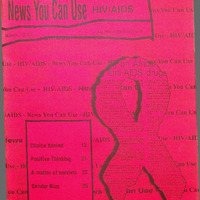
Position: 4237 (2 views)